
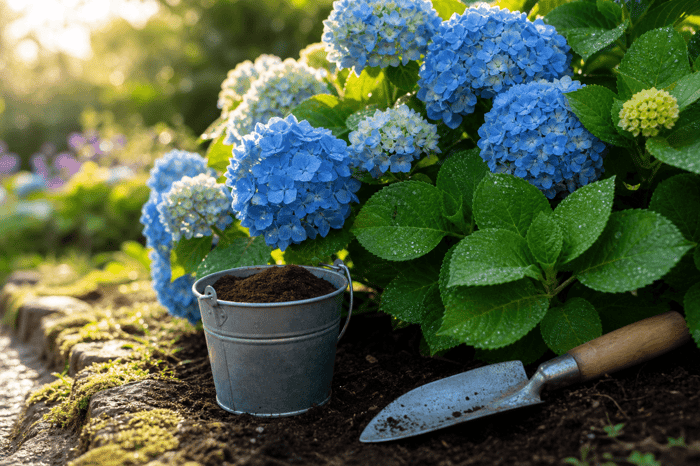

Yes, used coffee grounds can benefit hydrangeas. They can contribute organic matter, provide small amounts of nitrogen, and support healthy soil over time.
In this guide, you'll learn the benefits of using coffee grounds for hydrangeas, how they affect soil acidity and bloom color, and the safest ways to apply them without harming your plants.
What are the Benefits of Using Coffee Grounds for Hydrangeas?
Used coffee grounds can be a useful source of organic matter for your home garden. Before tossing those leftovers into the trash, consider how they might naturally transform your soil conditions.
These benefits help explain why many gardeners use coffee grounds in their gardens. Using natural materials like spent coffee grounds helps you build a more sustainable garden ecosystem over time.
By integrating these coffee grounds into your routine, you are taking a proactive step toward better plant health and root development.
Soil Acidity and Blue Hydrangea Blooms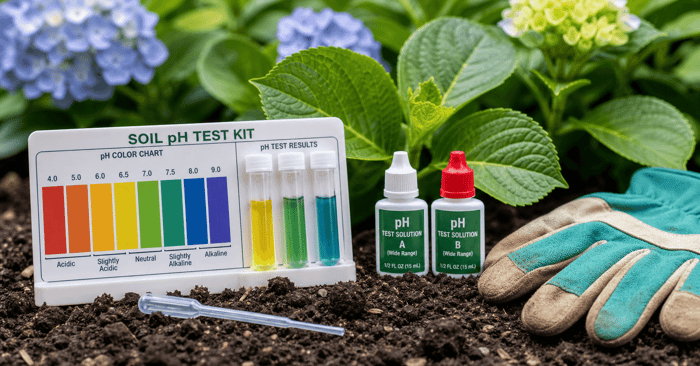
Blue hydrangeas are highly sensitive to soil pH. The acidity of your soil directly affects flower color and helps keep blue blooms from turning pink.
Used coffee grounds are only mildly acidic, making them a suitable option for plants that prefer slightly acidic soil. Fresh coffee and unbrewed grounds are considerably more acidic, while brewed grounds provide a gentler way to support soil acidity without dramatically altering pH levels.
Experts note that spent grounds enrich soil and a compost pile effectively. After brewing, they are close to a neutral pH around 6.5 to 6.8, making them a very safe addition for maintaining mildly acidic soil.
If you are dealing with alkaline soils, you might need a more robust solution to lower soil pH effectively. However, the organic material from your daily brew still provides a wonderful foundation for healthy bigleaf hydrangea shrubs and stunning blue blooms.
Achieving that picture-perfect flower color requires patience, observation, and a willingness to let nature take its course, since coffee grounds alone will not immediately change the color of hydrangea blooms.
The following factors play a role in the color change of your blue hydrangea blooms:
- Soil pH below 6.0 helps make aluminum more available to hydrangeas.
- Greater aluminum uptake can encourage blooms to develop a bluer color rather than pink flowers.
- Color changes take time and may not occur uniformly or immediately, even under favorable soil conditions.
Nitrogen and Plant Growth
Used coffee grounds contain approximately two percent nitrogen by volume. This crucial macronutrient provides vital nutrition that supports healthy foliage, strong stems, and overall plant health throughout the spring and summer season.
Because organic matter breaks down slowly, it functions as a natural slow-release fertilizer. This steady supply prevents the sharp nutrient spikes or stress often caused by synthetic fertilizers.
However, coffee grounds are not a major source of plant nutrition for your garden. They work best when combined with other essential nutrients like phosphorus and potassium to boost soil structure.
Consistent application in light doses prevents the rapid growth spurts that can leave plants vulnerable to pests. A balanced approach yields resilient plants with excellent root development that can withstand changing weather patterns.
When you provide your garden with high-quality organic matter, the results speak for themselves over the long term. Your blue hydrangeas will reward you with lush foliage that sets the perfect backdrop for their stunning blue blooms.
Organic Matter and Soil Structure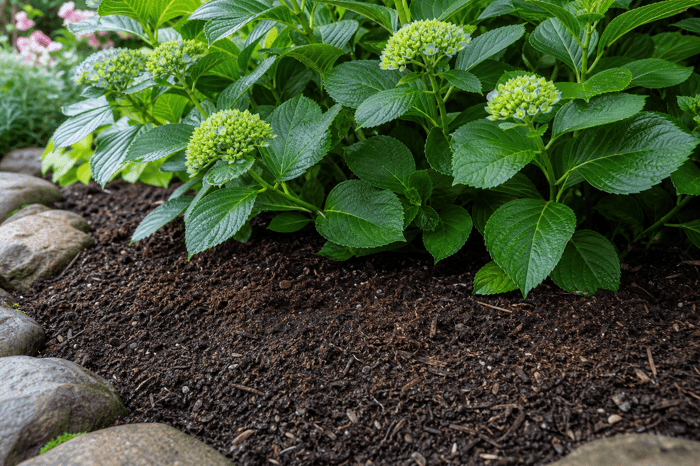
Beyond providing essential nutrients, mix coffee grounds into your garden beds to dramatically improve soil structure over the year. This sustainable practice builds up the environment from the ground level to combat compaction and improve soil aeration.
It also diverts useful waste from the local landfill, giving new life to kitchen scraps. Using coffee grounds in the garden can help support soil structure and water retention over time.
Improving your soil texture is one of the most beneficial things you can do for root development. Well-aerated soil allows roots to stretch deep and access underground moisture during dry spells.
Healthy soil is teeming with microscopic life that works around the clock to support your garden. By adding organic materials such as coffee grounds, you can help support beneficial soil organisms.
The difference between compacted soil and rich, loamy earth often comes down to consistent care. Here are some of the ways organic materials like coffee grounds can support healthy soil and hydrangea growth:
- Enhanced drainage and water retention capabilities for heavy clay soils that hold too much moisture.
- Increased beneficial microbial activity for nutrient-dense soil.
- More inviting environment for earthworms to aerate roots naturally.
Potential Pest Deterrence
Experienced gardeners find that reusing coffee grounds in the garden can help create a physical barrier around their plants. This coarse soil texture may help deter slugs, ants, and certain soft-bodied pests from ruining your big leaf shrubs and hydrangea blooms.
Applying a thin layer of spent coffee grounds may help discourage certain pests in some gardens. Just remember to reapply the barrier after heavy rainstorms wash the protective thin layer away.
Some gardeners believe residual compounds in coffee grounds may help discourage certain pests, although evidence is mixed.
Whether this is true or simply a result of the gritty texture of the soil, the added layer of defense makes coffee grounds a potential pest control tool in some gardens.
How to Use Coffee Grounds on Blue Hydrangeas?
Used coffee grounds can support soil health when applied correctly. The key is moderation. While they add organic matter and small amounts of nitrogen, they do not significantly lower soil pH on their own. Follow these steps to use them safely around hydrangeas.
1. Use Coffee Grounds in Moderation
Applying too many coffee grounds is the most common mistake. Treat them as a soil amendment, not a primary fertilizer or substitute for aluminum sulfate.
Spread no more than a ¼-inch layer around plants and test your soil pH before making adjustments. A soil test can help determine whether additional amendments, such as sulfur or aluminum sulfate, are needed.
Avoid baking soda or agricultural lime if you want to maintain acidic soil conditions for blue hydrangeas.
2. Add Coffee Grounds to Compost First
Composting is the safest way to use coffee grounds. Mix them with carbon-rich materials such as pine needles, leaves, or shredded cardboard to create balanced compost.
Keep coffee grounds below 20% of the total compost volume and turn the pile regularly for even decomposition. Finished compost provides organic matter and nutrients without the risk of surface crusting.
3. Avoid Piling Grounds Around the Plant Base
Never pile thick layers of coffee grounds around stems or crowns. Dense layers can form a water-repellent crust that limits moisture and airflow.
Instead, sprinkle a thin layer around the drip line and lightly work it into the top inch of soil. Reapply every few weeks during the growing season if desired.
With the right approach, used coffee grounds can become a valuable part of your hydrangea care routine instead of another item headed for the trash. Rather than reusing coffee grounds for brewing, which typically produces a weak and less flavorful cup, many gardeners prefer putting them to work in the garden instead.
After enjoying your morning cup, you can put those grounds to work by supporting soil health, enriching your compost pile, and helping create better growing conditions for blue hydrangeas.
If you're looking for more ways to make the most of every brew, starting with high-quality coffee is a great place to begin.
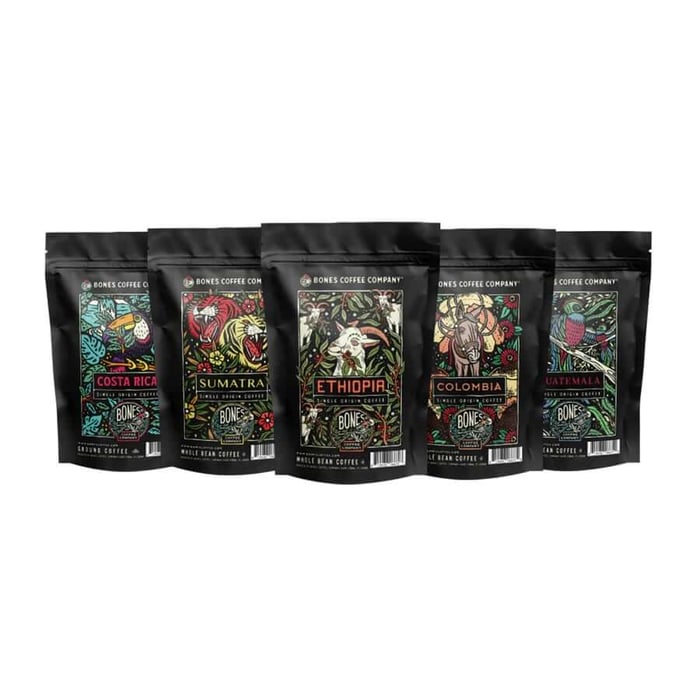 | Single-origin Sample Pack Single-origin Sample Pack lets you taste five bold, small-batch single origins from Sumatra, Costa Rica, Colombia, Ethiopia, and Guatemala. All roasted to unlock crazy-good flavor. |
Make the Most of Your Used Coffee Grounds
Are coffee grounds good for hydrangeas? Yes, when applied in moderation. Used coffee grounds can be a helpful addition to hydrangea care. While they will not dramatically lower soil pH on their own, they can add organic matter, support soil health, and help create the conditions that blue hydrangeas prefer.
If you are already repurposing coffee grounds in the garden, it is worth starting with a great cup of coffee. Bones Coffee Company sources ethically grown beans and roasts them in small batches to bring out bold, distinctive flavors. Explore our selection of dark roast, medium roast, and light roast coffee to discover your next favorite brew.