
When it comes to sustained alertness, coffee outperforms energy drinks by giving a smoother, longer-lasting boost. Check out this data-packed showdown on coffee vs energy drinks, proving why your next pick-me-up should come from real coffee rather than a sugary energy drink.
What Are the Health Benefits of Drinking Coffee?
Unlike most energy drinks, traditional coffee drinks provide a massive advantage for your daily productivity. A cup of coffee gives you more energy and eliminates brain fog without relying on synthetic sweeteners or added sugar.
Other health benefits of coffee include:
- Antioxidant Boost: Natural antioxidants found in black coffee may help protect cells while you power through your daily tasks.
- Enhance Physical Performance: Coffee helps us to function by improving energy levels, making it easier to stay active and productive.
- Metabolism Support: Coffee may help support metabolic activity and overall energy balance.
How Much Caffeine Is in Coffee vs Energy Drinks?
Many people assume that many energy drinks like Red Bull hold the absolute monopoly on high-voltage alertness. However, a simple breakdown of the ingredients reveals that coffee easily goes toe-to-toe with the loudest, most colorful cans of any energy drink.
A typical 16-ounce energy drink usually contains 160 mg of caffeine. Meanwhile, a similar-sized coffeehouse cup of coffee has approximately 330 milligrams of caffeine content.
Two standard mugs of black coffee will slide comfortably under that caffeine ceiling while delivering maximum alertness, unlike an unpredictable energy drink.
Hot coffee is typically sipped gradually, while a high-caffeine 16-oz energy drink is often chugged rapidly; however, caffeine absorption and peak blood levels are similar for both despite differences in consumption rate or temperature, though energy drinks may cause amplified jitters from additives like sugar or taurine rather than caffeine pharmacokinetics alone.
So how much caffeine is in both drinks? This table compares caffeine content in coffee and energy drinks:
Beverage | Typical Serving | mg of caffeine |
|---|---|---|
8 oz drip brew | 8 oz | 95 mg |
Cold Brew Can | 12 oz | 200 mg |
Leading Energy Drink | 16 oz | 160 mg |
Extra Strength Shot | 2 oz | 200 mg |
Key Insight: If new to caffeine, start with low doses and increase slowly to minimize side effects like jitteriness or sleep disturbances, as tolerance to its effects develops quickly within days to weeks. |
Does High Sugar Content in Energy Drinks Affect Focus?
If you have ever experienced the dreaded afternoon slump, the sheer amount of sugar in your energy drink is likely the culprit. One 16-ounce energy drink supplies 210 calories and 47 grams of added sugar, potentially contributing to weight gain, heart disease, and other health problems.
The American Heart Association recommends limiting added sugar to avoid negative effects. Consuming energy drinks can easily blow past your entire daily sugar allowance before lunch, making coffee a healthier choice. Even so-called sugar-free energy drinks still rely on synthetic sweeteners and stimulant blends that many consumers prefer to avoid.
Energy drinks high in sugar can cause a rapid spike in blood sugar, triggering insulin release, though caffeine may impair insulin sensitivity; while they provide an initial energy boost, subsequent blood sugar fluctuations or dehydration may lead to fatigue in some people, particularly those with diabetes.
Plain black coffee and unsweetened instant coffee contain negligible sugar, making them lower-sugar beverage options compared to many energy drinks and sweetened coffee products. However, some commercial instant coffee products may contain added sugars, so checking labels is important for those monitoring sugar intake.
Warning/Important: Energy drinks contain taurine and B vitamins along with high caffeine, which collectively can acutely increase blood pressure, primarily due to caffeine's stimulant effects and the exacerbated cardiovascular response when caffeine and taurine are combined. |
What Are the Main Ingredients in Coffee and Energy Drinks?
Take a glance at the back of any energy drink, and the ingredients label often reads like a neon chemistry set. Inside an energy drink, you will find a cocktail of taurine, B vitamins, and artificial ingredients.
Some energy drink brands like Red Bull add artificial sweeteners to appear as a healthier choice than coffee; these energy drink ingredients and negative effects can cause jitters and crashes.
To avoid the effects of these energy drink ingredients, many professionals are seeking plain coffee that is packed with health benefits. Instead of relying on ginseng or additives, contrast that chaotic energy drink with the beautiful simplicity of bold dark roast coffee.
Coffee drinks contain chlorogenic acids that may help reduce oxidative stress. Coffee is a simpler, smarter pick-me-up than any energy drink.
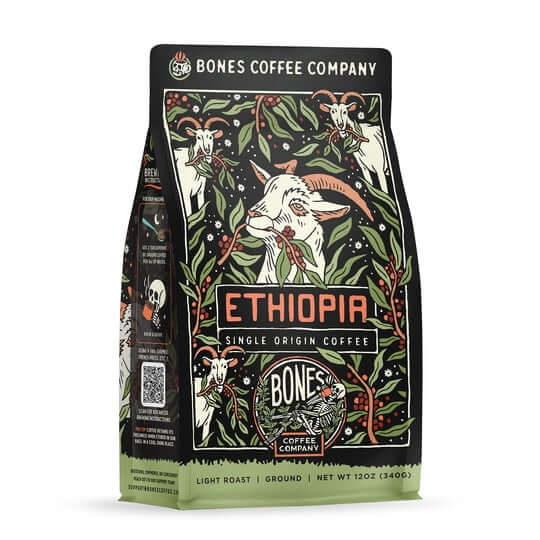
Why Does Fresh Coffee Offer Amazing Natural Flavors?
Imagine the warm aroma wafting from your cup of coffee. As a reliable pick-me-up, the natural flavor palette of coffee is incredibly vast. You get a fantastic buzz and alertness, experiencing these dynamic profiles without dumping heavy syrups or added sugar into your coffee, unlike the high sugar content found in an energy drink.
Premium coffee roasters elevate this coffee experience by making small batches. This process guarantees ethical sourcing and locks in peak freshness and antioxidants. Whether your lifestyle demands whole coffee or grounds, you get dessert-level excitement minus the candy shop sugar and calories of a sugar-loaded energy drink.
Did You Know: The American Pregnancy Association advises that pregnant women limit their caffeine intake to a maximum of 200 mg per day. |
Why Should You Choose Roasted Coffee Beans?
Making the switch to roasted coffee beans will transform your daily habits. Choosing plain coffee is the smartest move for sustained energy, along with numerous health benefits. Turn every focus session into a flavor adventure and experience seriously good quality plain coffee over a standard energy drink.
- Unmatched Variety: Enjoy dozens of zero-added sugar coffee options that taste incredible, acting as a perfect pick-me-up without the energy drink sugar crash.
- Peak Freshness: Every coffee batch is roasted to ensure maximum flavor, preserving natural antioxidants better than any energy drink.
- Total Flexibility: Take advantage of flexible coffee subscriptions that allow you to swap flavors anytime, saving you money over buying a daily energy drink.
Final Verdict on Coffee vs Energy Drinks
A simple cup of coffee delivers the same energizing caffeine content as most energy drinks, completely without the sugar crash. When you factor in the antioxidants, pure ingredients, and lack of artificial sweeteners, black coffee clearly outclasses an energy drink.
It is time to ditch the artificial energy drink and taste real magic with more energy from coffee. Upgrade your daily routine with our premium coffees and enjoy a smarter, cleaner boost.