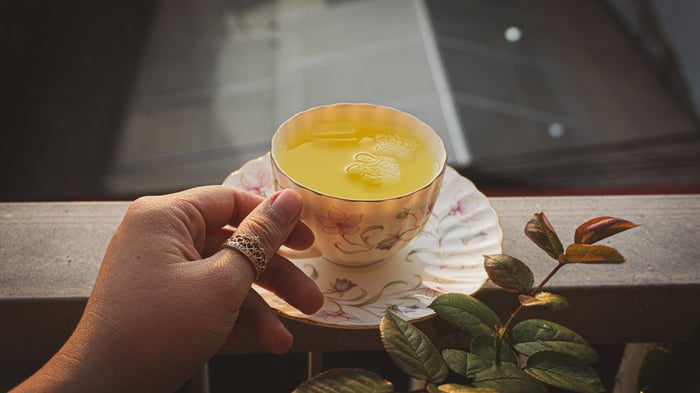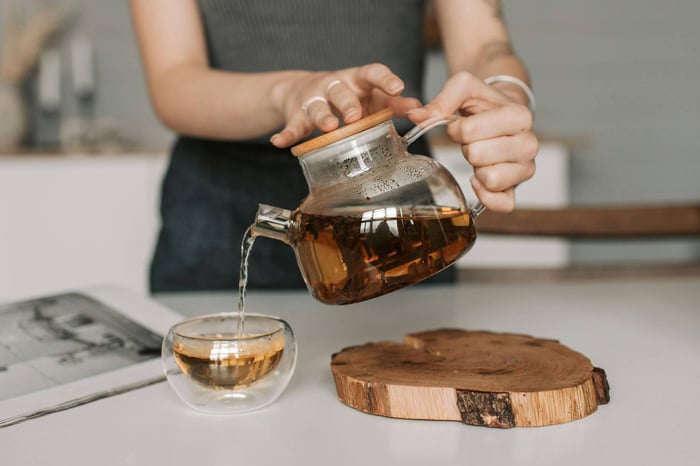


Yes, a standard 8-ounce cup of traditional masala chai contains roughly 30 to 70 milligrams of caffeine. While this chai tea sits lower on the energy scale than a standard cup of coffee, it remains enough to disrupt your sleep cycle if consumed late in the afternoon.
Let us break down exactly how much caffeine fuels this spicy brew and learn how to sip a cup of chai smarter without sacrificing flavor.
What Exactly Is Chai Tea?
Masala chai is a traditional Indian chai tea beverage crafted by brewing robust black tea with a warming blend of aromatic spices.
Originating in India centuries ago, this spiced tea uses sensory-rich ingredients like cardamom, cinnamon, ginger, black pepper, and cloves, each offering its own health benefits, and is blended with creamy milk to create a flavorful chai latte.
Today, that cardamom-kissed steam is a global staple, offering a deeply comforting alternative for anyone looking to step away from ordinary beverages.
Scientific data confirms that caffeine, a purine alkaloid, is a major secondary metabolite natively found in loose-leaf tea. This caffeine content provides a natural, sustained energy lift without the extreme jitters.
How Much Caffeine Is in Chai Tea?
Does chai tea have caffeine? A basic cup of brewed black chai tea offers about 30 to 70 mg of caffeine. Depending on brewing methods, a traditional steeped cup may fall within a narrower range.
Keep in mind that these caffeine levels apply to a modest 8-ounce pour, which is much smaller than modern cafe servings. Your average coffee shop chai latte mug easily hits 12 or even 16 ounces, meaning the caffeine content climbs rapidly with every extra gulp of your cup of chai.
Furthermore, caffeine remains perfectly stable during the processing of general chai tea, ensuring a consistent dose.
1. Chai Tea Cultivar Seasons
Younger tea leaves naturally harbor more caffeine to protect themselves from the elements. This means early harvest flushes will yield a significantly stronger chai tea with a higher caffeine content.
2. Crushed Leaf Grade for Chai Tea
Crushed, torn, and curled black chai tea releases caffeine much faster than whole leaves. Fine fragments provide more surface area for the rapid extraction of caffeine in chai.
3. Steep Time Temperature for Chai Tea
Hotter water and longer steeping times extract significantly more caffeine into your final cup of chai tea. Modifying your steep time easily manipulates the total caffeine content and amount of caffeine.
4. Chai Tea Latte Milk Dilution Ratios
Adding milk to traditional chai tea means less room for caffeinated tea concentrate, lowering the overall buzz. As a result, a creamy chai latte delivers a milder, more moderate energy boost than stronger caffeinated drinks.
Whether you choose steamed milk or skim milk, both options create a smoother, more balanced beverage.
5. Traditional Spices
Cinnamon, ginger, black pepper, and nutmeg add flavor without contributing any caffeine, making herbal chai blends naturally caffeine-free. These chai spices enhance the sensory experience without affecting caffeine levels.

Why Does Chai from Coffee Shops Pack More Caffeine?
When you order a chai latte at a coffee shop, you are usually getting a drink made from a commercial chai tea concentrate rather than freshly steeped chai tea leaves.
These liquid chai concentrate options are incredibly dense, often pushing the caffeine content to between 30 and 50 mg per serving.
The real caffeine kick happens when you order a dirty chai latte, which adds a bold espresso shot to the chai tea concentrate mix. This addition quickly catapults the caffeine in chai up to 100 to 150 mg per serving, creating a potent morning stimulant. Extra shots increase it even further, turning a smooth chai into a more intense, high-caffeine drink.
Always ask your local barista about the chai concentrate base ingredients to avoid an unexpected energy spike and caffeine jitters.
Where Does Chai Tea Fall on the Caffeine Scale?
If you are exploring different energy sources, it helps to see how much caffeine your favorite beverages truly contain.
Traditional chai tea sits comfortably in the mellow middle zone of the caffeine spectrum, delivering moderate caffeine with a warming finish. It’s strong enough to get you moving on a slow morning, but noticeably less aggressive than a standard drip roast made from dark roast coffee.
Researchers have compared caffeine in chai tea and coffee, showing that differences largely come from brewing methods and steeping time. Understanding these variations can help you enjoy drinking tea without overdoing your caffeine intake.
Understanding these variations helps you optimize your daily chai tea consumption to avoid consuming too much caffeine.
Beverage (8 ounce pour) | Caffeine Content Range |
|---|---|
Chai Tea | 30 to 70 mg |
Single Espresso (1 oz) | 63 mg |
Drip Coffee | 95 mg |
If you want to compare these numbers more broadly, check out our article on caffeine in tea vs. coffee to explore how your favorite beverages stack up and make smarter choices for your daily energy.

How Do You Brew a Lower-Caffeine Chai?
If you love drinking chai tea but want to dodge the evening jitters, there are several easy adjustments to make. You can quickly customize your cup to keep the aromatic magic alive without suffering the heavy buzz of too much caffeine.
Nutritionists recommend minor temperature and timing tweaks for immediate lower caffeine content results in your chai tea.
1. Pull Shorter Steeps for Chai Tea
Pull your chai tea bag or infuser after just 2 minutes instead of 5. This extracts the initial aromatics while leaving a heavily caffeinated dose behind, resulting in a delicious cup with lower caffeine content.
2. Use Cooler Water for Traditional Chai
Brew your chai tea with water slightly below a rolling boil to reduce caffeine. Lower temperatures naturally slow caffeine extraction, resulting in a milder cup.
3. Use Herbal Chai Blends
Try blending your own herbal chai by combining half black chai tea with half naturally caffeine-free rooibos. This spiced tea mix delivers the classic masala chai flavor with slightly less caffeine content.
4. Choose Decaf Chai Tea Bases
Use decaf black chai tea combined with chai spices for full flavor and minimal buzz. This guarantees a sleepy-time herbal chai beverage without compromising on the authentic chai tea taste, essentially making it completely caffeine-free.
Ready to Sip Your Chai Latte Smarter?
Does chai tea have caffeine? Yes, but by adjusting the steep time of loose leaf tea, water temperature, or choosing herbal or decaf blends, you can enjoy this flavorful beverage without overdoing it.
Once you’ve mastered the perfect cup of chai, it’s time to explore the world of coffee. Our sampler packs let you taste a variety of rich and balanced coffees, ideal for starting your day or discovering something new.
From bold roasts to smooth blends, these carefully curated packs let you experience the full range of flavors in every cup. Discover your favorite coffee today and elevate your mornings.