
How long do coffee beans last? Freshly roasted coffee beans last 1-3 weeks at room temperature, while green beans can last over a year.
But fear not! Understanding the timeline and mastering a few key coffee storage secrets means you can brew with passion and never suffer through stale beans again. Let's dive into the science of keeping your fresh coffee at its peak.
Understanding Coffee Whole Bean Shelf Life
The term "shelf life" changes dramatically depending on the state of your coffee. Freshly roasted coffee beans begin to lose freshness almost immediately after roasting. Try to buy smaller batches more frequently, enough for one or two weeks.
Green Coffee Beans
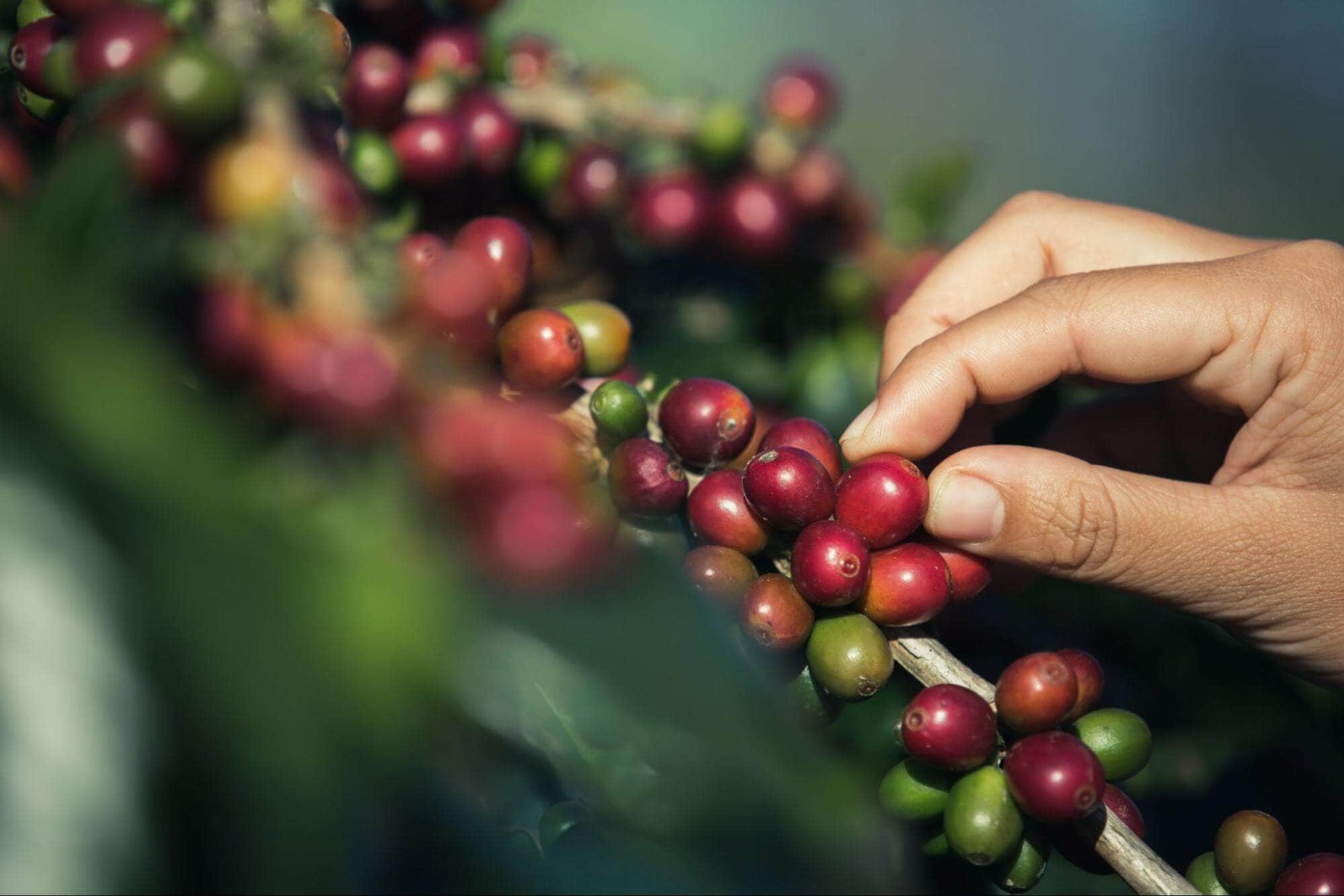
In their unroasted state, green coffee beans are remarkably stable. With their higher moisture content and unexposed oils, they can last for a year or more when stored in cool, dark conditions.
This raw bean form is ideal for long-term coffee storage, making it perfect for the home roaster. This means you can stock up without a huge rush.
Roasted Coffee Beans
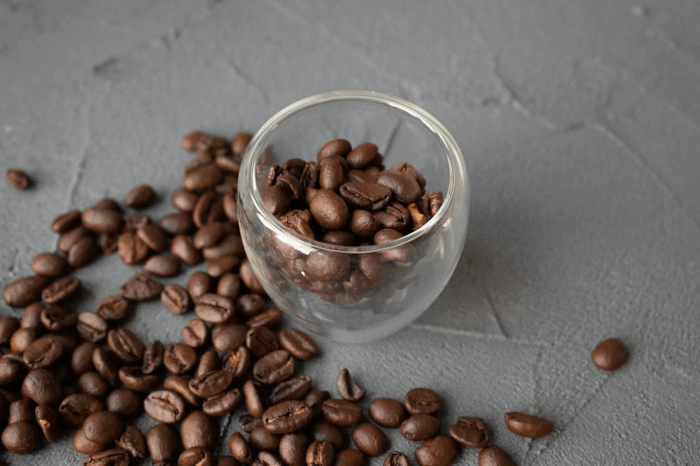
This is where things get serious for most coffee drinkers. The peak flavor window for freshly roasted coffee beans is typically after roasting, but the ideal range is much shorter.
Freshly roasted coffee beans at room temperature last 1–3 weeks. Once the freshness clock starts ticking after roasting, you're in a race against time to capture the optimal flavor that makes great coffee truly exceptional.
Ground Coffee Beans
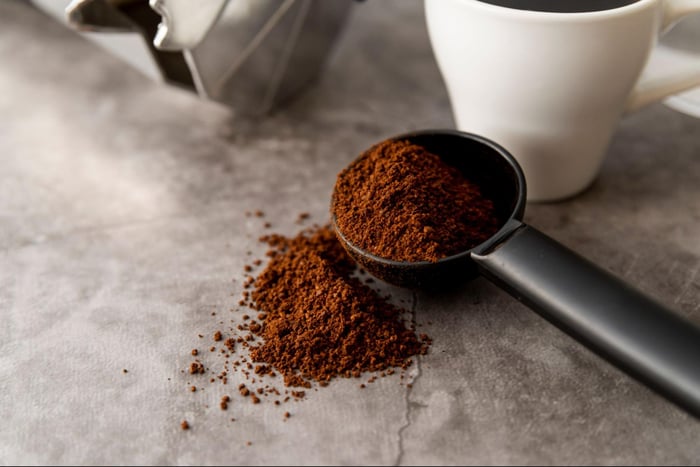
The moment you grind coffee, you dramatically increase its surface area, exposing all those precious aromatic compounds to oxygen. The flavor loss is immediate and rapid. This is why our number one tip is always to grind whole beans right before you brew.
We recommend letting freshly roasted beans rest for 2 to 7 days after the roast date. This process, called degassing, allows excess CO₂ to escape. This mellows any harsh notes and lets the bean's true flavor profile fully develop for a smoother, more balanced cup.
Key Insight: Pre-ground coffee has a higher surface area, causing flavor to degrade in minutes, not days. This is why grinding right before brewing is non-negotiable. |
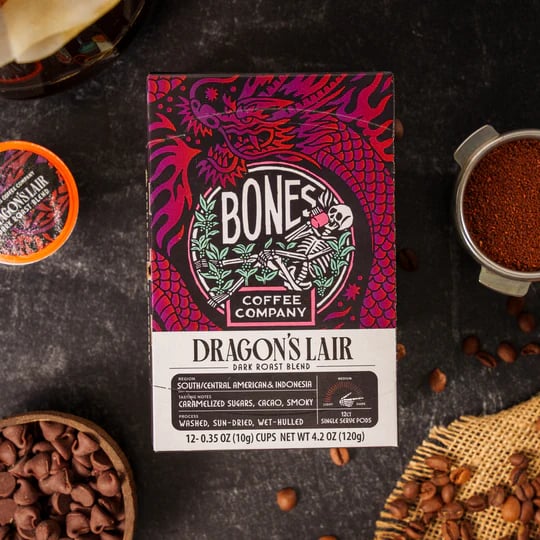 | 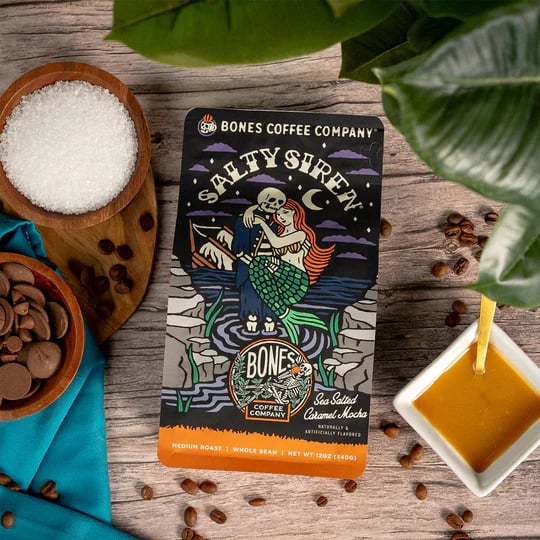 |
|
|
What Makes Coffee Go Stale?
To win the war against stale coffee beans, you must know your enemy. Four primary forces are constantly working to rob your beans of their delicious potential. Understanding how stale coffee beans come about is the key to creating a successful defense strategy.
- Air: Oxygen is the arch-nemesis of coffee freshness. Through a process called oxidation, it breaks down the delicate oils and aromatic compounds in roasted beans, making the flavor flat and woody.
- Light: Those beautiful, dark roasts might look great in a clear glass jar on a sunny countertop, but it's a death sentence for flavor. UV rays actively break down the complex compounds that give coffee its nuanced taste and aroma.
- Heat: Heat is an accelerator that speeds up every chemical reaction, including oxidation. Storing beans near an oven or in a warm spot is a fast track to staleness.
- Moisture: Ground coffee beans are porous and will readily absorb moisture and odors from their environment. This not only dulls the flavor but can also encourage mold growth. It’s especially damaging for our salted caramel coffee, turning it into a muddled, disappointing brew.
Freshly roasted beans release CO₂ for days. While this gas creates the beautiful crema on espresso, it can interfere with storage conditions by pushing out air. This is why a one-way valve bag is ideal, as it lets CO₂ escape without letting oxygen in.
Warning/Important: Storing beans in a clear jar on your countertop is coffee’s worst-case scenario. This common practice exposes them to all primary foes: air, light, and heat simultaneously. |
Packaging Methods & Their Impact on Shelf Life
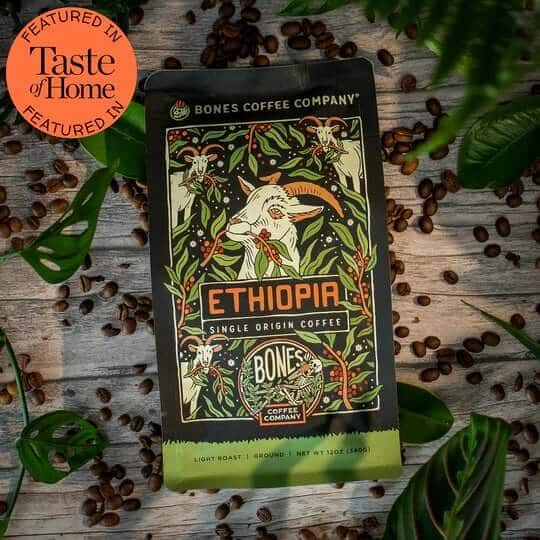
The bag your coffee arrives in is its first line of defense. Not all packaging is created equal. From basic paper bags to high-tech pouches and even coffee pods, the container plays a huge role in preserving those precious roasted notes from our roastery to your cup.
While sustainability is important, there's often a trade-off. Thinner, more compostable liners may not offer the same level of oxygen and light barrier as multi-layer, foil-lined bags. We believe protecting the flavor adventure inside is paramount.
Pro Tip: Always prioritize the "roasted on" date over a "best by" date. The roast date is your true starting line for peak flavor and coffee freshness. |
Storage Tips for Coffee Beans
Are you still wondering how long do coffee beans last? How you store coffee beans can extend their peak flavor for weeks. It’s simpler than you think and makes a world of difference in your daily brew.
Choosing the Right Airtight Container
Your ideal coffee container should be a fortress against the elements. The ultimate checklist for a container is simple: it must be an airtight and opaque container, and ideally have a one-way valve to let CO₂ out without letting oxygen in.
Storage Tips for Coffee Beans
Are you still wondering how long do coffee beans last? How you store coffee beans can extend their peak flavor for weeks. It’s simpler than you think and makes a world of difference in your daily brew.
Choosing the Right Airtight Container
Your ideal coffee container should be a fortress against the elements. The ultimate checklist for a container is simple: it must be an airtight and opaque container, and ideally have a one-way valve to let CO₂ out without letting oxygen in.
Container Type | Pros | Cons |
|---|---|---|
Airtight Container | Excellent seal, often opaque. | Traps that degass CO₂ can be expensive. |
Mason Jar | Good seal, readily available. | Clear glass exposes beans to light. |
Bones’ Resealable Bag | Airtight, opaque, and has a one-way bag. | Less rigid than a canister. |
Picking the Ideal Location
Where you store your container is just as important as the container itself. Think of your coffee beans like vampires; they thrive when kept in a cool, dark, and dry place. The best spot is a pantry or cupboard away from any heat sources like the oven or dishwasher.
- Best: A dark pantry.
- Good: A kitchen cupboard away from the stove.
- Worst: On the countertop, especially in a clear jar.
Should You Refrigerate or Freeze Coffee Beans?
Picking the Ideal Location
Where you store your container is just as important as the container itself. Think of your coffee beans like vampires; they thrive when kept in a cool, dark, and dry place. The best spot is a pantry or cupboard away from any heat sources like the oven or dishwasher.
- Best: A dark pantry.
- Good: A kitchen cupboard away from the stove.
- Worst: On the countertop, especially in a clear jar.
Should You Refrigerate or Freeze Coffee Beans?
This is a hot-button issue in the coffee community. The refrigerator is a definite no-go. The cool, moist environment is a recipe for condensation, which will ruin your beans and expose them to all the savory odors lurking in your fridge.
The freezer, however, can be a useful tool for long-term storage, keeping whole bean coffee for 3-5 months, and significantly extending its shelf life. The key is to do it right to avoid freezer burn and moisture damage.
Taste Fresher Coffee From Roast to Cup
So, how long do coffee beans last? The clock starts ticking the moment beans are roasted, which is why choosing a roaster who prioritizes freshness makes all the difference. At Bones Coffee Company, we roast in small batches to lock in maximum flavor from our roastery to your cup.
Ready to taste the difference fresh, properly stored coffee makes? Browse our collection of unique, expertly roasted flavors and experience what coffee is truly meant to taste like.