
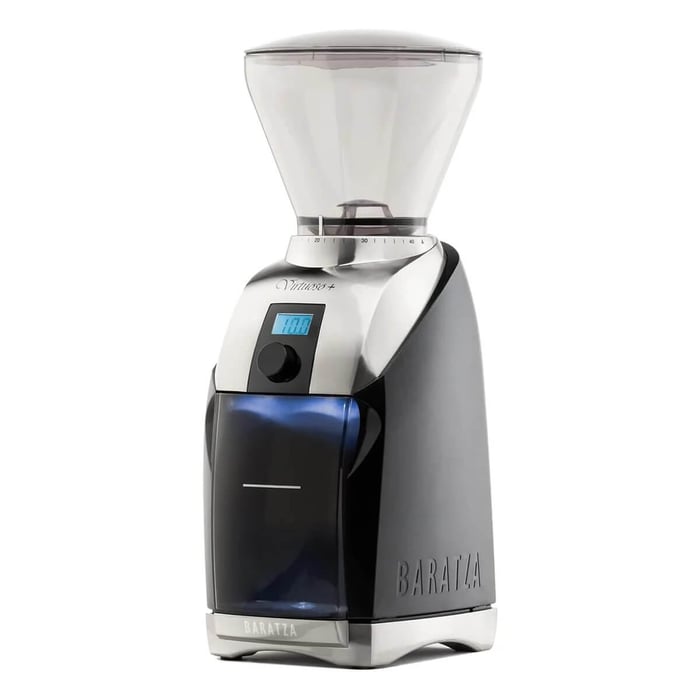

Your grinder could be sabotaging every cup with stale grime and old oils that ruin the taste before water even hits the ground coffee. To clean a coffee grinder:
- Unplug and empty the grinder.
- Remove loose grounds and debris.
- Brush burrs or the blade chamber thoroughly.
- Wipe all surfaces with a microfiber cloth.
- Clean removable parts separately.
- Reassemble and run a purge grind.
This guide explains the entire process in depth, covering exactly what tools you need and which mistakes to avoid so your grinder and coffee stay clean.
Why Should You Clean Your Grinder for Coffee Beans?
Every single coffee bean carries natural oils, and those rich fats do not just disappear after the grind. They coat the inside of your grinder, clinging to the chamber walls, the upper burr or blade, and the output chute. Over time, those fats go rancid, creating a bitter taste that seeps into every batch and encourages bacterial growth.
Dull cutting edges and gummed-up blade chambers reduce grind consistency, increase grind retention, and lead to uneven extraction, resulting in inconsistent ground coffee each morning.
Regular maintenance preserves both the lifespan of your unit and helps you to grind coffee beans the right way. Here is what is quietly happening inside a neglected grinder system.
- Rancid oil coating: Old coffee oils cling to every surface and taint your fresh grounds on contact.
- Ground compaction: Old particles pack into small corners, restricting airflow and internal movement.
- Flavor cross-contamination: Yesterday's heavy dark roast hijacks the bright notes of today's morning brew.
- Reduced burr sharpness: Thick Buildup accelerates wear and dulls the cutting surfaces over time.
- Grind inconsistency: The stubborn buildup disrupts the uniformity that makes a smooth extraction entirely possible.
What Tools are Needed?
You do not need an extensive tool kit to get the job done right. Avoid using canned compressed air tools; just gather the following household basics:
- Soft-bristle brush dedicated to the grinder parts only, never the dish sink brush.
- Dry microfiber cloth or rag used for wiping surfaces.
- Mild dish soap, strictly meant for removable, non-electrical parts like lids and the hopper.
- Small vacuum to remove loose particles. Flathead screwdriver to lift the upper burr (if needed).
- A toothpick or wooden skewer for getting deeply into tight crevices and hidden chute corners.
- Grinder cleaning tablets for monthly burr deep cleans.
One hard rule to follow is that water anywhere near the electrical components is a firm no. You should only wipe, brush, and dry-clean anything connected to the main power motor.
Save the bubbly soap strictly for the machine parts that fully detach from the base unit. This ensures you never accidentally short out your equipment.
How Do You Actually Clean a Coffee Grinder?
This is where it all comes together. The exact approach differs slightly depending on your grinder model. Pay attention to these steps:
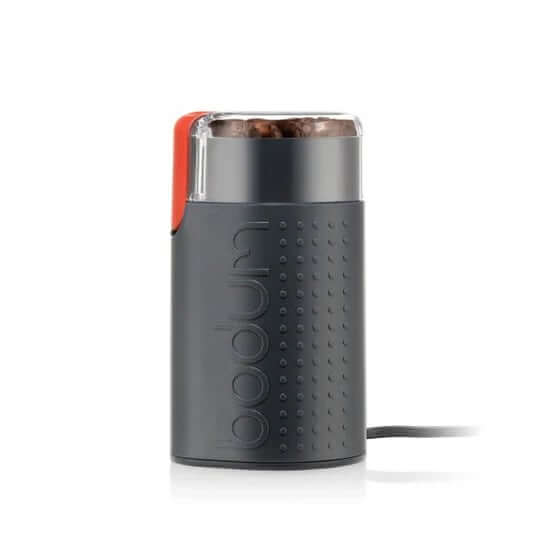
How to Clean a Blade Grinder
Blade grinders are easy and fast to clean. Stay consistent with it, and your grinder will stay in rock-solid shape for years to come.
- Unplug it first to guarantee safety before putting your hands near the sharp blade.
- Empty the chamber completely into a trash bin to remove the bulk of loose particles.
- Brush out the chamber carefully around the metal blade using your soft brush.
- Wipe down the interior with a damp microfiber cloth to lift remaining old coffee oils.
- Clean the lid with soap only if fully removable and air-dry it completely before reattaching.
- Reassemble and run a quick test grind using fresh coffee beans to clear any remaining debris.
Think of this routine as a quick refresh for busy mornings. A clean blade grinder definitely means cleaner taste and equipment that holds up longer.
Avoid blowing canned compressed air into the chamber, which just redistributes the dust mess somewhere harder to reach.
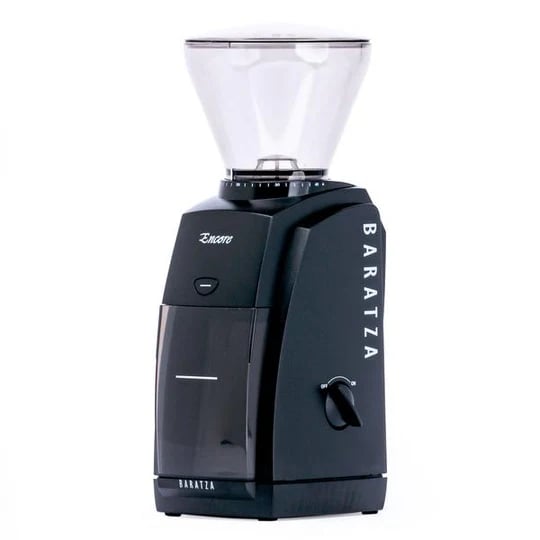
How to Clean a Burr Grinder
Burr grinders deliver the most consistent grind on the market, and they deserve the most consistent maintenance in return. The cleaning process involves these steps:
- Unplug it by applying the same safety rule every single time.
- Remove the hopper and store any remaining whole coffee beans securely in an airtight container.
- Remove the burrs gently as per your grinder’s manual.
- Brush the burrs thoroughly to slowly work through old grounds packed within the teeth.
- Brush the inner chamber and upper burr where sticky residues pool between cleanings.
- Wipe all surfaces entirely dry with a microfiber cloth across all delicate parts.
- Optionally, run grinder cleaning tablets according to package instructions.
- Reassemble, ensuring a tight fit for proper grind consistency.
Warning/Important: Never let hot water touch your metal burrs or the grinder's electrical components. Moisture causes irreversible rust on cutting surfaces and severely damages the motor. |
What Should One Avoid When Cleaning a Coffee Grinder?
Most common coffee grinder cleaning mistakes are honest oversights, often because the process isn’t clearly explained. Here’s what to watch for to ensure you clean your grinder correctly using standard materials.
- Using hot water on electrical components destroys power motors and corrodes sensitive internal parts.
- Placing your hopper or burrs in the dishwasher warps components and voids all warranties.
- Grinding whole spices in your daily coffee machine cross-contaminates delicate brewing profiles.
- Using the wrong brush scratches the delicate burr and accelerates structural wear.
- Ignoring the chute and hopper allows thick, hidden oils to pool up between sessions.
- Washing burrs with soap can leave residue that affects the taste of your coffee.
Pulsing plain dry rice through a grinder to absorb nasty residues is a widely circulated tip, but most high-end manufacturers strongly advise against it. Rice is too hard and can chip or dull burrs over time.
Enjoy Richer Flavor With Freshly Ground Coffee
A clean coffee grinder is the quiet foundation behind every great cup. When you remove old oils, stale grounds, and hidden buildup, you restore clarity to your brew and allow your coffee beans to express their full flavor potential. The process is simple, but the impact on taste, consistency, and even your grinder’s lifespan is significant.
If you’re ready to take your coffee setup even further, explore our range of high-quality brewing equipment and upgrade your daily brew today. We also offer coffee sample packs to help you find the best beans so you can start brewing with confidence.