When the sun is blazing, and you crave a cool, caffeinated rescue, the menu presents a classic choice: iced latte or iced coffee? Iced coffee is brewed coffee served cold, while an iced latte is espresso mixed with cold milk for a smooth, creamier drink.
According to the National Association of Convenience Stores (NACS), the appeal is so strong that 87% of survey respondents drink iced coffee even without needing the caffeine.
We’re here to demystify the menu, break down the key differences, and even show you how to master both at home. Whether you prefer a pure coffee experience or a drink with added milk, we've got you covered.
What is Iced Coffee?
At its heart, iced coffee is exactly what it sounds like. Regular coffee that has been cooled down and served over ice. It’s the quintessential cold coffee experience, maintaining the familiar flavor profile of your favorite French press or pour-over coffee, just chilled.
The goal is to deliver that classic regular coffee taste, bright, nuanced, and refreshing, without the heat. It’s a straightforward drink that puts the character of the coffee bean front and center.
The three different brewing paths of iced coffee include:
- Flash-Brew (Japanese Style): Brew hot coffee with a French press directly over ice.
- Hot-Brew-Then-Chill: Brew a strong batch of coffee made with hot water and refrigerate it.
- Cold-Brew Concentrate: Steep coarse grounds in cold water for 12-24 hours.
Regular iced coffee generally has a lighter body and a crisper mouthfeel compared to its milky counterpart. The flavor is direct and potent, showcasing the coffee bean's origin notes.
Because it’s less diluted by milk, you get an unadulterated coffee experience that can be bright, tangy, and slightly sweet, in a good way.
What is an Iced Latte?
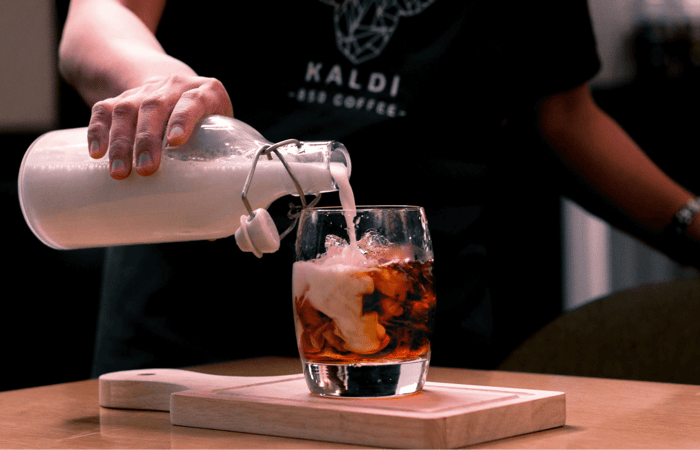
An iced latte is a milk-forward beverage built on a foundation of espresso. Unlike iced coffee, which uses brewed coffee, a latte demands the intense, concentrated flavor of one or more espresso shots.
The classic formula is a harmonious blend of espresso, cold milk, and ice, creating a creamy, dreamy, and perfectly balanced drink with a much higher milk content. Popular coffee shop variations include options with almond milk, condensed milk, or steamed milk, or other alternative milks.
The defining characteristic of an iced latte is its smooth, creamy texture. The cold milk acts as a beautiful buffer, mellowing the sharp intensity of the espresso and adding a slightly sweet flavor.
Key Insight: An iced latte is fundamentally brewed coffee with steamed milk or cold milk. The added milk is designed to soften and complement a strong espresso shot. |
Coffee vs Iced Latte
Still fuzzy on the details? Here’s a side-by-side breakdown of coffee vs iced latte to settle the score once and for all.
Feature | Iced Coffee | Iced Latte |
|---|---|---|
Ingredients | Brewed Coffee, Ice, (Optional: Milk/Sweetener) | Espresso, Cold milk, Ice, (Optional: whipped cream, or syrup) |
Preparation | Brewed with cold or hot water, then chilled. | An espresso shot poured over ice and milk. |
Ratio | High coffee-to-milk ratio (or no milk). | Low coffee-to-milk ratio (milk-dominant). |
Flavor Notes | Bright, acidic, showcases bean origin. | Mellow, sweet, milk-forward with an espresso punch. |
Taste & Flavor Breakdown
Iced Coffee Palette
The flavor profile of a great iced coffee is a direct reflection of its beans and where they were grown. You might taste bright, citrusy notes from an African bean or deep, nutty flavors from a South American one. Served black, it’s a drink with sparkle and acidity, offering a clean and unadulterated coffee taste.
When comparing coffee vs iced latte, the pure brewed coffee taste stands out with its bold character. Ask any coffee shop barista, and they'll tell you that some blends are naturally slightly sweet with fruity undertones.
Iced Latte Palette
An iced latte is a playground of flavor harmony where the milk’s natural sweetness softens the espresso's intensity. The rich, dark notes of the espresso, caramel, chocolate, and roasted nuts are present but wrapped in a creamy blanket.
Even the way you drink it matters; a study in the Journal of Sensory Studies found that consumer experience can vary with drinking conditions like the type of lid or straw used.
Flavor Tweaks
The easiest way to customize either drink is by swapping components, such as using different types of cold milk alternatives, like almond milk. But the ultimate tweak is starting with flavored beans. Pulling a shot of our smores coffee for your latte infuses mind-blowing flavor at the source, no sugary syrups required.
Milk & Texture Differences
The main difference in texture comes down to the large quantity of milk that defines an iced latte. This creates a "Light vs. Lush" dynamic.
Iced coffee, which might only get a splash of milk, remains crisp and highly refreshing, while the iced latte contains much more milk and is substantial, coating your palate with a rich, smooth texture that feels more indulgent.
Caffeine Content
This is where things get tricky. Ounce for ounce, a shot of espresso is a caffeine powerhouse, packing significantly more caffeine than brewed coffee. So, espresso wins, right? Not so fast.
We don’t drink coffee by the single ounce. A standard 8-oz iced coffee drink contains about 74 mg of caffeine. An iced latte typically contains a double shot of espresso (2 oz) with the rest being milk, putting its total caffeine content at around 136 mg. The amounts are surprisingly close, with the iced latte stronger by just a slight margin.
Not all beans are created equal. At Bones Coffee Company, we label our coffees so you know what you’re getting into. From our mild decaf coffee to our bold everyday roasts and ultra-caffeinated blends, you can choose your brew based on the buzz you need.
Health & Calorie Comparison

From a purely caloric standpoint, black iced coffee is the clear winner with a negligible 2-5 calories per 12-oz serving.
An iced latte is a different story, as the whole milk is the major contributor of calories, carbs, and protein. Research from North Dakota State University shows a 16-oz. sweetened iced coffee has about 80 calories, while a 16-oz café latte contains around 190 calories.
Pro Tip: For maximum flavor with zero added sugar or calories, start with flavored coffee beans. This infuses notes like vanilla or caramel directly into your brew, no sugary syrups required. |
Find Your Perfect Iced Drink
The great debate ultimately comes down to your personal preference for texture and flavor. If you crave a crisp, refreshing, coffee-forward drink that showcases the bean, iced coffee is your hero. If you're in the mood for something creamy, smooth, and luxuriously balanced, the iced latte is calling your name.
Ready to brew the perfect iced drink at home? Explore our collection of premium flavored coffee beans and craft café-quality beverages that match your exact taste. Whether you're team iced coffee or team iced latte, start with exceptional beans and taste the Bones Coffee Shop difference.