
Is coffee gluten-free? Yes, plain black coffee, brewed from 100% pure coffee beans, is naturally gluten-free, so you can enjoy your morning cup of coffee without worry. Coffee beans are naturally safe because they are seeds from a fruit, not grains like wheat, barley, or rye.
In this guide, you’ll learn why coffee is naturally gluten-free and how to avoid hidden gluten risks in coffee shops and at home.
Which Coffees Are Best for Celiac Disease?
The FDA requires that foods labeled gluten-free contain less than 20 parts per million (ppm) of gluten. Pure coffee naturally meets this standard without special processing. For those with strict gluten-free needs, unflavored coffee is a reliable staple amongst coffee products.
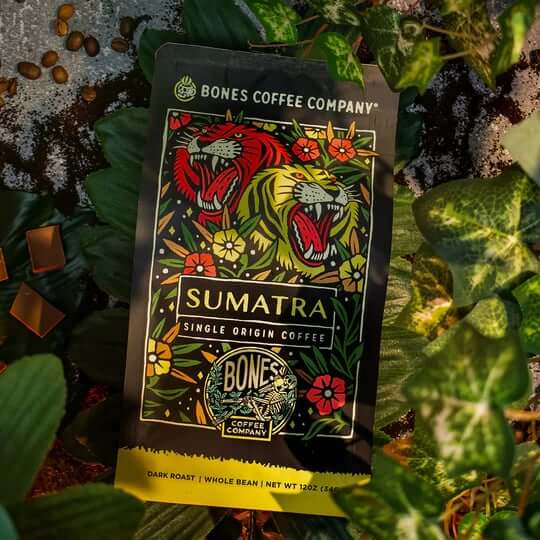
At Bones Coffee Company, we take this seriously and ensure our process protects the integrity of the coffee beans. All our flavored coffees and beans are crafted without gluten ingredients. We prioritize transparency, giving you peace of mind, and making our flavored coffee and beans a top choice for coffee lovers on a gluten-free diet.
Gluten-free coffee options fall into these categories:
- Safe: Plain black coffee, espresso, and Bones Coffee Company flavored coffee beans.
- Risky: Instant coffees with bulk fillers, which may be cross-contaminated.
- Risky: Complex lattes with mystery flavored syrups that may contain hidden wheat derivatives.
Key Insight: Even though unflavored coffee beans are naturally safe, cross-contamination from grains in shared storage facilities can lead to unintended gluten exposure, leading to celiac disease. |
Why Is Plain Brewed Coffee Naturally Gluten-Free?
To understand the safety of your brewed coffee, you have to look at the anatomy of the coffee beans. Coffee beans are actually seeds found inside the coffee cherry and are completely unrelated to gluten-containing cereal grains. Unlike barley or rye, the coffee plant produces caffeine but not the proteins that trigger a celiac reaction.
Approximately 3 million people in the United States have celiac disease. For these individuals, knowing that the roasting process of pure coffee does not introduce gluten is essential. The fruit is stripped away, and the whole beans are roasted in a way that maintains their gluten-free status, ensuring your cup of coffee is safe.
However, safety depends on the roaster maintaining a clean facility to avoid gluten cross-contamination. Cross-contamination can occur if coffee is processed on shared equipment with gluten grains.
Before you order coffee from any brand, you should always ask, “Is coffee gluten-free?” At Bones Coffee Company, we use small-batch roasting techniques with strict protocols to prevent cross-contact, keeping our coffee safe for everyone.
Coffee (Safe) | Gluten Grains (Avoid) |
|---|---|
Derived from fruit seeds (Coffea plant) | Derived from grasses (wheat, barley, and rye) |
Naturally 0 ppm gluten | High gluten content |
Safe for Celiacs | Causes an immune system reaction |
Can You Avoid Gluten Risks in Coffee Shops?
Navigating a coffee shop menu can feel like walking a tightrope. Even if the coffee is gluten-free, the environment in many coffee shops is ripe for errors. Before you order any coffee from cafes, ask the staff, “Is coffee gluten-free?” Or you can use this checklist to master your next coffee shop order:
Stick With Plain Coffee
Order brewed coffee, an Americano, or cold brew to minimize variables. These are your safest bets because they come straight from the water and coffee beans.
For severe gluten sensitivity or celiac disease, also verify or select gluten-free instant coffees, avoiding those with fillers, flavors, or unknown processing.
Ensure Oat Milk Is Gluten-Free
If you love a creamy latte or cappuccino, ask the barista to show you the oat milk carton. Look specifically for the certified gluten-free logo before ordering. If it is not certified, skip it to avoid wheat cross-contamination from the fields. Soy milk is another alternative; just confirm its gluten-free status.
Watch for Cross-Contact Risk at the Steamer Wand
Cross-contact often happens at the steamer wand in busy coffee shops. If the wand just steamed regular oat milk or soy milk with fillers, your drink is likely contaminated. Ask for a fresh pitcher and a thoroughly purged wand to avoid gluten.
How Does Cross-Contact Affect Gluten-Free Oats?
Oats are technically gluten-free, but they are notorious for being "contaminated by association." They are often grown in fields next to wheat or processed on the same equipment. This leads to significant gluten cross-contamination issues that affect sensitive individuals.
While over 99.5% of sampled food products stamped gluten-free comply with the FDA's requirement of less than 20 ppm of gluten, regular oats often fail this test due to stray wheat grains mixed in. Certified gluten-free oats, however, are grown and processed in dedicated environments to ensure they don’t contain even trace amounts of gluten.
Type | Risk Level | Best For |
|---|---|---|
Regular Oats | High (High cross-contact risk) | General public |
Certified GF Oats | Low (Strictly tested) | Celiac disease & Gluten Sensitivity |
Warning/Important: Even if a product fits your gluten-free diet today, manufacturing practices can change. Review labels occasionally to prevent unexpected gluten exposure. |
How Can You Keep Coffee Gluten-Free at Home?
You have total control in your own kitchen, but crumb cross-contact can still sneak in. If your household bakes with wheat flour, dust can settle in your coffee grinder or near your whole bean coffee supply. Keep a separate grinder for your coffee beans to avoid accidental exposure and ensure your coffee gluten free status remains intact.
Store your coffee beans or grounds in an airtight container, far away from the flour and baking mixes. Wash reusable filters and brewing equipment thoroughly to remove oils and residue that could harbor gluten.
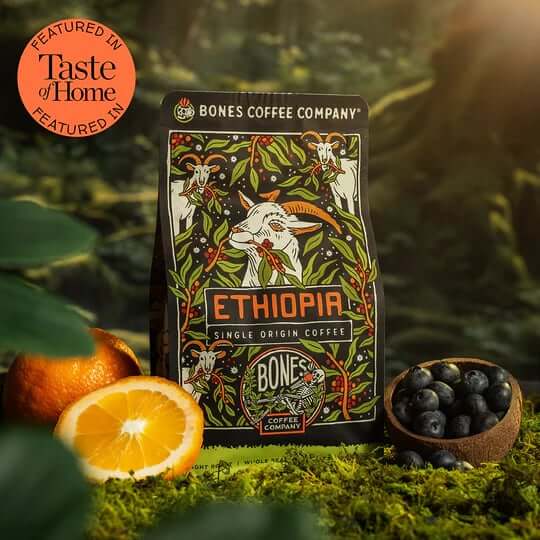
For a sweet treat that is naturally safe, try our drinking chocolate options. All Bones Coffee Company flavored coffee beans are free of gluten ingredients and sugars. You get bold flavor in every scoop without stomach issues or other gluten intolerance symptoms.
Pro Tip: If you share a kitchen, store coffee supplies far from flour-heavy areas. Airborne particles can compromise your favorite caffeinated beverages without you realizing it. |
Sip Your Cup of Coffee Safely
So, is coffee gluten-free? Yes. Plain coffee is naturally gluten-free and ready for your mug. The real risk comes from cross-contact rather than the coffee bean itself, so staying vigilant when choosing coffee products is key. Choose certified gluten-free oats if you enjoy oat milk lattes before ordering to avoid IBS symptoms.
Enjoying safe coffee doesn't mean sacrificing flavor. At Bones Coffee Company, we’ve got you covered with delicious, naturally gluten-free flavored coffee beans. Explore our gluten-free coffee today and enjoy every sip with confidence.