

Yes, decaffeinated coffee is still naturally acidic. Removing caffeine takes away the jitters, but. Decaffeinated coffee is only a hair less tangy than most regular brews, though it remains far milder than highly acidic substances like lemon juice.
However, the good news is that coffee bean origin, roast level, and brewing style affect acidity far more than the decaffeination process itself. This means you have plenty of control over how gentle your next cup can be.
What Makes Coffee Acidic?
Coffee's brightness comes from organic acids like citric and malic acid, while chlorogenic acids break down during roasting to form compounds that contribute to bitterness and astringency. These organic compounds form while the coffee bean grows, particularly when cultivated in mineral-rich, volcanic soils.
While these acidic compounds are responsible for the complex flavor notes coffee drinkers love, they are also the primary culprit for acidity-related issues.
A few key factors dial this zing up or down:
- Roast Level: The roasting process breaks down acids. Light roasts preserve the most acids, which explains the lively, fruit-forward snap often associated with blonde roasts.
- Origin & Altitude: Geography plays a massive role. Coffee beans harvested from lofty, cool elevations such as Ethiopian Yirgacheffe or Kenyan varietals develop sharper, more pronounced acidity compared to low-lying crops from Brazil or Sumatra.
- Brewing Variables: How you prepare your coffee changes its chemical profile. Hotter water, finer grinds, and longer extraction times pull more acids from the grounds into your cup.
Taken together, these elements shape both the measurable pH level in a laboratory setting and your personal sensory perception of “acidity” on the palate.
How Does Decaffeination Affect Acidity?
Is decaf coffee acidic? To understand the acidity of decaf, you have to look at how the caffeine is removed. Caffeine is extracted after the green-bean stage using one of three main commercial techniques:
- Swiss water process
- Super-critical CO₂ extraction
- Solvent-based methods (often utilizing methylene chloride or ethyl acetate)
The decaffeination process typically removes around 97% of the caffeine naturally found in coffee beans. These solvents and methods leave most organic acids untouched, and the resulting change in pH is minimal.
What does change significantly is the flavor matrix. Because some fruity esters and lipids wash away during decaffeination, decaf coffee tastes slightly flatter or less dynamic. Your tongue may interpret that softness as being less acidic, even though the acidity levels barely budge.
Decaffeinated vs. Caffeinated Coffee
To visualize the difference, it helps to look at the numbers. An 8-ounce cup of brewed decaffeinated coffee contains approximately 2 to 15 mg of caffeine, according to the U.S. Food and Drug Administration.
Roasting drives a much bigger chemistry shift than decaffeination ever could. For example, a light roast coffee tastes significantly more acidic than dark roast coffee, due to the retention of flavor compounds like chlorogenic acids.
If you were to visualize an acidity ladder, orange juice would be at the bottom (most acidic), followed by energy drinks, soft drinks, and then black coffee.

How Do You Reduce Acidity in Your Decaf Cup?
If you have acid reflux but love drinking coffee, you can hack your brewing routine to minimize the burn. Here are five proven strategies:
1. Pick Naturally Low-Acid Origins
Not all coffee beans are created equal. Brazil, Sumatra, and Mexico have low-acid coffee since they have lower altitudes, compared to high-altitude African coffee beans. These regions are often recommended for anyone seeking low-acid coffee and smoother cups.
Robusta coffee, known for its bold, earthy taste and higher caffeine content, contains higher levels of chlorogenic acids than Arabica beans.
2. Roast Matters
This is the golden rule for low-acid coffee drinkers: the darker, the better. Go for a French or Italian roast. The prolonged heat exposure breaks down more acids, resulting in a smoother, lower-acid coffee.
3. Try Cold Brew Coffee
Heat is a catalyst for extracting acid. Learn how to make cold brew coffee by steeping grounds in cool water for 12–24 hours. This method produces a concentrate with reduced acidity because cold water extracts compounds more slowly than hot water.
4. Buffer the Brew
Chemistry can work in your favor after the low-acid coffee is brewed. When drinking decaf coffee, adding a tiny pinch of baking soda acts as a buffer to neutralize excess acids without muting the flavor profile you enjoy.
5. Flavor + Dark Roast Coffee Combo
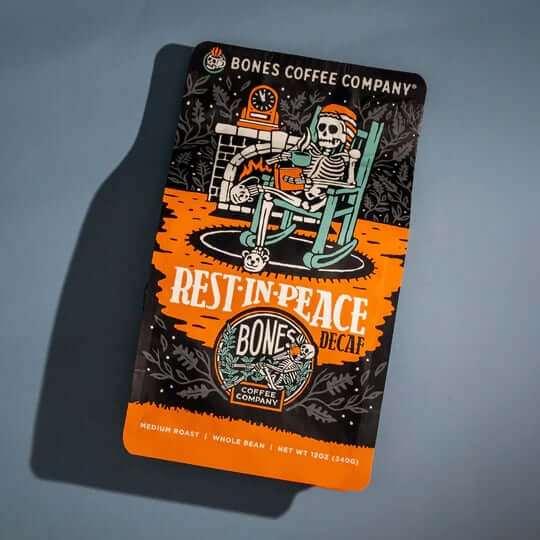
Who says low-acid coffee has to be boring? Bones Coffee Company’s dark roast flavored decaf line pairs smooth-sipping dark roast coffees with dessert-like notes. Options like dark chocolate provide a rich, savory experience that satisfies the palate without the sharp bite of caffeinated coffee.
Pro Tip: Swap heat for time to drastically lower acidity. Cold brew coffee has reduced total titratable acidity, creating a concentrate that is naturally smoother and easier on sensitive stomachs. |
How Does Coffee Acidity Affect Your Health?

For many coffee lovers, the question of decaffeinated coffee's acidic properties isn't just about taste. It's about physical comfort. Here is how the acidity in decaf interacts with your body:
Acid Reflux
If acid reflux, heartburn, or indigestion is a recurring nemesis, you don't necessarily have to quit coffee. Gastroesophageal reflux disease sufferers can often tolerate low-acid coffee better.
Caffeine relaxes the lower esophageal sphincter and stimulates gastric acid secretion, which can lead to acid reflux and stomach upset in sensitive individuals. Avoiding caffeine can help mitigate these effects, though other coffee compounds contribute similarly.
Dental Enamel
While coffee’s pH is mild compared with sugary soda, lingering acids can still weaken tooth enamel over time. A simple trick is to rinse your mouth with plain water immediately after finishing your mug to neutralize the oral environment.
Polyphenol Perks
One major advantage of drinking decaf coffee is the retention of antioxidants. Decaf coffee keeps most of the antioxidant polyphenols found in regular coffee, delivering anti-inflammatory benefits without the caffeine-induced jitters.
Pro Tip: Alternate between decaf and low-caffeine regular coffee to protect dental enamel while managing caffeine content and minimizing staining and acid reflux. |
Enjoy Flavorful Decaffeinated Coffee Daily
So, is decaf coffee acidic? Decaffeinated coffee isn’t entirely acid-free, but with smart bean choices, darker roasts, and cold-brew techniques, you hold the reins on just how mellow your mug can be. You don't have to sacrifice flavor for comfort.
Ready to taste the smooth side of flavor-packed decaf? Browse our sampler pack and start experimenting until you find the gentlest, most delicious cup for your daily ritual.