The best way to choose a coffee roast is to match it to your taste and brewing method. Pick a light roast if you like bright, fruity, more acidic cups, a medium roast if you want balanced sweetness, a medium-dark roast for more body and richness, or a dark roast if you prefer bold, smoky coffee with lower perceived acidity.
This guide breaks down the traditional roast spectrum so you can understand the differences and choose the roast that fits your palate, your brewer, and the way you like to drink coffee.
What Does Coffee Roast Level Mean?
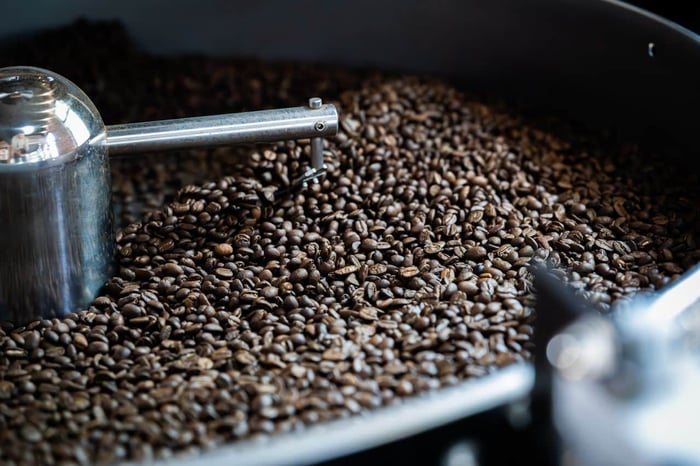
Roast level is the degree to which green coffee beans are roasted, set by roasting temperature and duration. Raw coffee beans start as green, hard seeds with grassy flavors. Roasting transforms them into the aromatic, flavorful coffee you love.
Here is what roasting changes: flavor, acidity, body, and aroma.
Here is what roast level barely touches: caffeine. Roast level is about how the coffee tastes, not how much caffeine the coffee packs.
So what actually happens inside the bean? Heat drives out moisture. Sugars brown. The beans expand, crack, and become easier to grind and extract.
One of the key transformations is the Maillard reaction. Amino acids and sugars break down, creating brown color and complex flavor compounds. This reaction is responsible for the caramel, nutty, and chocolatey notes in roasted coffee.
A quick myth-buster. Roast level is not the same as strength. Strength refers to how much caffeine is in your cup. Roast level refers to the flavor profile. That makes them two different things.
Key Insight: Roast level transforms flavor and aroma more than it affects caffeine. Light roasts actually hold onto slightly more caffeine than dark roasts, since extended roasting burns off a bit more mass. |
The Main Traditional Coffee Roast Levels
The roast level comes down to when the roaster stops. That timing creates the differences between light, medium, and dark.
Light Roast
Light roast beans are pulled just after first crack, which happens at internal temperatures of around 200 degrees Celsius. They hold onto more of their original character and show off the flavors of their origin.
Light roast is ideal for anyone who enjoys complex flavors and higher acidity. Fans of single-origin coffee love light roast because the bean's unique traits get to shine.
Medium Roast
Medium roast beans are pulled well after first crack but stopped before second crack begins, roughly midway through that window.
Medium roast is the balanced sweet spot. Medium roasts keep some original coffee flavor while developing sweetness and mild roasted notes. Expect hints of caramel, chocolate, and toasted nuts.
Medium roast is the most popular roast level in the United States, and for good reason. It delivers moderate acidity, caramelized sweetness, and medium body without the sharpness of light roast or the heavy character of dark roast.
Medium roast appeals to the widest crowd. New to specialty coffee? Start with medium roast.
Medium-Dark Roast
Medium-dark is the bridge between balance and boldness, where the roast starts to lead the conversation.
The flavor turns deep and bold, with notes of chocolate and spice. Sweetness becomes more pronounced. Acidity softens. Body increases without becoming heavy.
Dark Roast
Dark roast beans push well into or past second crack, climbing past that 225 to 230 degrees Celsius mark. At this point, roast-developed flavors dominate over origin character.
Single-origin coffees unlock a world of distinct flavors, from bright and fruity to deep and earthy. Discover the roast that perfectly matches your taste with these traditional favorites.
#1 The Light & Floral | #2 The Smooth & Balanced | #3 The Bold & Earthy |
|---|---|---|
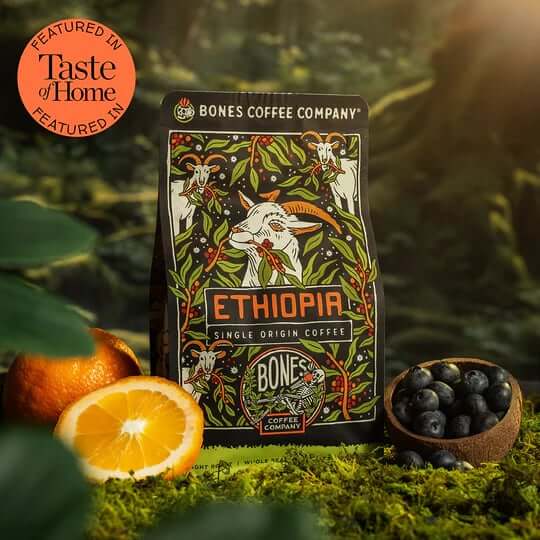 |  |  |
LIGHT ROAST: Ethiopia Single-Origin Coffee - 12oz | MEDIUM ROAST: Costa Rica Single-Origin Coffee - 12oz | DARK ROAST: Sumatra Single-Origin Coffee - 12oz |
|
|
|
How to Choose the Right Coffee Roast?
There is no universal best roast, only the best roast for you and your brewer. If you want the most neutral, broadly appealing pick, choose medium roast.
If You Like Bright, Fruity, or Floral Coffee
Reach for light roasts. They carry more perceived acidity, highlight the complex and layered flavors of the bean, and stay lighter-bodied and lively, with citrus, fruit, and floral notes front and center.
Light roasts also spotlight where the bean was grown. If you love clarity, subtle sweetness, and flavors that feel fresh and alive, light roast is your lane, especially for single-origin exploration.
If You Like Smooth, Balanced Coffee
Reach for medium roasts. They strike a balance between origin character and roast development. Sweetness becomes more pronounced, acidity softens, and body builds without turning heavy.
Beans from Central America, like those from Guatemala and Costa Rica, are excellent for medium roasts. They bring a mix of acidity and body that responds beautifully to medium roasting.
If You Like Bold, Deep, or Chocolatey Coffee
Reach for medium-dark and dark roasts. Taken further into roasting, they lose acidity and gain deeper, roast-driven flavors. Here, the roast has more influence than the origin.
Lower acidity lets chocolate and caramel step forward, delivering a smooth, full-bodied cup.
Pro Tip: New to specialty coffee? Start with a medium roast. It's the sweet spot that balances origin character with roasted sweetness, works with almost any brewer, and is the most forgiving for beginners. |
Best Brewing Methods for Different Coffee Roasts
Roast level shapes the cup. Brewing method completes the cup.
Roast | Best methods | Brewing notes |
Light roasts | Pour over (V60, Chemex), AeroPress, cold brew, and filter coffee | Emphasize clarity. Beans stay denser and less porous, so water moves through the grounds more slowly. More demanding to extract, so precision pays off. |
Medium roasts | Almost any brewing method | Most forgiving and versatile. Do not need the precision of light roasts, and resist over-extraction better than dark roasts. |
Dark roasts | Espresso, French press, and percolator | Flatter body and boldness. Complements bold flavor and fuller body. |
Buyer tip: Adjust grind and water temperature to the roast for better balance. Want to soften acidity even more? Cold brew is a great option for smoothing bright notes into something mellow and easy-drinking. |
Find Your Perfect Roast with Bones Coffee Company
Now that you know the spectrum, here is where to put your roast knowledge into practice.
Our single-origin coffees from Sumatra, Costa Rica, Ethiopia, and Guatemala let you taste the lessons above. Chase bright, fruity Ethiopian character in a lighter roast, or try deeper, chocolatey Sumatran notes. Every bag is small-batch roasted for freshness, with naturally occurring tasting notes that let the origin speak.
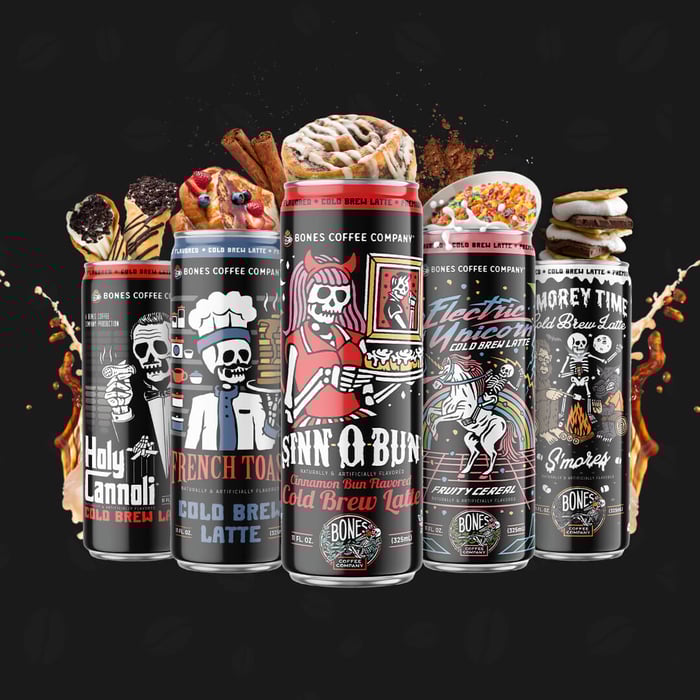
Our 30+ flavored coffees are made from 100% Arabica beans and built for the dessert end of the flavor spectrum.
Not sure of your ideal roast? Start with sampler packs. Taste across the spectrum before committing to a 12-ounce bag.
The right roast is the one that matches your palate and your brewer, and Bones Coffee spans the full range. Say no to boring coffee.