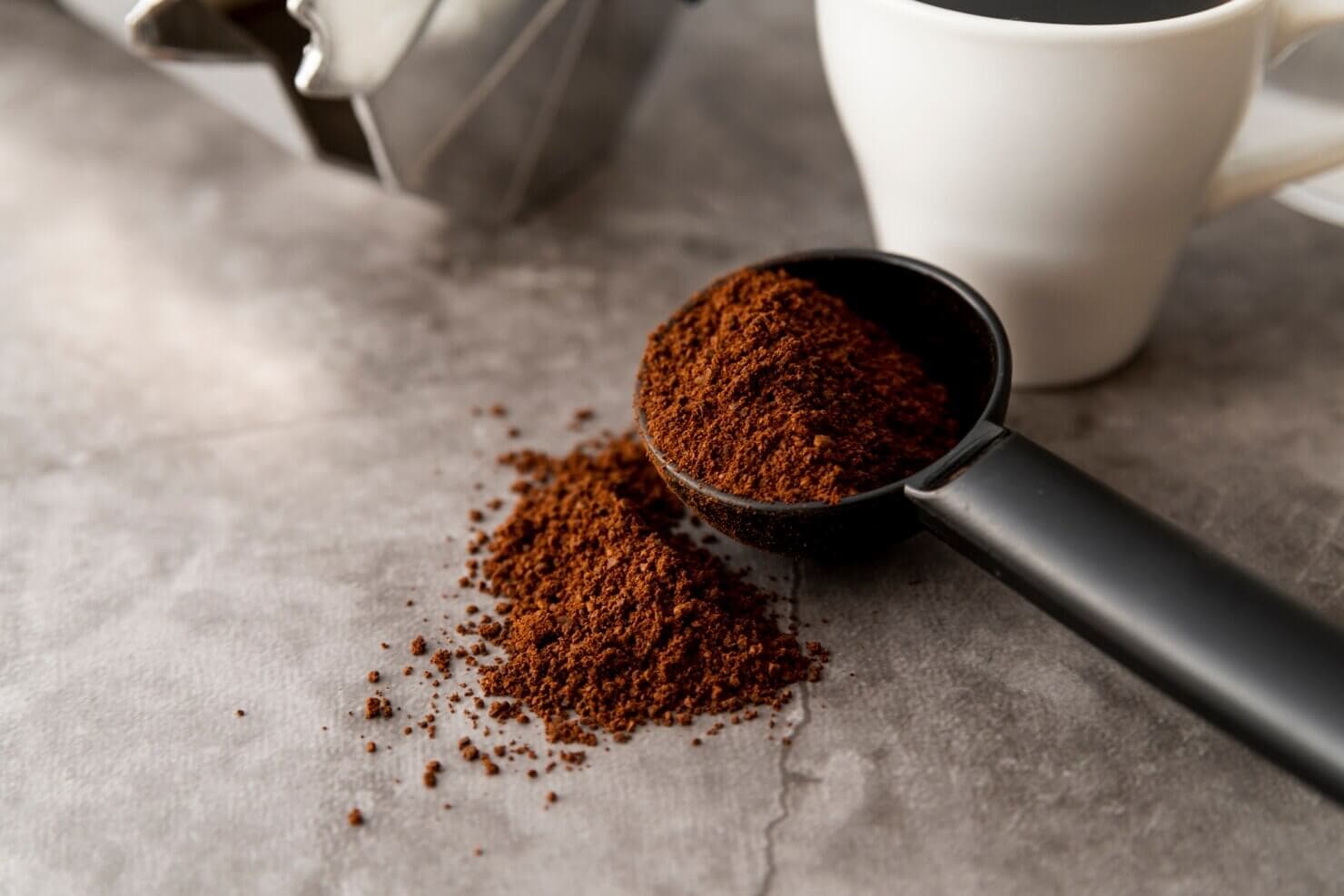
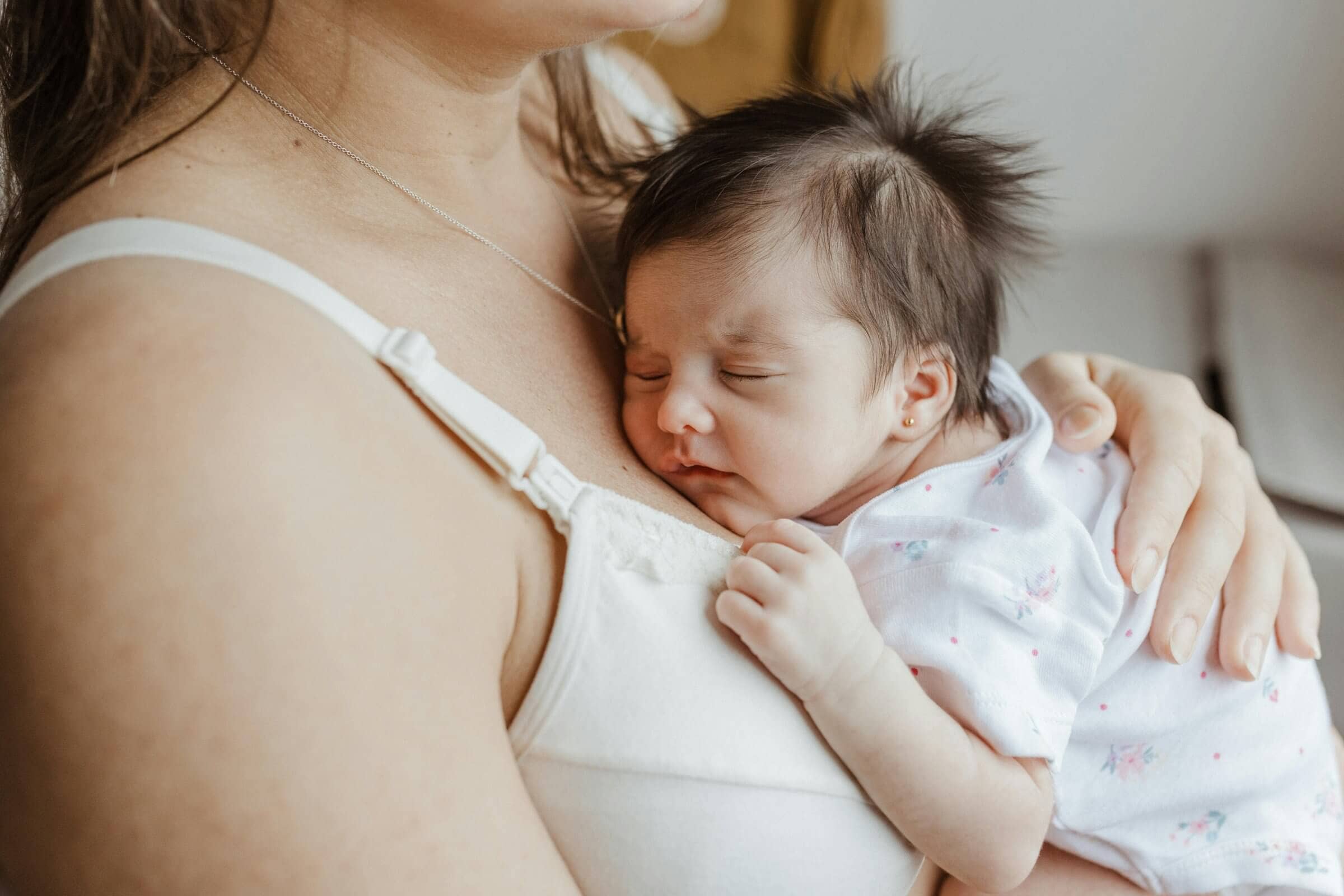

You can generally drink coffee while breastfeeding without harming your new baby. Most health organizations recommend limiting caffeine intake during breastfeeding to 300 mg per day, which equals about two to three cups of coffee.
Understanding how caffeine transfers to breast milk helps breastfeeding women make the best choices for their caffeine consumption routine.
How Much Caffeine Is in Caffeinated Drinks?
The caffeine content in coffee varies depending on the brewing method and serving size. This variability underscores the importance of monitoring individual caffeine intake, especially for breastfeeding mothers.
Knowing your limits starts with understanding the amount of caffeine in your specific cup of coffee. While generic guidelines exist, the actual strength depends heavily on the roast type and how you prepare it. The table below compares the caffeine concentrations for different types of coffee.
Serving Size | Average Caffeine Content |
|---|---|
8 oz (Standard Cup) | 95-200 mg |
1.5 oz of espresso | 65 mg |
8 oz decaffeinated coffee | 4 mg |
Keep in mind that one cup of coffee on a machine is often measured as 6 ounces. That favorite oversized morning cup might actually count as two servings, doubling your calculated caffeine consumption.
How Caffeine Moves to Breast Milk
The effects of coffee kick in 5 to 90 minutes after consumption. The amount of caffeine you consume directly affects how quickly your body processes it. Larger amounts slow down metabolism, prolonging caffeine-related symptoms. Once absorbed into your bloodstream, caffeine can also pass into breast milk.
While only a small percentage of the caffeine you drink transfers, the real variable is how fast your baby processes caffeine. Newborns have immature metabolisms, meaning caffeine stimulants linger much longer in their systems compared to pregnant women or older babies. This results in higher caffeine retention in breastfed infants.
As babies grow, their ability to process these caffeine compounds improves significantly. A newborn may take 97.5 hours to eliminate caffeine, while a six-month-old baby can process it in as little as 2.6 hours. This is why the effects of caffeine in breast milk vary greatly depending on your baby's age.

Side Effects of Caffeine While Breastfeeding
Breastfed infants exposed to caffeine via human milk demonstrate dose-related effects. One study noted jitteriness and increased muscle tone in a 6-week-old infant whose mother consumed four to five cups of coffee and several bottles of cola daily. The caffeine symptoms resolved two weeks after cessation of maternal caffeine intake.
Even within a safe level, some babies are naturally more sensitive to caffeine than others. Signs of caffeine sensitivity include:
- Behavioral changes: Colic-like symptoms, restlessness, and wakefulness when the baby should be napping.
- Physical signs: Jittery behavior and constant movement in the baby, and wide-eyed alertness.
- Physiological impacts: Caffeine may cause mild interference with iron absorption and iron levels.
Maintaining a Moderate Coffee Amount and Milk Supply
Your well-being matters just as much as the baby's health during this demanding time. High caffeine intake can lead to sleep fragmentation, making it harder to nap when the baby naps.
Excessive caffeine consumption may also cause heightened anxiety or uncomfortable heart palpitations in breastfeeding moms. Additionally, heavy coffee intake can inhibit your own iron absorption, so try to consume meals with a high iron content separately from your coffee break.
While coffee doesn't typically decrease milk supply, caffeine acts as a mild diuretic. Stay mindful of your overall hydration by drinking plenty of water throughout the day, especially if you regularly consume a moderate amount of coffee.
Smart Timing Tricks for Intake
You don't necessarily have to quit coffee consumption; you just need to strategize your caffeine intake using smart timing strategies. Use the "Nurse First, Sip Second" method to manage caffeine levels. By breastfeeding immediately before drinking your coffee, you give your body the maximum amount of time to metabolize the caffeine.
This approach effectively lowers the caffeine concentration in your breast milk before the next feeding session occurs.Also, try consuming caffeine in the morning and avoid it within three to four hours of your baby's bedtime.
If you're struggling to cut back on caffeine, gradually transition to decaffeinated coffee. This allows you to still enjoy the ritual and taste of coffee while significantly reducing your caffeine intake.

Pro Tip: Master the "Nurse First, Sip Second" strategy. By drinking your coffee immediately after a feeding, you allow roughly three hours for caffeine levels in your breast milk to drop before the next nursing session. |
Sneaky Caffeine Sources in Diet
Coffee is not the only culprit when calculating your 300 mg daily caffeine limit. Energy drinks, tea, soda, and chocolate can add up quickly without you noticing. Black tea and green tea contain significant amounts of caffeine that contribute to your total caffeine consumption.
Rich dark chocolate bars often contain surprising amounts of caffeine. Even some over-the-counter pain relievers include caffeine to boost effectiveness. Always check labels to ensure you aren't accidentally doubling your caffeine dose.
Being aware of these hidden caffeine sources helps you make informed decisions about your total consumption while breastfeeding.
When to Consult a Lactation Consultant?

Trust your instincts if you suspect caffeine is affecting your baby. If your infant shows persistent irritability, trouble sleeping, or slow weight gain, it is time to consult your pediatrician or doctor. They can help rule out other causes for the fussiness or reaction to caffeine.
Similarly, if you are experiencing anxiety spikes, insomnia, or heart palpitations from caffeine, check in with your doctor. For specific breastfeeding advice, a lactation consultant can provide personalized guidance regarding caffeine while breastfeeding.
Organizations like La Leche League International also provide valuable resources and support for breastfeeding mothers navigating caffeine and other dietary concerns.
Enjoy Your Coffee Journey, Safely
Breastfeeding doesn't mean giving up coffee. It simply means being mindful of your caffeine. By practicing moderate consumption intake and staying within the recommended 300 mg daily limit, you can safely enjoy your favorite beverage while providing the best care for your baby. Remember to account for hidden caffeine sources like energy drinks, tea, and other caffeinated drinks when calculating your daily intake.
Ready to discover your perfect breastfeeding-friendly coffee? Explore our coffee sample pack and find the ideal flavor and roast that fits your lifestyle, from bold morning brews to decaf options. Try our variety pack today and make informed, delicious choices for this special chapter of motherhood.