Are coffee beans safe to eat? Yes, roasted coffee beans are edible and offer a potent boost of energy and antioxidants. For most adults, a safe daily limit for eating beans is around 20-30 Arabica beans, which delivers about the same amount of caffeine as one to two cups of brewed coffee.
Ready to dive into the perks, pitfalls, and surprisingly delicious ways to snack on your favorite beans? Let’s get crunching.
Roasted vs. Raw: Know the Difference
When you see coffee beans at the store, it’s a clear sign that they are perfectly safe to eat, with a few key distinctions.
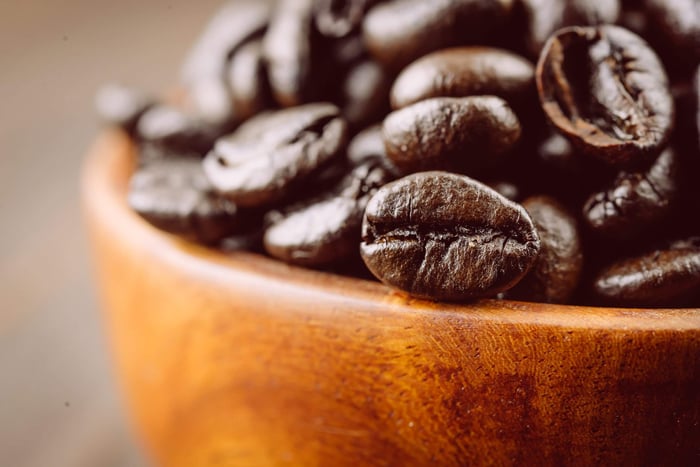
The beans you find in snacks are typically roasted. Roasting coffee beans makes them brittle and crunchy while breaking down tough compounds, making them easier to digest and unlocking their familiar, delicious flavors.
- Roasted beans: Crunchy, flavorful, and easy to digest. These are ideal for snacking.
- Raw coffee beans: Extremely hard, bitter, and contain compounds that can be harsh on your digestive system.
- Coffee cherry: The fruit that encases the green bean before processing.
Pro Tip: Raw coffee beans, also known as green coffee beans or unroasted beans, are intensely bitter, extremely hard, and can cause stomach upset. |
Health Benefits of Eating Roasted Coffee Beans
Munching on whole roasted coffee beans isn't just a quirky way to get your caffeine fix. It offers a more direct delivery of the nutrients locked inside, some of which are lost during the brewing process. This makes eating them a surprisingly potent snack compared to liquid coffee, as you are consuming the beans in their pure, undiluted form.
Roasted coffee beans are rich in chlorogenic acid, a compound that functions as an antioxidant and may help reduce insulin resistance and inflammation. Eating the beans delivers these compounds in a more direct form, offering a concentrated dose of cellular protection compared to brewed coffee.
Eating roasted coffee beans often results in a quicker caffeine boost. When you chew a bean, caffeine is absorbed rapidly through the lining of your mouth and stomach. For those with celiac disease or gluten sensitivity, you might wonder if snacking on coffee beans is safe. Learn more about how to enjoy coffee safely with celiac disease. This ensures you enjoy your coffee beans with confidence, whether chewing or brewing.
The amount of caffeine in an average Arabica bean is about 10 and 12 mg, meaning just eight of these coffee beans can give you a jolt equivalent to an espresso shot, but you'll likely feel the effects sooner.
Regular coffee consumption is also linked to increased fat oxidation, neuroprotective effects, and improved liver health. Eating the whole bean provides these compounds in their most direct and unaltered form, potentially enhancing the health benefits.
Key Insight: Eating coffee beans delivers a more potent dose of antioxidants such as chlorogenic acid and a faster caffeine kick than drinking brewed coffee, as compounds are absorbed directly without being diluted or lost in the brewing process. |
Risks You Should Watch Out For When Eating Coffee Beans
Before you ask yourself, can you eat coffee beans in large quantities? Consider these important risks:
- Digestive issues: Due to their high acidity, eating too many coffee beans can cause heartburn or indigestion, especially if eaten on an empty stomach.
- Increased laxative effect: Caffeine is a well-known stimulant for bowel motility, and this effect is magnified in whole coffee beans.
- Sleep Disruption: The caffeine has a half-life of about 5-6 hours, so snacking on coffee beans late in the day can easily disrupt your sleep cycle.
- Caffeine overload: Overconsumption of coffee beans can lead to jitters, anxiety, and an increased heart rate.
Certain groups, like pregnant women and caffeine-sensitive individuals prone to stomach acid, should be extra cautious with the coffee beans they eat. If you're a sensitive coffee lover, consider trying decaf coffee beans for a similar crunch without the intense caffeine boost.
Warning/Important: Due to the potency of coffee beans, start with a small amount (5-10 roasted beans). Eating too many beans can lead to caffeine overdose, stomach upset, jitters, and sleep disruption. |
How Many Coffee Beans Can You Safely Eat Per Day?
The FDA recommends a daily caffeine limit of 400 milligrams for most healthy adults. Theoretically, that translates to about 40 Arabica beans.
However, the type of coffee bean matters significantly. Arabica beans are typically the best choice for snacking due to their lower caffeine content and smoother flavor, while Robusta beans contain considerably more caffeine.
Because of the concentrated caffeine dose in each bean, a more practical daily limit is around 20-30 coffee beans to avoid digestive upset and jitters.
- Caffeine-sensitive individuals: Stick to 10 Arabica beans or fewer (~100 mg).
- Teens: Should consume no more than 6-8 coffee beans (~60 to 80mg).
Coffee Beans Eaten | Brewed Coffee Equivalent | Estimated Caffeine (mg) |
|---|---|---|
5 Arabica | ~ ½ cup | 50 mg |
10 Arabica | ~ 1 cup | 100 mg |
20 Arabica | ~ 2 cups | 200 mg |
Key Insight: While the theoretical caffeine limit from coffee beans is high, a practical and safe daily cap for most adults is 20-30 Arabica beans. This provides a solid energy boost from the coffee beans without the high risk of uncomfortable side effects. |
Dark Chocolate Covered Coffee Beans and Other Snack Ideas
Coffee beans are a versatile ingredient that can add bold flavor and satisfying crunch to sweet and savory dishes alike. Here are creative ways to eat coffee beans:
- Chocolate-covered espresso beans: The sweetness of chocolate perfectly balances the coffee bean's bitterness, making delicious chocolate-covered coffee beans.
- Blend into protein shakes: Add a tablespoon of coarsely ground coffee beans to your next protein shake.
- Use as a spice rub: This creates a fantastic rub using coffee beans for steak, pork, or even roasted carrots, caramelizing into a savory, smoky crust.
- Dessert mix-ins: Fold whole or crushed coffee beans into brownie batter for an intense flavor.
Double Your Energy in Every Bite
So, can you eat coffee beans? For the regular coffee drinker, snacking on roasted coffee beans is a fantastic way to get a quick, potent dose of energy and antioxidants directly from the coffee beans. They are a nutrient-dense, on-the-go pick-me-up that delivers coffee's benefits directly. However, their potency is also their biggest drawback. You get all the power of undiluted roasted coffee beans in concentrated form.
Ready to discover your perfect bean? Explore our coffee sample pack and taste-test different roasted beans to find your favorite flavor, whether you're brewing or munching. Start your coffee adventure today!