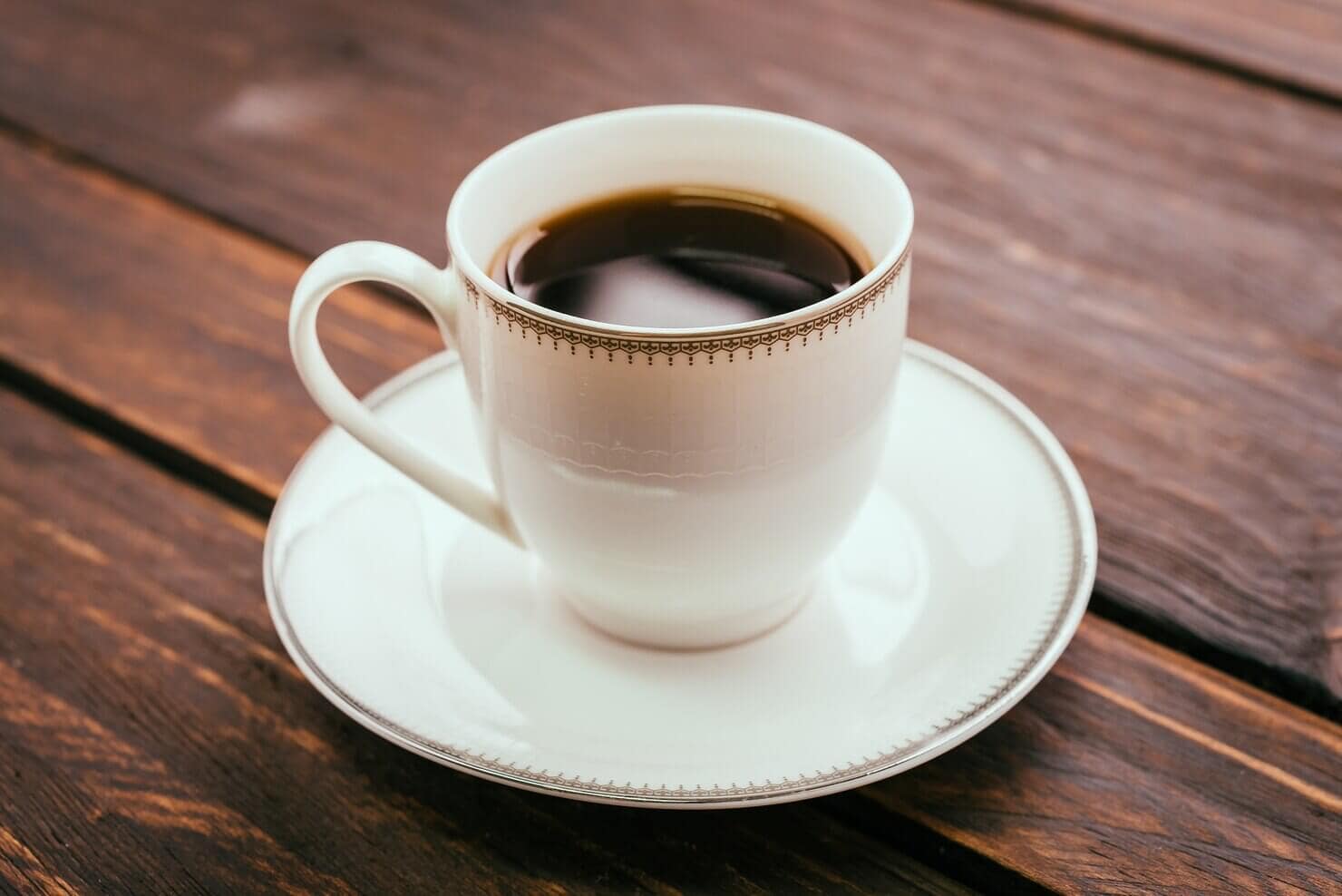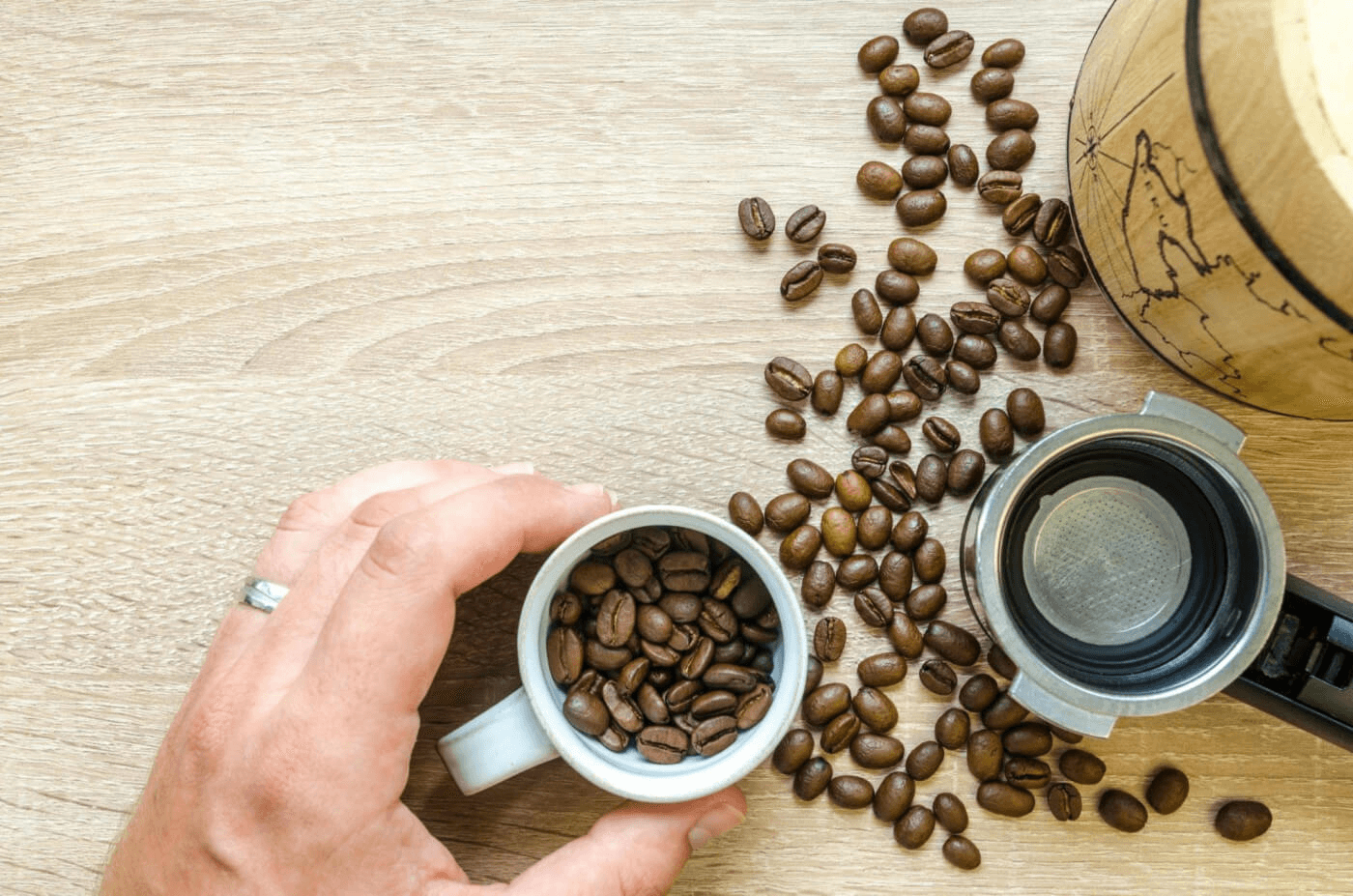
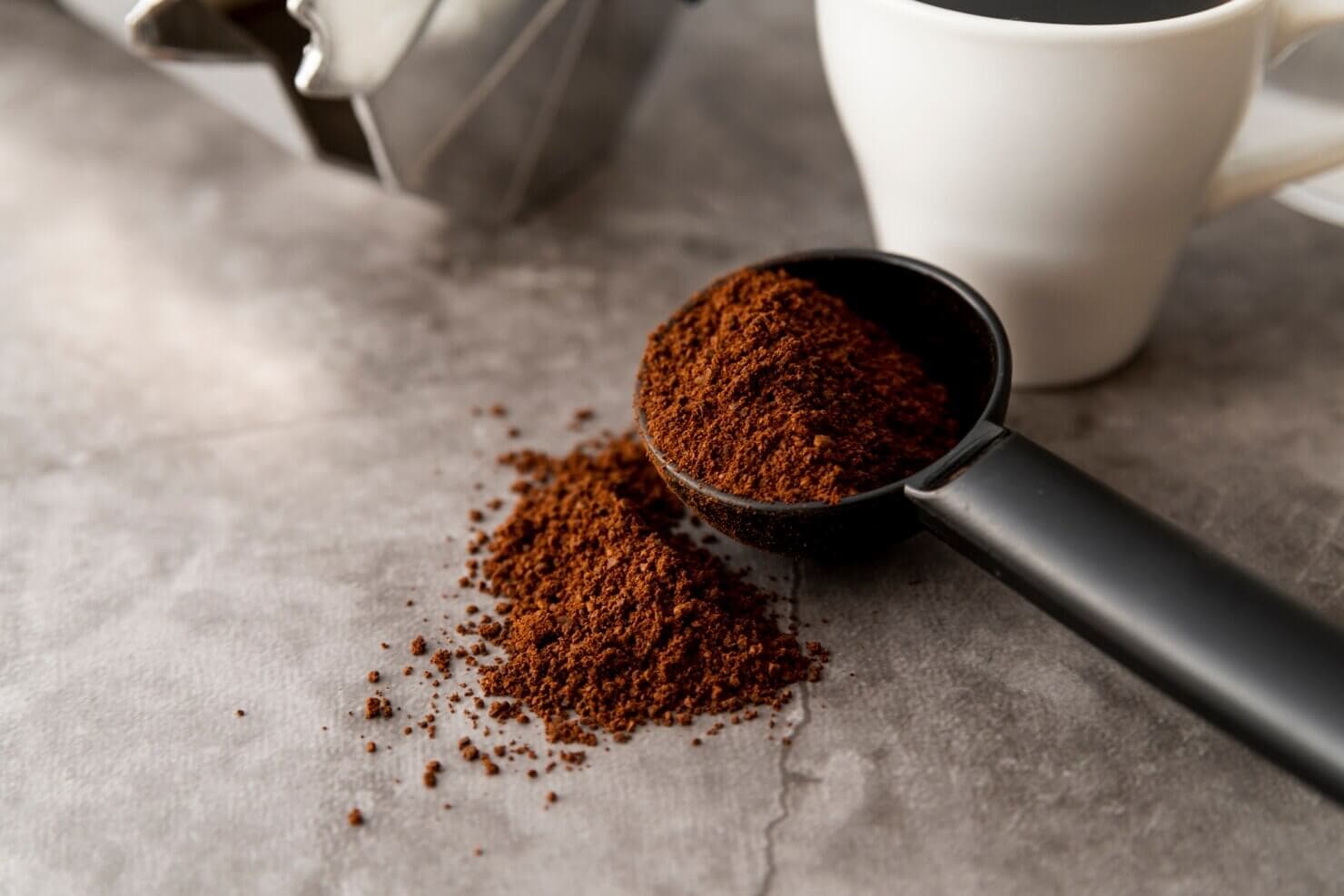

Yes, you absolutely can grind whole coffee beans in a blender. While the spinning blades will not match the precision of a dedicated coffee grinder or burr grinder, using the correct pulse technique creates usable ground coffee in a pinch.
If you don't have a coffee maker with a built-in grinder, follow the steps below to get coffee brewing safely without buying expensive gear.
Understanding Coffee Beans and Coffee Grind Sizes
Before you hit that button, knowing your coffee grind size texture is crucial for proper extraction and coffee flavor. A fine grind can taste bitter and sludge-like, while a coarse grind often results in a watery, sour cup of coffee.
Scientific studies suggest that the grinding level slightly affected the quality of coffee, whereas the preparation method significantly influenced all in-cup attributes. This means while your blender isn't perfect compared to a good grinder, your brewing technique still matters most.
Consult this chart to understand the coffee grind size you need to achieve for your coffee beans.
| Size | Texture Feel | Best Brew Methods |
|---|---|---|
| Coarse | Chunky sea salt | French press, cold brew |
| Medium | Regular sand | Drip coffee maker, pour-over, cold brew |
| Fine | Table salt | Espresso machine, moka pot |
How to Grind Coffee in a Blender
Using a blender requires a bit more finesse than a dedicated coffee grinder to avoid burning the coffee beans. You want to preserve the delicate oils found in fresh coffee.
Whether you use a standard model or a high-powered blender, follow this actionable process when using a blender to grind coffee:
- Select Pulse mode or pulse setting: Avoids continuous heat build-up that cooks coffee oils.
- Measure ¼–½ cup whole beans: Smaller coffee batches ensure a more consistent grind.
- Pulse 3 to 5 second bursts: Count out loud to maintain consistency in short bursts.
- Pause & shake/tap jar: Helps redistribute large coffee pieces to the blades.
- Empty coffee grounds & cool motor: Protects your blender's lifespan.
 |  |
|
|
4 Pro Tips for Better Ground Coffee from a Blender
- Short Bursts Only: Continuous blending creates friction, which causes oxidation. Whether using a, this can make your coffee taste burnt before you even brew it. To prevent this, make sure you use low speed if available.
- Vent the Lid: Always keep the blender lid vent slightly cracked or open the pour spout. This allows CO₂ and steam to be released during the grind.
- Rest the Motor: Give your blender motor a break between batches to cool down. This ensures your coffee equipment lasts longer.
- Reduce Static: Grinding beans with a splash of water reduces static electricity and makes a more consistent grind and intense espresso. A tiny drop of moisture can prevent coffee grounds from sticking to the food processor jar.
Blender vs Coffee Grinder Comparison
Here is a comparison of blenders to coffee grinders:
Factor | Blender (Blade Grinder) | Coffee Grinder |
|---|---|---|
Uniformity | Random mix, more coffee dust/fines | Consistent particle size and consistent grind |
Heat Build-up | Moderate–High | Low |
Flavor Consistency | Can be uneven/unpredictable | Reliable cup of coffee every time |
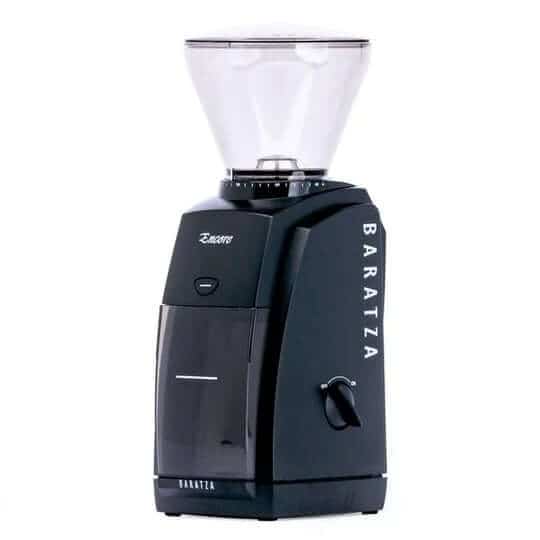
Pro Tip: While blenders save the day in a pinch, they cannot match a coffee grinder's consistent size. If you brew coffee daily, investing in an entry-level grinder is the fastest way to instantly improve your morning cup of coffee. |
Benefits of Grinding Beans
Grinding your own coffee beans unlocks fresher coffee aroma and allows you to adjust for different brewing methods. It also offers long-term savings compared to buying pre-ground coffee options. This freshness boost applies to all types of whole beans, including decaf coffee.
When freshly ground, complex coffee flavor notes pop even more intensely in your cup of coffee. You will notice a distinct difference in the richness of the brew compared to old, pre-ground coffee. Grinding fresh transforms a routine morning cup into a genuinely elevated coffee experience.
Quote: The moment you break a coffee bean, lipid oxidation begins. Grinding immediately before brewing captures volatile coffee aromatics that pre-ground coffee loses weeks ago, resulting in a cup of coffee with more depth and complexity. |
How to Clean Your Blender
Coffee oils can stain plastic and leave lingering odors if not cleaned immediately, similar to how coffee residue builds up on coffee maker components.
To clean your blender or food processor, fill the jar halfway with warm water and add a drop of dish soap. Adjust the pulse setting for 30 seconds, then dump the soapy water and rinse thoroughly. Dry the jar completely to prevent stale coffee extracts from affecting your next blend.
Alternative Grinding Tools
If you don't have a blender, a small food processor works just as well for grinding coffee beans. A mortar and pestle can also crush beans effectively for a hands-on approach. For smaller batches, try a spice grinder, or in a pinch, use a rolling pin and a ziplock bag.
These alternative methods ensure you can always grind fresh coffee beans, no matter what equipment you have available.
Extract Maximum Flavor from Every Bean
You can grind whole coffee beans in a blender using the pulse technique. It won't deliver the consistent grind size of a dedicated coffee grinder, but it works in a pinch when you need fresh ground coffee fast.
However, if you brew coffee daily, upgrading to a burr grinder is the single fastest way to improve your cup. The right grind size unlocks the full flavor potential of quality beans, ensuring even extraction and balanced flavor in every brew.
Ready to upgrade your coffee game? Explore our premium brewing equipment collection and pair your new setup with our coffee sampler pack. Experience the difference that freshly ground, quality beans make in your morning ritual. Your taste buds will thank you.