

It’s the classic morning dilemma. You need a boost, a ritual, a warm cup of something to kickstart your brain. Should it be the earthy, calming green tea or brewed coffee? The choice often hinges on one crucial question: which one has more caffeine content?
Coffee has more caffeine than green tea leaves. An 8-ounce cup of coffee contains approximately 95 mg of caffeine, while the same amount of green tea contains only about 28 mg.
However, brewing methods, bean or leaf types can affect these numbers, and green tea's unique theanine content creates a different energy experience than coffee's direct caffeine hit.
We're here to give you a clear, science-backed breakdown of this daily duel. As people who live and breathe creative coffee, we believe in understanding your brew to perfect your experience.
Your Morning Cup's Hidden Secrets
We'll give you the straight numbers on caffeine content, compare how green tea and coffee feel so different in your body, and provide actionable tips to manage your caffeine intake like a pro. And if you're also weighing other caffeine options, check out our guide on caffeine pills vs. coffee to see how dosing and convenience compare with traditional caffeinated drinks. You can also explore our comparison of caffeine content in Red Bull vs coffee to see how energy drinks measure up.
The caffeine content is not even a close race in most standard scenarios. But as you'll see, "standard" is a tricky word in the world of caffeinated beverages, and the specifics matter a lot.
Key Insight: On average, an 8-oz cup of coffee packs more caffeine than green tea. The real difference isn't just the amount, but how the unique compounds in each beverage affect your energy and focus. |
How Does Caffeine Work in Your Body?
Before we pit these two drinks against each other, let's understand the main event: caffeine. Caffeine is a natural stimulant that works primarily by blocking adenosine, a neurotransmitter in your brain that signals tiredness. By acting as an "adenosine antagonist," caffeine prevents the "time for a nap" message from getting through, making you feel more alert and focused.
Once consumed, it's absorbed quickly, reaching peak levels in your bloodstream within 30 to 60 minutes. The average half-life of caffeine in the human body is about 5 hours, meaning it takes approximately 5 hours for the body to eliminate half of the caffeine consumed.
This is also where we first meet a crucial sidekick in our story: L-theanine, an amino acid found almost exclusively in green tea leaves.
How Much Caffeine Is in Green Tea?
Green tea’s caffeine content from the Camellia sinensis plant is a masterclass in subtlety and variation. An 8-ounce cup of brewed green tea contains about 28 mg of caffeine, while an 8-ounce cup of brewed coffee contains about 95 mg of caffeine.
This caffeine kick is perfect for an afternoon focus session without the risk of late-night jitters. However, not all tea varieties are created equal, as outliers like Matcha can pack a punch of 70 mg or more.
Several factors determine how much caffeine is available in different Japanese green teas:
- Cultivar & Leaf Age: Younger tea leaves used for premium teas often have significantly more caffeine levels.
- Growing Method: Shaded tea plants have higher caffeine levels.
- Brewing Method: Hotter water improves caffeine extraction.
- Steep Time: A 5-minute steep will yield more caffeine than a 1-minute steep.
How Much Caffeine Content Is in Coffee?
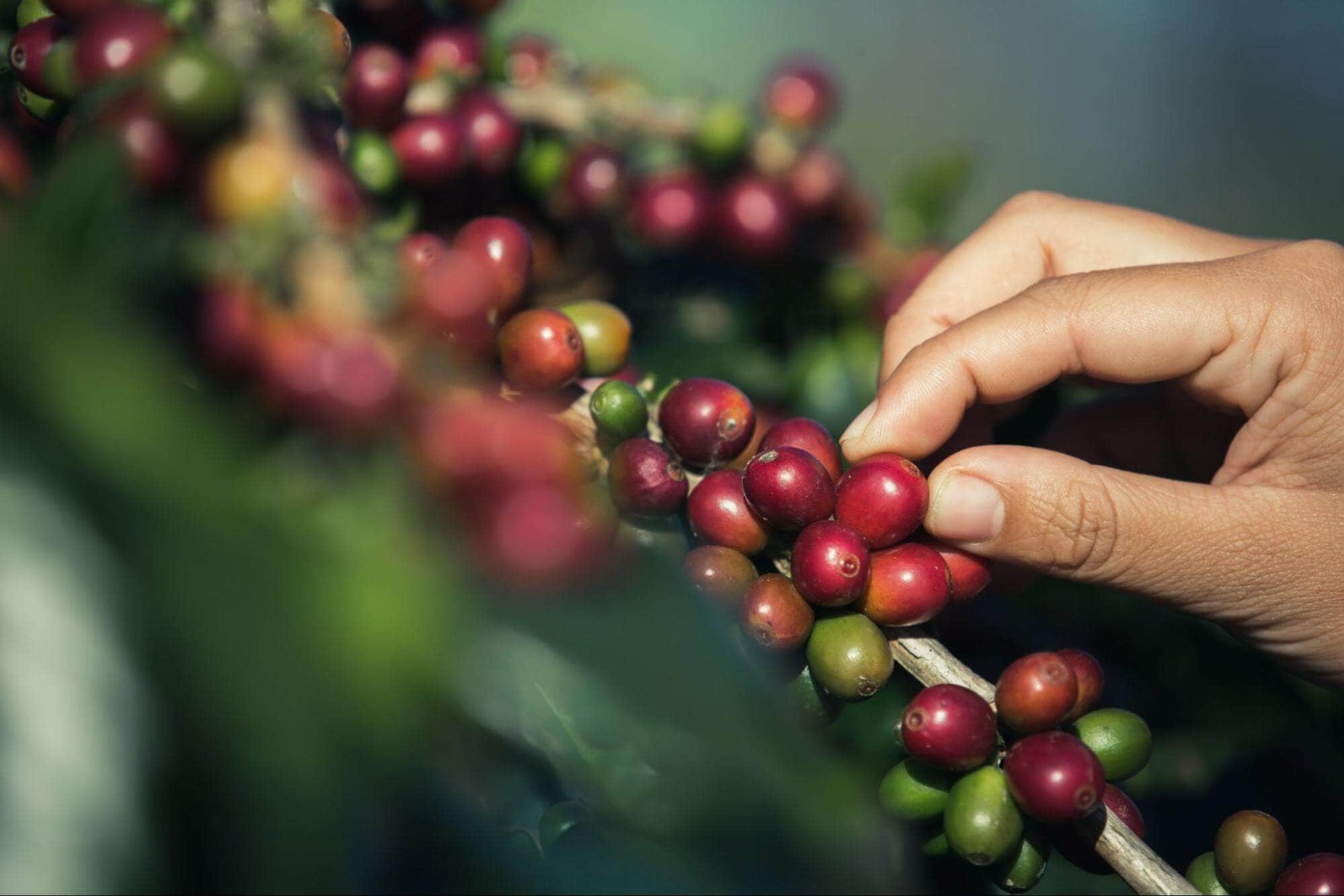
Coffee is the undisputed heavyweight champion of caffeine, but it too has its variables. The biggest factor is the bean itself. Robusta beans can contain nearly double the caffeine of their smoother, more aromatic Arabica counterparts.
There's also a common myth that dark roasts are stronger because of their bitter taste, but in reality, light roasts have slightly more caffeine by weight. Some people prefer decaf coffee to avoid the jitters while still enjoying the rich flavor, though decaf coffee contains only trace amounts of caffeine.
Brewing methods, bean type, and even grind size cause huge swings. An eight-ounce cup of brewed coffee typically lands around 95 mg, while a concentrated brew can soar much higher. An eight-ounce mug of our medium roast coffee, for example, contains approximately 95 mg of caffeine, with zero added sugar or calories.

Comparing Green Tea and Coffee Side-by-Side
Sometimes, the best way to see the difference is to lay it all out. This chart compares caffeine in tea vs. coffee and other compounds that define their character and effects on your body.
Beverage | Serving Size | Avg. Caffeine (mg) | Key Compounds |
|---|---|---|---|
Green Tea | 8 oz | 28 mg | Theanine, EGCG |
Matcha | 8 oz | 38 to 89 mg | High theanine & EGCG |
Drip Coffee | 8 oz | 95 mg | Chlorogenic Acids |
Why a Cup of Green Tea and Coffee Feels Different
If you’ve ever felt jittery after drinking coffee, then had tea and felt a "calm alertness," you’re not imagining things. L-theanine, an amino acid found in tea, has been shown to promote relaxation without drowsiness and may enhance attention and focus when combined with caffeine. It smooths out the energy spike, giving you a longer, more sustained period of productivity.
Coffee, lacking L-theanine, delivers its caffeine payload more directly. The rise is quicker and more pronounced, which is great for an immediate jolt but can lead to a "crash" for some individuals. Think of it like this: coffee is a rocket launch, reaching peak altitude fast, while tea is a steady climb, offering a smoother ride and a gentler descent.
Key Insight: Start your day with our bold coffee for high energy levels, then keep black and green tea bags on hand for a gentler afternoon pick-me-up that won't interfere with sleep. |
3 Green Teas With High-Caffeine Levels

For the tea lover who wants a coffee-level kick, a few special varieties step up to the plate. These aren't your everyday green teas; they are cultivated and prepared specifically to maximize their potency and flavor.
- Matcha: The undisputed champion of Japanese green tea. Because you consume the whole leaf as a fine powder, you get 100% of its caffeine and nutrients from the tea leaves. Matcha often yields 38-89 mg per serving.
- Gyokuro: This premium Japanese green tea is shaded from sunlight for weeks before harvest, which boosts its caffeine content.
- Powdered Sencha: Similar to Matcha but made from unshaded leaves, it offers a potent and convenient boost that's stronger than its steeped counterpart.
Choose Your Cup Wisely
So, does green tea have less caffeine content than coffee? The simple answer is no. But the better answer is that you are in complete control. Coffee is your go-to for a powerful, fast-acting wake-up call, while green tea is your ally for sustained, calm focus throughout the day.
And when you're ready to take that coffee experience to the next level, we've got something special waiting for you. Explore our coffee collection and discover how the right beans, roasted to perfection, can transform your daily ritual.