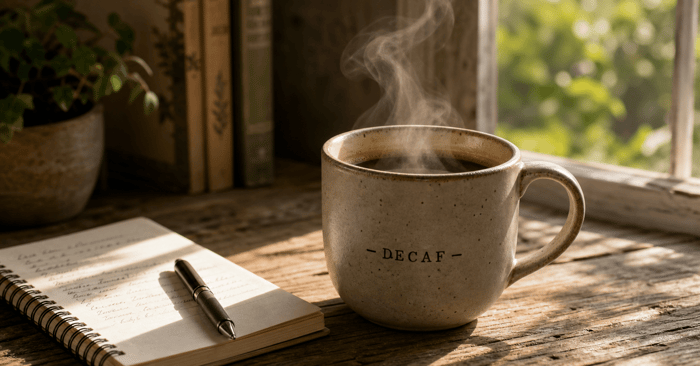
For most adults, decaf coffee is a safe way to keep the ritual without riding the caffeine rollercoaster. But let’s clear something up: “decaf” doesn’t mean 100% caffeine-free.
We’ll dig into safety, caffeine content, health benefits, and how to enjoy decaf without settling for a sad, flavorless mug.
Is Decaf Coffee Bad for You? The Short Answer
Decaffeinated coffee is a solid choice for most people. If you choose decaf coffee, you keep the ritual; the warmth, the aroma, the flavor; with only a fraction of the stimulant found in standard caffeinated coffee.
That makes it a smart option for coffee lovers who want to cut back their caffeine intake without breaking up with coffee entirely. Before deciding whether decaf coffee drinks come with any real risks, three questions are worth unpacking:
- How producers make decaffeinated coffee beans
- How much caffeine remains compared to a cup of regular coffee
- What human studies and numerous health authorities suggest about different health conditions
Before we dive in, let’s shut down one tired myth: decaf is not flavorless, fake, or some sad understudy to regular coffee. It uses the same coffee beans, with the same origin character and roast profile, minus most of the caffeine.
The decaffeination process removes the stimulant, not the soul. Commercial decaffeination methods, including water-based processes like the Swiss Water method, carbon dioxide extraction, and applications using methylene chloride, face strict rules. Trace amounts of methylene chloride are tightly regulated too.
These methods are regulated by the Food and Drug Administration and watched closely by health advocacy groups to support public health and safety. Residue levels from the indirect solvent method and other solvent-based decaffeination techniques fall below the limits food-safety regulators set for safe consumption.
The initial anxiety many consumers bring to this topic is largely unsupported by independent scientific evidence. Groups such as the National Coffee Association agree that moderation remains key. With that context in place, the real conversation is what decaf coffee brings to the table, or more accurately, to the mug.
Potential Health Benefits of Decaf Coffee
Decaf coffee keeps some of standard coffee's known perks, even if the caffeine-powered effects naturally drop once most of the stimulant is removed. Broad research, guided by organizations such as the World Cancer Research Fund, examines overall regular coffee consumption, and some studies suggest that decaf and regular coffee may share similar health benefits.
The findings show similar links for a decreased risk of multiple cancers and chronic diseases, though this is correlational data, not a magic “coffee fixes everything” promise.
With the hype dialed down and the facts still standing, here is what the research explores regarding health benefits.
Lower Caffeine Intake
The biggest benefit of drinking decaf coffee is right there in the name. For people who experience jitters, disrupted sleep, or a racing pulse from regular coffee, switching to decaffeinated coffee lets you keep the morning ritual while ditching the overstimulation.
That can be a big win for anyone who loves the beverage but has a body that pushes back against large amounts of caffeine. Precision matters, though; lower caffeine content does not mean a zero-caffeine cup. Decaf coffee drinkers appreciate that balance.
This alternative still contains a small amount of caffeine. For most sensitive individuals, that trace amount sits in a comfortable range that avoids acid reflux or nausea.
The Food and Drug Administration notes that recommendations of up to 400 mg of caffeine per day for most healthy adults put this amount into perspective. Decaf gives people more breathing room if they need moderation for blood pressure or are trying to reduce their overall caffeine intake.
That reduction transforms the daily habit into a smoother, less chaotic experience. It also gives coffee drinkers more room to explore new options without giving up the cup they love.
Antioxidants and Nutrients
A regular coffee brings more to the mug than caffeine, including antioxidant substances like chlorogenic acids, and decaffeinated coffee retains many of them. The exact amounts vary by bean origin, roast level, and the specific decaffeination process the maker uses.
Separate reviews suggest these active compounds remain present in valuable quantities after decaffeination, including methods that soak or steam green coffee beans. That is good news for consumers who choose decaffeinated coffee for potential positive impacts.
Gentler Option for Sensitive Coffee Drinkers
Some people love everything about regular coffee: the scent hitting before the first sip, the warmth of a ceramic mug, the depth of flavor in well-roasted coffee beans. Yet for many, a standard brew sends the nervous system into overdrive.
Decaf coffee gives adults a practical answer to that specific problem. It is a customized experience on your terms, not a consolation prize, making it especially useful for those monitoring blood pressure.
Afternoon cups, after-dinner sips, and late-night cravings before a big deadline all become realistic options without the sleep disruption that can follow a heavy pour of caffeinated coffee. For readers who love the ritual but hate the restlessness, decaffeinated coffee cuts out the trade-off.
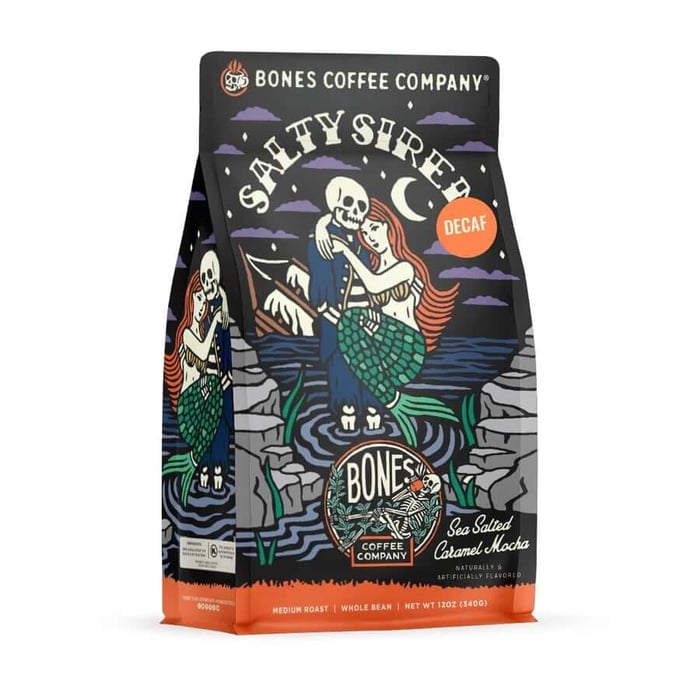
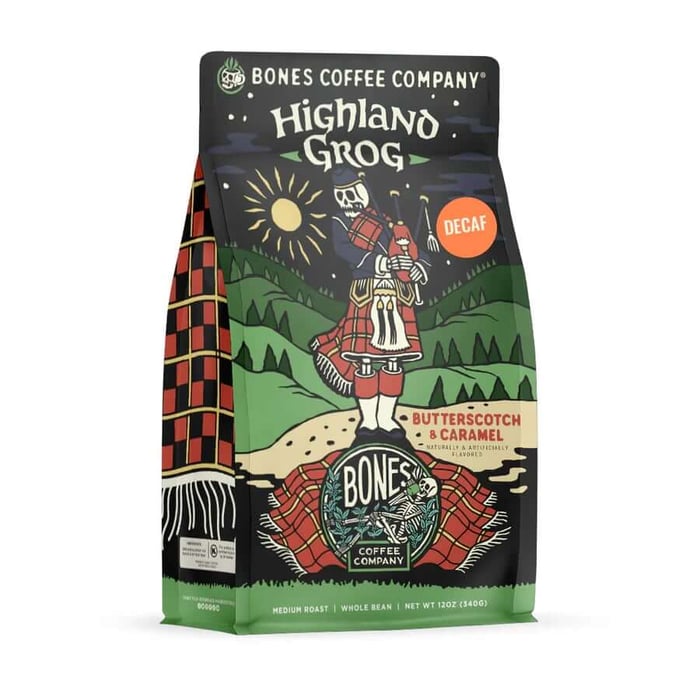
Who says decaf has to be boring? At Bones Coffee Company, we believe that cutting the caffeine shouldn't mean cutting the flavor. Our small-batch, artisanal decaf coffees are crafted with the same rebellious creativity and premium quality as our caffeinated brews, so you never have to settle for a dull cup.
Dive into these wildly delicious decaf options and find your new favorite late-night indulgence.
#1 The Salty Sweet Siren | #2 The Bold Highlander |
|---|---|
★★★★★ |
★★★★★ |
Decaf Salty Siren | 12oz | Decaf Highland Grog Coffee |
|
|
Is Decaf Coffee Completely Caffeine-Free?
No, and this surprises a lot of people. Decaf coffee still contains a small, measurable trace of caffeine.
The term "decaf" means the producer extracted most of the core compound from the green coffee beans, not all of it. The volume varies by brand, bean origin, and processing routine, but the numbers usually stay within a familiar range.
Coffee Type | Caffeine per 8 oz Cup |
|---|---|
Regular Coffee | ~95-200 mg |
Decaf Coffee | ~2-15 mg |
A standard 8-ounce cup lands around 2 to 15 mg of caffeine, compared to 95 mg or more in a typical pour of regular coffee. That is a major drop by any measure, but it is not zero.
Consumers who treat decaf as totally free of the stimulant may be setting themselves up for unrealistic expectations. For someone with high caffeine sensitivity, that trace amount is still worth factoring into their daily caffeine intake.
For many people embracing decaf coffee, it poses no issue. Health recommendations of up to 400 mg per day for healthy human consumption put this contribution into perspective.
Three or four cups usually land comfortably within that safe range. Understanding how much caffeine remains gives you the real picture, without the guesswork.
A note for expecting mothers: this beverage offers a lower-caffeine choice worth exploring. Pregnant women may be able to enjoy a cup without consuming large volumes of the stimulant.
Still, consulting a doctor before making any changes to intake is the smart move. This resource is here to inform, not replace professional health advocacy or medical advice.
Warning/Important: Decaf is not completely caffeine-free. It typically contains 2-15 mg per cup, negligible for most, but worth noting for those with extreme caffeine sensitivity or if you're counting every milligram. |
Who Should Consider Drinking Decaf Coffee?
Classic caffeinated coffee works for plenty of people, and if it does not mess with your sleep, there may be no urgent reason to switch. But for certain American decaf coffee drinkers, this variation is not a compromise. It is the perfect fit.
The following profiles tend to get the most value from decaffeinated coffee beans:
- Caffeine-sensitive drinkers: People who notice jitters, anxiety, or an elevated heart rate from the standard brew may find this alternative a more comfortable path.
- Afternoon and evening coffee fans: Want a cup after lunch or dinner without staring at the ceiling for hours? Decaf coffee was basically built for that.
- People reducing caffeine: Cutting back does not mean quitting the beverage altogether. This route keeps the habit alive while caffeine intake drops on your own timeline.
- Flavor-first drinkers: If the taste and the ritual matter more than the morning energy boost, this choice delivers the experience without functional trade-offs.
- Pregnant readers: Decaf coffee provides a smart lower-caffeine option. Consulting a physician before making changes is the necessary first step.
The point is simple: decaffeinated coffee beans can fit certain lifestyles and needs without asking anyone to give up the thing they love. Accurate information also helps navigate concerns about misleading warning labels regarding methylene chloride traces. The last hurdle for skeptics is whether the coffee actually tastes good.
Enjoy Decaf Without Giving Up Flavor With Bones Coffee Company
The excuse to settle for boring decaf coffee expires here. Choosing decaf does not mean surrendering to a flat, forgettable cup that tastes like it gave up on itself.
At Bones Coffee Company, decaffeinated coffee gets the same creative treatment as every other bag in the lineup; bold flavor, zero apologies, and absolutely nothing basic. Decaf Sinn-O-Bun is the standout proof, bringing a cinnamon roll-inspired profile that tastes like a rebellious Sunday morning in a mug.
The brew drinks warm, rich, and craveable in a way that makes you forget the absence of the stimulant. It proves that decaf deserves a real spot on your kitchen shelf alongside your regular coffee.
If you are ready to find a flavor that fits your taste, your mood, and your caffeine limits, explore the full decaf collection.
Life is too short for a boring cup. Ditch the bland alternatives. Shop Bones today!