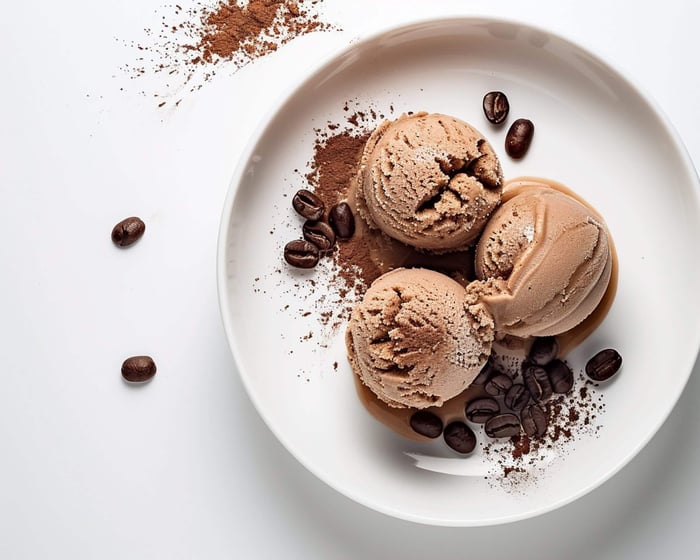
Yes, coffee ice cream does contain caffeine, but the amount varies widely depending on the ingredients and how it's made. Read on to find out how much caffeine your scoop may contain and what to look for when comparing different brands.
How Much Caffeine Is in Coffee Ice Cream?
As a rule of thumb, a standard serving lands around 25–45 mg of caffeine, but there's no single universal number. The final amount depends on the precise formulation: which coffee components went in, how they were sourced, and the volume the ice cream recipe calls for.
For reference, the Center for Science in the Public Interest puts less-dense brands like Dreyer's/Edy's or Breyers Coffee Frozen Dairy Dessert around 25 mg per serving, super-premiums like Häagen-Dazs and Ben & Jerry's at roughly 30–50 mg, and dense cold-brew or gelato products (such as Talenti's Cold Brew Coffee Sorbetto) as high as 39–84 mg.
Using "coffee ice cream" as a flavor name tells you nothing about the potential caffeine jump inside. Most commercial coffee ice cream options land in a mild-to-moderate range, falling below the total of a morning cup of coffee.
Despite this lower profile, variation between products exceeds what standard shoppers anticipate. For example, a single serving of coffee ice cream might feel like taking just a few sips of brewed coffee during the day.
Conversely, a pint made with a concentrated cold-brew base may contain significantly more caffeine. This bulkier ice cream portion can land closer to an equivalent standard cup of coffee.
Understanding these coffee ice cream caffeine levels means looking past the promotional styling on the front. That evaluation starts with checking the serving size and ingredients to estimate the caffeine content.
Key Insight: A typical serving of coffee ice cream has about 25–45 mg of caffeine though dense cold-brew or espresso-based products can rival a full cup, and larger scoops raise the total. |
Caffeine Content by Serving Size
Portion size matters more than most buyers anticipate when indulging at night. A printed nutrition panel might call half a cup a single serving, but a large scoop from a dessert shop could double that volume.
Total caffeine increases alongside that expanded size. Here is a general reference for estimated caffeine ranges across common coffee ice cream portions:
Serving Size | Estimated Caffeine Range | Comparison Benchmark |
|---|---|---|
1/2 cup (modest scoop) | Low end of range | Equivalent to a few sips of brewed coffee |
2/3 cup (standard single serving) | Low-to-moderate range | May compare to a short light-brew cup of coffee |
1 cup (large serving) | Moderate range | Approaches a standard cup of coffee |
Double scoop or pint portion | Moderate-to-higher range | May rival a small espresso drink |
This variation happens because the structural recipe alters the broader nutritional profile. In practice, multiple factors dictate the final caffeine numbers.
Why Caffeine Levels Vary by Brand or Recipe
Two coffee ice creams with similar labels can have very different caffeine levels. The specific variables creating this inconsistency represent crucial knowledge before consuming a bowl before bed:
- Brew strength/concentration: A stronger-tasting or more concentrated brew does not necessarily contain more caffeine; caffeine depends more on coffee dose and bean type than on taste strength alone.
- Extract density: Formulation potency varies by producer, meaning coffee ice cream products utilizing identical components might yield contrary experiences.
- Added sweet mix-ins: Cacao chips, dark fudge ribbons, and mocha-style inclusions each contribute small amounts of caffeine via cocoa mass.
The printed ingredient list acts as the fastest tool to cut through coffee ice cream market variability.
What Do the Ingredients Tell You About Caffeine Content?
The ingredient list is your best clue to how much caffeine a coffee ice cream may contain. Products made with real coffee, espresso, cold brew, or coffee extract generally contain more caffeine than those flavored primarily with natural or artificial coffee flavoring.
Real Coffee vs. Coffee Flavoring
Not all sweet roasted ice cream undergoes matching production methods. The attractive flavor name fails to confirm what rests inside the mix; the ingredient list.
Some premium coffee ice cream merchandise originates from actual coffee derivatives carrying tangible caffeine. Budget brands often use artificial coffee flavoring, which adds little or no caffeine.
Here is the method to sort out these formulas when evaluating an ice cream label. Components that indicate caffeine is present include the following items:
- Liquid coffee
- Concentrated espresso
- Heavy cold brew
- Liquid coffee extract
Additions that signify the coffee ice cream carries little to zero caffeine mass:
- Natural coffee flavor
- Artificial coffee flavor
- Generic "coffee-type" synthetic flavoring
Food labeling regulations do not mandate ice cream companies to list milligram counts for natural caffeine, which can be frustrating if you're concerned about your intake. This loophole means brands can use heavy concentrates without warning sensitive buyers under the nutritional facts panel. It's important to acknowledge this limitation when comparing products.
Coffee ice cream formed around natural flavor represents a distinct product from one incorporating genuine coffee extract. This functional difference remains constant even if the two tubs look similar sitting on the shelf.
Once you verify that genuine roasted coffee elements exist within the formula, determine which specific ones play a role. Espresso, cold brew liquids, and dense extract each establish their unique narrative inside the ice cream bowl.
Espresso, Cold Brew, and Coffee Extract
These three robust coffee components appear across premium coffee ice cream recipes. Each element brings a dense edge to the final ice cream mix.
Espresso is concentrated by its foundational nature. A modest splash yields a sharper flavor profile and higher comparative caffeine content per volume than standard brewed coffee.
Ice cream made with espresso has more caffeine per serving. Although two pints may be the same size, an espresso-infused version can contain more caffeine than one made with lightly brewed coffee.
Cold-brew concentrate forms by soaking ground beans at a steep ratio over an extended timeframe. The resulting dark liquid is concentrated and can contain more caffeine than traditionally brewed coffee.
Whenever cold-brew concentrate enters a coffee ice cream recipe, it drives the baseline caffeine upward. This sudden elevation sometimes exceeds what typical ice cream expectations suggest.
Liquid coffee extract acts as the trickiest formulation element to evaluate. Total caffeine potency varies depending on commercial manufacturing methods and the volume necessary for the ice cream recipe.
Certain extract formulas are thick and robust; competing manufacturer versions are diluted and mild. The basic ingredient list fails to reveal how much caffeine you face, rendering this element tough to quantify.
Beyond the dairy base itself, solid chocolate chips and rich fudge ribbons provide small amounts of background caffeine. Every active piece inside the ice cream portion adds up, and now you understand how to account for all of them.
Our #1 Pick As The Best Coffee Sample Pack
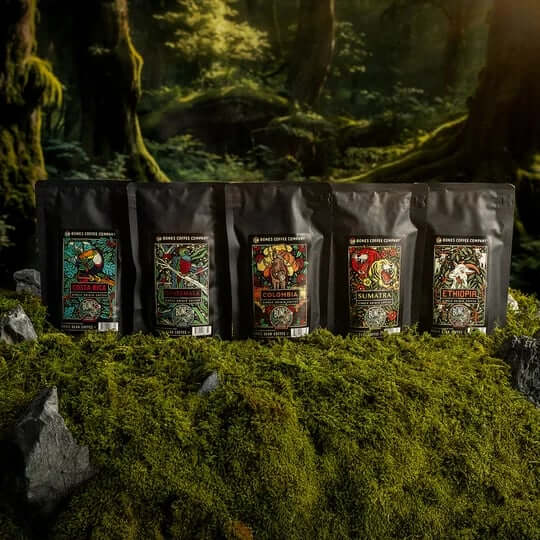 | #1 World Tour Single-Origin Sample Pack is our absolute favorite way to escape boring coffee and discover what real, single-origin beans can do. From the rich earthiness of Sumatra to the bright fruit notes of Ethiopia, every 4‑ounce bag is roasted to unlock maximum flavor and freshness. ★★★★★ |
How to Tell If Your Coffee Ice Cream Has Caffeine?
Follow these straightforward steps to gauge any coffee ice cream treat before finalizing your purchase:
- Inspect the ingredient list first: seek actual coffee, pure espresso, deep cold brew, or pure extract before trusting front marketing.
- Consult specific product pages: numerous brands disclose caffeine content or clarify whether authentic roasted coffee ingredients appear.
- Distinguish genuine bean sourcing from generic flavoring: "natural flavor" is never equivalent to steeped cold-brew concentrate.
- Calculate your planned consumption portion: compare your physical scoop size against what the manufacturer designates a single serving.
- Scan for espresso or dark chocolate mix-ins: dense swirls, chips, and fudge ribbons overlay extra caffeine on top of the coffee ice cream base.
After working through this checklist, you'll have a much better idea of whether a coffee ice cream contains caffeine and roughly how much it may contain. If you're still uncertain, homemade coffee ice cream gives you the greatest control over the final caffeine content.
Making coffee ice cream at home lets you choose the type of coffee, adjust the brew strength, or use decaffeinated coffee instead. It also gives you more control over related factors, such as coffee calories, if you're tailoring a recipe to your dietary preferences. Because you control every ingredient, you'll know exactly what goes into each batch.
Store-bought pints offer convenience, but caffeine information isn't always disclosed on the label. If you need to monitor your caffeine intake, whether for better sleep or because of personal sensitivity, homemade coffee ice cream is the most reliable way to control how much caffeine ends up in your bowl.
Enjoy a Cup of Coffee Your Way with Bones Coffee Company
Many people ask whether coffee ice cream contains caffeine because they enjoy its rich, roasted flavor. If what you love about this chilled ice cream is the robust flavor experience, a hot cup of coffee from a ceramic mug is an exceptional alternative.
Finding an authentic coffee experience in your daily mug removes the sugar crash associated with frozen dairy treats. You maintain the dynamic roasted flavor while skipping the heavy cream and excess carbohydrates, avoiding disrupted sleep at night.
Bones Coffee Company exists for this purpose: bringing creative coffee energy to every mug without complex label-checking involved. The distinctive flavor catalog reads like an expansive dessert menu that escaped a boutique bakery.
Monitor your printed ingredient breakdowns, establish your comfort zone with how much caffeine you tolerate, and recognize your exact consumption volume. For consumers who chase that coffee ice cream flavor profile, Bones Coffee Company serves the same dynamic energy straight to your daily mug. Explore our flavored light, medium, and dark roasts today!