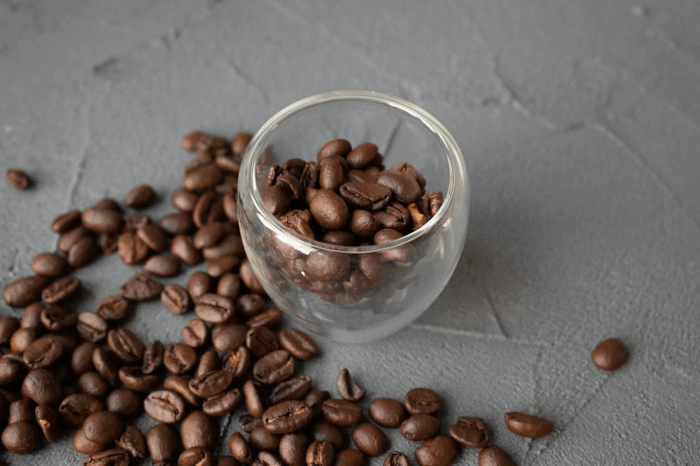
Ever found yourself staring at a bag of coffee, admiring the glossy, aromatic beans, and thinking, "Can I just eat one?" The short answer is yes. You can safely eat roasted coffee beans in moderation. Eating them offers a potent, unfiltered coffee experience, giving you a super-concentrated dose of antioxidants and a faster caffeine kick than drinking brewed coffee.
However, there is a key caution to keep in mind. It’s much easier to consume too many coffee beans this way, which can lead to jitters, anxiety, and digestive upset.
From Coffee Cherry to Crunch
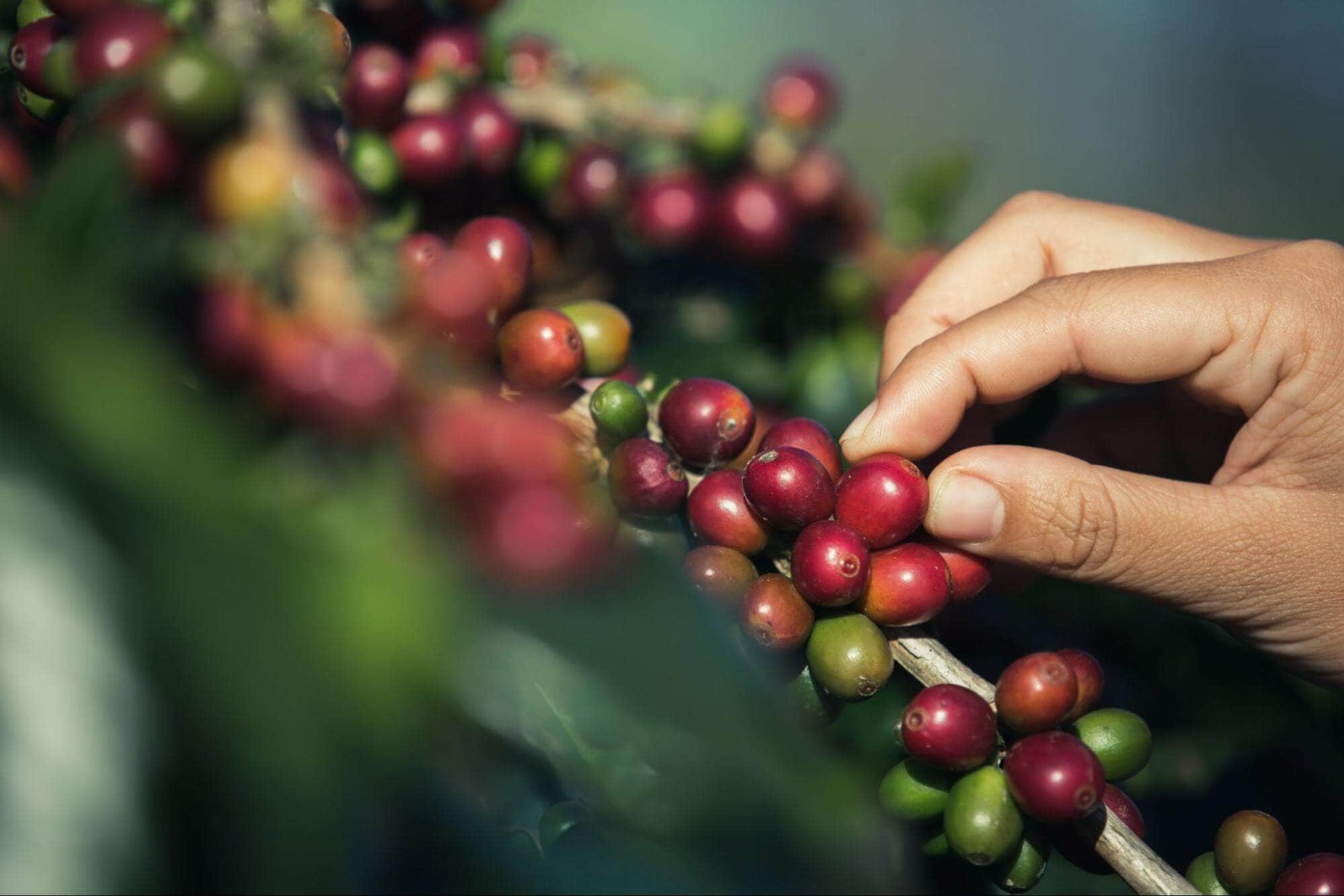
That little bean you love comes from coffee cherries. Before it's ready for a grinder, it goes from a green coffee bean to the brown, fragrant roast you recognize. The coffee roasting process unlocks its flavor and aroma, making it brittle and crunchy, as raw beans are chewy and acidic.
Beyond caffeine, roasted beans are packed with natural oils, dietary fiber, and chlorogenic acids. An unroasted bean is dense and chewy with a grassy flavor, while a roasted one is brittle and crunchy. Chocolate-covered coffee beans add a sweet, rich layer to the experience.
Type | Texture | Flavor Profile |
|---|---|---|
Raw (Green beans) | Dense, Chewy | Grassy, Acidic |
Roasted beans | Brittle, Crunchy | Varies (Fruity to Smoky) |
Chocolate-covered coffee beans | Crunchy with smooth coating | Sweet, Rich, Bitter |
Is It Safe to Eat Raw Coffee Beans?
Knowing if coffee beans are safe to eat is all about dosage. The U.S. Food and Drug Administration (FDA) states that a daily caffeine intake of up to 400 milligrams is generally safe for healthy adults. For pregnant individuals, the recommended limit is typically 200 mg per day.
An average roasted Arabica bean has about 0.9 to 1.5% dry weight of caffeine, while a chocolate-covered coffee bean can have around 12 mg. This makes tracking your intake crucial, especially since the average American consumes about 110 to 260 mg of caffeine per day, much of it from coffee.
However, always consult your doctor if you have a heart condition, take medications for anxiety, or are sensitive to caffeine.
Warning/Important: The 400mg daily caffeine limit is easy to exceed when consuming coffee beans. A handful can contain more caffeine than drinking coffee, making tracking your intake essential. |
Proven Health Benefits
Munching on beans delivers chlorogenic acids and other phenolic acids, a type of antioxidant with anti-inflammatory properties, more directly than drinking coffee. Research shows that moderate coffee consumption may be linked to a lower risk of health conditions like Parkinson's disease, type 2 diabetes, and Alzheimer's disease among some people.
The caffeine from whole roasted coffee beans is absorbed quickly through the mucous membranes in your mouth and stomach. This provides a swift boost in alertness, making it an excellent pre-workout snack. For another way to get a concentrated caffeine dose without brewing, see our comparison of caffeine pills and coffee.
Caffeine is a known thermogenic, meaning it can slightly increase your metabolic rate and help your body burn more calories. In fact, coffee is associated with many health benefits, such as supporting weight management efforts.
Caffeine can also interact with dopamine pathways in the brain. This interaction can potentially improve mood, concentration, and may even lower the risk of depression.
Potential Risks & Side Effects
While the benefits are compelling, it's crucial to acknowledge the downsides of this crunchy habit. Chewing coffee beans releases compounds that can trigger heartburn for susceptible individuals.
Coffee stimulates motilin, a hormone that speeds up gut contractions. Eating roasted coffee beans, with all their fiber, can intensify this laxative effect, so it's best to be cautious if you have a sensitive stomach.
The potent caffeine hit from eating too many coffee beans can easily lead to anxiety, restlessness, and jitters. If consumed late in the day, it can also disrupt sleep due to caffeine's long half-life. It can also interfere with certain medications, so a doctor's consultation is a must.
Roasted coffee beans are hard, and there's a real risk of chipping or cracking a tooth. Chew carefully, and be aware that the acidity can also erode tooth enamel over time.
- Acid Reflux & GERD: Can relax the lower esophageal sphincter, causing heartburn.
- Laxative Effect: The combination of caffeine and fiber can speed up digestion.
- Jitters, Anxiety & Sleep Disruption: Caused by a potent, fast-acting caffeine dose.
- Pregnancy & Drug Interactions: Caffeine intake should be limited during pregnancy and may interfere with certain medications.
- Dental Health: Hard beans can chip teeth, and their acidity can erode enamel.
Symptom | Likely Cause | How to Mitigate |
|---|---|---|
Heartburn/Indigestion | High Acidity | Eat beans with food; avoid on an empty stomach. |
Jitters/Anxiety | Caffeine Overdose | Count your beans; stay within your personal limit. |
Stomach Upset | Laxative Effect / Fiber | Start with a very small serving (2-3 beans). |
Warning/Important: Don't overlook dental risks. Roasted coffee beans are hard enough to chip or crack a tooth, and their acidity can erode enamel. |
Roasted Coffee Beans vs. Drinking Coffee vs. Grounds
How does munching on beans stack up against other forms of coffee? The main differences lie in fiber content, caffeine delivery speed, and digestive impact. Eating whole coffee beans gives you the full nutritional package, while brewed coffee extracts flavor and caffeine but leaves the solids behind.
Eating used ground coffee beans is generally not recommended due to their gritty texture and potential for causing stomach upset.
Metric | Whole Beans | Liquid Coffee | Used Coffee Grounds |
|---|---|---|---|
Caffeine | High & Fast-Acting | Medium | Low (already extracted) |
Antioxidants | Very High | High | Medium |
Digestive Impact | Crunchy fiber can be acidic | Liquid, less fiber | Gritty can cause GI distress |
Key Insight: Eating undiluted roasted coffee beans delivers the complete nutritional package. Fiber, oils, and antioxidants that brewing leaves behind, offering a more holistic and potent form of consumption. |
Which Coffee Beans Are Best to Munch?
Not all beans are created equal when it comes to snacking. Light roast and medium roast coffee beans tend to be denser with brighter, acidic flavors. A dark roast bean is more brittle and less acidic, with a bold, smoky taste that many prefer for eating.
For a truly next-level experience, explore the best coffee beans that turn a simple snack into a gourmet treat. Flavor-wise, green Arabica beans are generally sweeter and more aromatic, while Robusta beans have a higher caffeine content. If you love the crunch but not the buzz, you can also snack on decaf coffee beans.
- Roast Date: Fresher is always better for flavor and crunch.
- Bean Type: 100% Arabica is usually a good bet for taste.
- Flavor Notes: Look for descriptions that appeal to your palate.
- Origin: Single-origin beans can offer unique and distinct flavors.
The Final Crunch
So, can you eat coffee beans? Absolutely. They're a potent, flavorful, and convenient way to get your coffee fix, packed with antioxidants and a serious caffeine punch.
The key is moderation. Listen to your body, count your beans, and enjoy the crunch responsibly. If you're ready to explore a world of flavor beyond the standard brew, why not start an adventure by sampling a few unique varieties? Ready to find your favorite crunch? Check out our sample packs and discover which coffee beans will become your new obsession.