Black coffee is one of the lowest-calorie beverages you can drink, with a standard 8-oz cup containing just 2 to 5 calories. Its minimal calorie content makes it a popular choice for people watching their daily intake or trying to lose weight.
Read on to learn how serving size, roast level, brewing method, and common add-ins can affect the calorie count in your daily cup.
How Many Calories in Black Coffee by Serving Size?
No matter the mug size, unsweetened black coffee made from Arabica or Robusta beans stays low in calories from the first sip to the last. Whether your coffee beans come from Colombia or another renowned region, the takeaway is the same: coffee has a minimal calorie footprint.
Portion sizes have little impact on the overall calorie count. Let us examine common coffee serving sizes to see how many calories they contain.
| Serving Size | Approximate Calories |
|---|---|
1 oz espresso shot | ~2 calories |
6 oz drip coffee | ~2 calories |
8 oz standard mug | ~2-5 calories |
16 oz large/travel cup | ~4-10 calories |
Picture a typical schedule: an 8-ounce coffee mug in the morning, a second cup at lunch, and a large travel bottle for the afternoon. Combine those numbers, and the total comes to between 8 and 20 calories across all three cups per day.
This total proves trivial, meaning you consume fewer calories overall. That highlights the advantage of keeping your roasted black coffee unadorned. Drinking a cup in the evening might disrupt sleep, but it will not disrupt your diet. Black coffee requires no modification and no complex math, making it easier to track than other beverages.
Darker coffee roasts carry more bitterness but not more calories. A bitter taste comes from roasted ground beans, not hidden macronutrients.
Key Insight: Across all common serving sizes, black coffee adds almost nothing to a daily calorie budget. Even three cups total to fewer than 20 calories. |
Why Is Black Coffee So Low in Calories?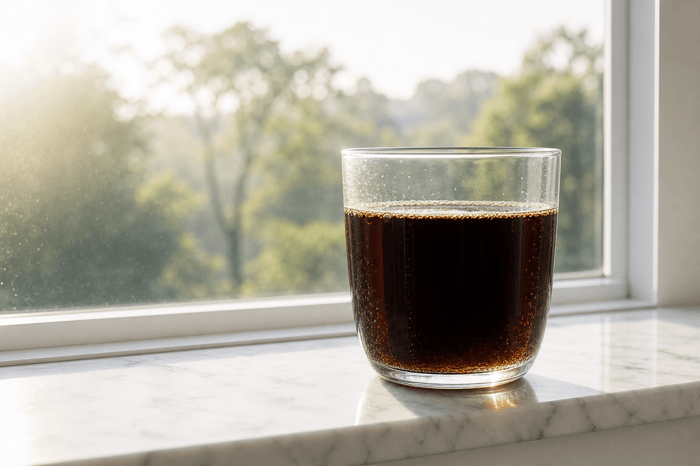
Regular black coffee consists of 98 to 99 percent water. The remaining fraction contains dissolved compounds, including chlorogenic acid, and other bioactive substances.
When consumed plain, it contains virtually no fat, protein, carbs, or added sugar. There is little in the coffee cup to count, leading to fewer calories per serving.
That composition makes this black coffee drink a natural fit for a health-conscious routine. Caffeine serves as a mild stimulant that can support metabolism, which helps explain why a cup of black coffee feels energizing.
The coffee fluid also contains antioxidants and minerals like potassium, niacin, riboflavin, and magnesium that contribute to wellness benefits. Studies suggest moderate coffee consumption may offer more health benefits, improving brain function and possibly protecting against cognitive decline.
Research notes potential links between regular coffee intake and a reduced risk of conditions like Alzheimer's disease, Parkinson's disease, and liver cirrhosis. Additional evidence suggests that regular coffee drinkers may have a lower risk of developing type 2 diabetes, heart disease, and certain types of cancer.
Preparation style makes little difference to the final coffee calorie content. Exploring these mechanics ensures you never second-guess your black coffee brewing choices.
Skip the sugar and cream. These single-origin black coffees from Bones Coffee Company deliver bold, adventurous flavor with virtually zero calories. Taste the difference that a fresh, small-batch roast makes in every cup.
| #1 The Bright & Fruity One | #2 The Smooth & Balanced One | #3 The Bold & Smoky One |
|---|---|---|
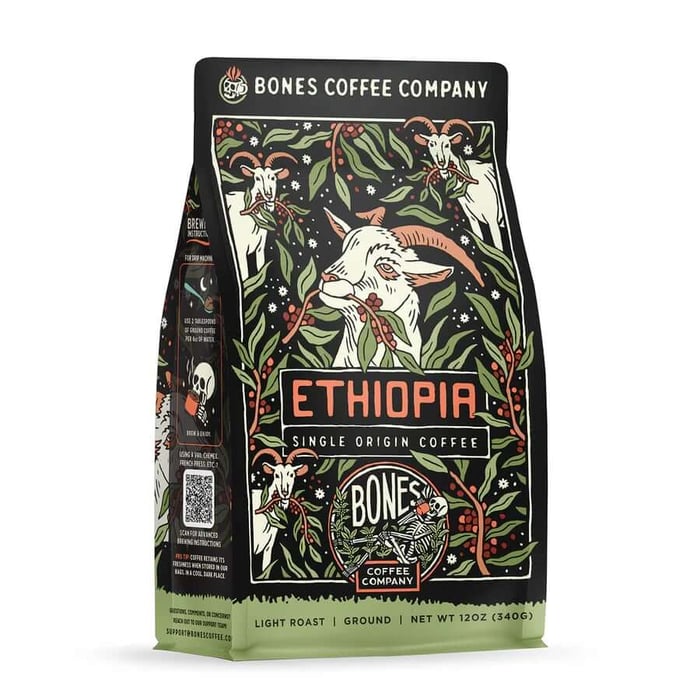 | 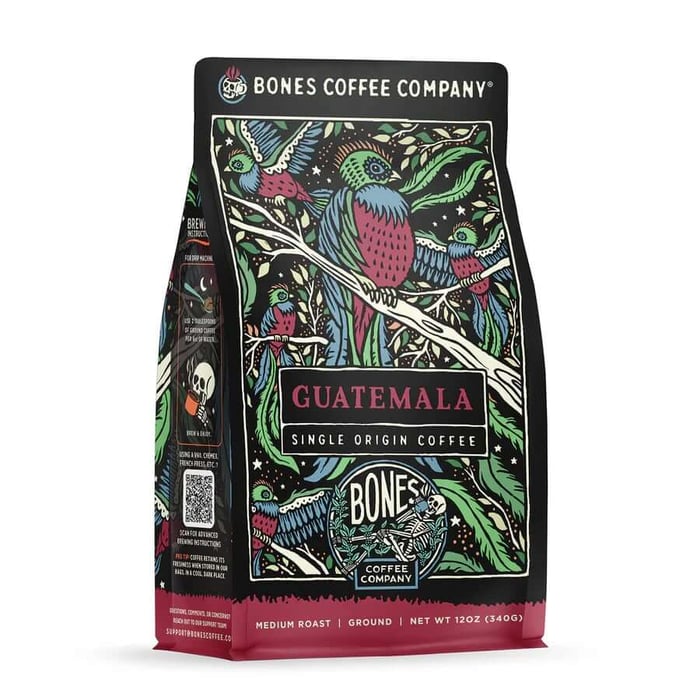 | 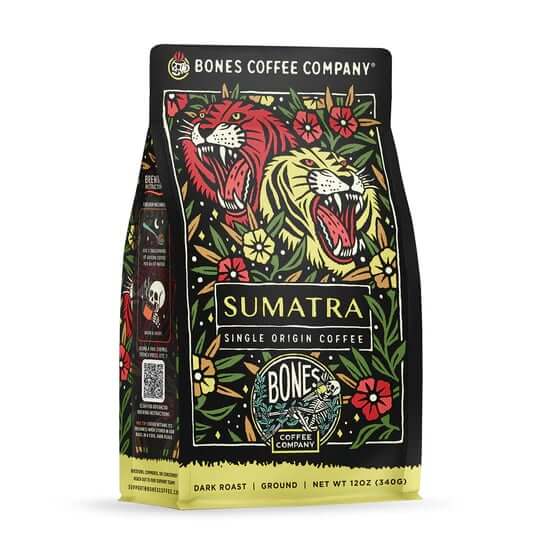 |
Ethiopia Single-Origin Coffee | 12oz | Guatemala Single-Origin Coffee - 12oz | Sumatra Single-Origin Coffee - 12oz |
|
|
|
What Adds Extra Calories to a Cup of Coffee?
Plain black coffee is not the issue, as it provides a near-zero-calorie baseline. The beverage itself is fine for strict diets focused on weight loss.
What changes the picture is what gets stirred, poured, or pumped into the mug. The identical coffee cup tells a different story depending on what follows.
Sugar and Sweeteners
One teaspoon of added sugar adds an estimated 16 calories. That sounds minor until the math catches up.
Two teaspoons per serving, twice a day, for a month, comes to 1,920 additional calories from sucrose alone. Non-nutritive sweeteners like stevia, monk fruit, and sucralose keep the calorie count near zero, though they do change the flavor profile.
The choice comes down to what matters more in your routine: added sweetness or a more natural cup. A dash of cinnamon or honey provides an alternative balance for mindful drinkers seeking health benefits.
Cream, Milk, and Half-and-Half
Dairy additions can raise the calorie total faster than most people expect. This fact multiplies when the pour goes unmeasured.
Here is the approximate calorie count per two tablespoons for common dairy choices. Knowing these numbers keeps your morning pour precise.
- Whole milk: ~20 calories
- Half-and-half: ~40 calories
- Heavy cream: ~100 calories
A splash means different things depending on who is doing the pouring, creating an untracked coffee energy source. Plant-based milk options and oat milk alternatives have varying nutrient profiles, so checking the label is worth the momentary pause.
Almond milk might offer a lighter footprint, while non-fat milk or skim milk provides a middle ground. Adding sugar, milk, half-and-half, soy milk, or whole milk can quickly increase the calorie content of your coffee.
Flavored Syrups
Flavored syrups, whipped toppings, and dessert-style coffee extras represent the biggest ambush in café culture. A single pump of vanilla syrup contains about 20 calories, and most popular coffee drinks use three to five pumps.
Whipped cream adds another 60 to 100 calories to your coffee, depending on the quantity. A signature blended iced coffee can contain anywhere from 400 to more than 600 calories before you even leave the counter.
An original dark roast coffee does not cause the spike; the additions did. Keeping your order basic serves as the strongest defense against accidental sugar crashes and extra calories.
Warning/Important: Flavored syrups, whipped cream, and dessert add-ins can turn a near-zero-calorie black coffee into a 400-600+ calorie drink before you leave the counter. The coffee isn't the culprit; the extras are. |
Can Coffee Reduce Belly Fat?
Coffee cannot directly burn belly fat or target fat loss in a specific area of the body. However, black coffee may support overall weight management when consumed as part of a healthy lifestyle.
Potential benefits of black coffee include:
- Temporary metabolism boost: Caffeine can slightly increase the number of calories your body burns at rest.
- Improved exercise performance: Coffee may enhance endurance and energy levels, helping you stay active longer.
- Better appetite control: Some people experience reduced hunger for a short period after drinking coffee.
While these effects can contribute to weight-loss efforts, maintaining a balanced diet, exercising regularly, and getting enough sleep remain the most effective ways to reduce excess body fat, including around the abdomen. For more information, see our comprehensive guide on coffee health benefits.
Enjoy Bold, Low-Calorie Flavor with Bones Coffee Company
Black coffee proves that a satisfying beverage does not need to come with a high calorie count. With black coffee calories ranging from just 2 to 5 per cup, it delivers rich flavor, antioxidants, and an energy boost while fitting easily into most wellness routines.
If you want to keep your coffee habit low in calories without sacrificing taste, Bones Coffee Company offers small-batch light, medium, and dark roasts with no added sugar or unnecessary ingredients. Available in whole bean, ground, and single-serve pod formats, these coffees make it easy to enjoy a flavorful cup while staying aligned with your wellness goals.
Explore a variety of roasts and get your own sample pack to discover a black coffee you'll look forward to drinking every day.