Are espresso and coffee beans actually different? The short answer is no; they are botanically the same bean. The real difference lies in the roast level, the grind, and the specific brewing method they’re destined for.
It's not about the bean itself, but the journey it takes from green seed to glorious cup. In 2023, the National Coffee Association reported that two-thirds of American adults drink coffee each day, making this distinction an important one for many households.
So, what sets espresso and coffee beans apart? In the next few minutes, you’ll discover the simple science that transforms an ordinary coffee bean into two very different taste experiences.
From Coffee Cherry to Your Cup
Every coffee bean starts as the seed of a fruit called a coffee cherry. The two most famous species are Arabica beans, known for their complex and aromatic profiles, and Robusta beans, which have more caffeine and a bolder taste.
The green coffee cherry is a blank canvas holding all the potential for flavors that roasting will later unlock. According to the USDA Foreign Agricultural Service, countries like Brazil are major producers, with a total production forecast of 65 million coffee bags for 2025/26.
“Espresso bean” is a marketing and roasting term, not a botanical one. When you buy a bag of espresso coffee beans, you’re getting beans roasted to perform best under the intense pressure of an espresso machine.
This is usually a medium-dark to dark roast, which brings out chocolatey, caramelized flavors, reduces acidity, and helps create a thick, stable crema.
When you see these terms, think "roasted for intensity":
- Italian Roast: Typically a very dark, oily roast.
- French Roast: Another dark roasted coffee, often smokier in flavor.
- Espresso Blend: A roaster's specific recipe of beans designed for espresso.
Key Insight: ‘Espresso bean’ isn't a botanical type but a roasting term. It signals a bean profile, often a blend, specifically crafted to produce a balanced, rich flavor, and crema-topped shot under high pressure. |
Roast Level of Espresso Beans vs Coffee
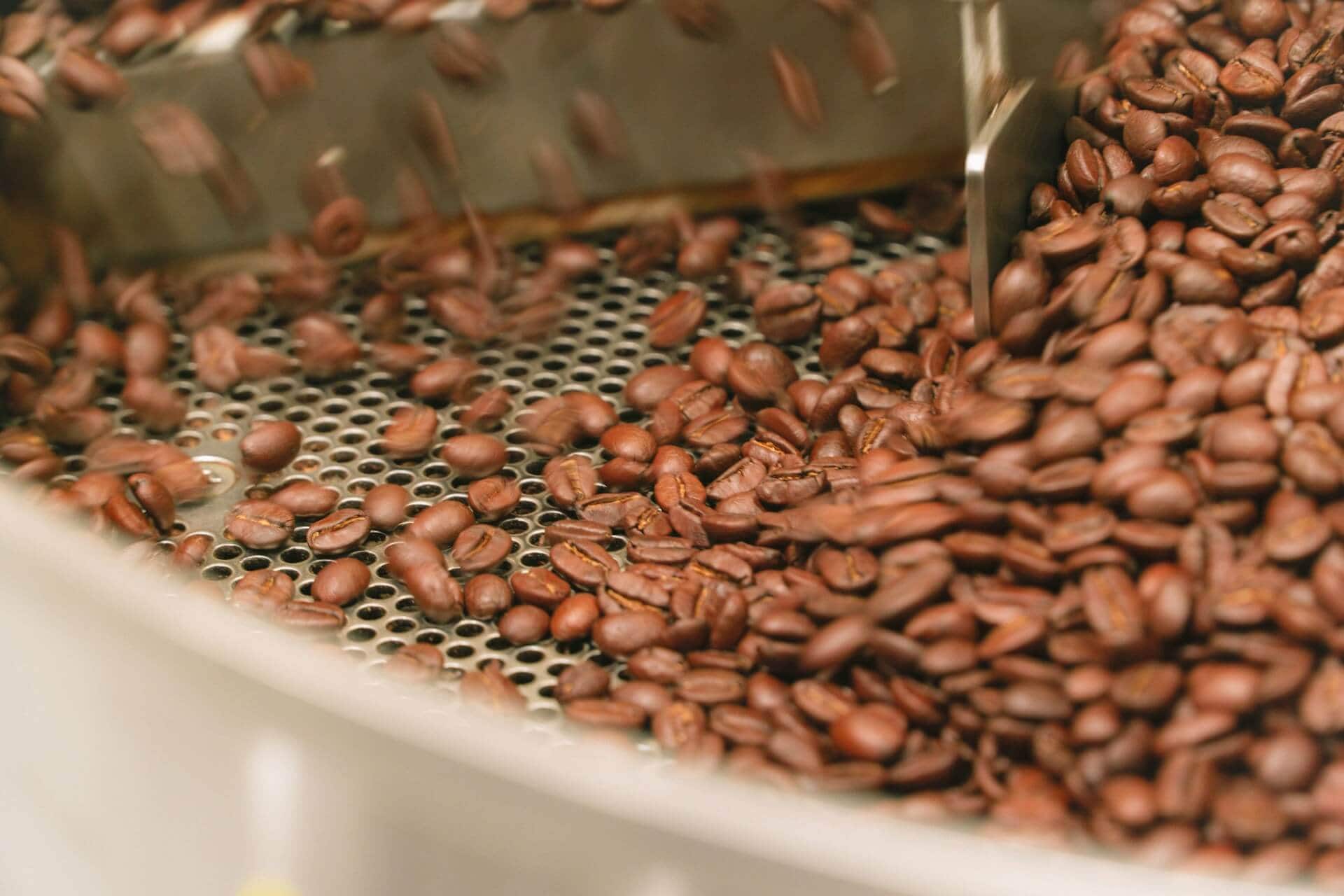
Roasting is where a coffee bean’s personality comes to life. A light roast preserves the bean's origin flavors, which are often bright, fruity, and acidic. As the roast level progresses to medium, you get more balance with caramel and nutty notes. If you're still deciding where to land, our guide to the traditional coffee roasts walks through each level in detail. A dark roast coffee breaks down the bean’s structure further, creating the bold, low-acidity profile commonly associated with espresso.
While many associate espresso with dark roasted coffee, this is a myth. Any roast level can be used for brewing espresso, as the high-pressure method simply amplifies whatever flavors are present in the bean. A light roast espresso will be bright and complex, while a dark roast will be rich and bold.
Grind, Gear & Pressure
You can have the perfect "espresso roast," but if your grind is wrong, you'll get a terrible shot. Espresso extraction is incredibly fast, so you need a very fine, consistent grind to get a balanced flavor. A grind that's too coarse will result in a sour, under-extracted shot, while one that's too fine will choke the machine and produce a bitter taste.
What makes espresso unique is pressure. An espresso machine forces hot water through a finely-ground puck of coffee at around 9 bars of pressure. This intense process emulsifies the bean's oils and dissolves solids, creating the concentrated coffee we crave.
That beautiful layer on top, the crema, is formed when these oils are suspended in a micro-bubble foam of carbon dioxide.
Warning/Important: Never use pre-ground drip coffee in an espresso machine. The grind is too coarse and will result in a sour, watery espresso shot. A consistent, fine grind is non-negotiable for true espresso. |
Practical Guidance for Brewing Coffee
No machine? No problem. You can explore how to make coffee without a coffee maker to get close to the intensity with a few clever tools. These alternative methods for brewing coffee can produce surprisingly rich results:
- Moka Pot: This stovetop classic uses steam pressure to create a strong, concentrated coffee brew.
- AeroPress: Using the "inverted" method and a fine grind, you can create a short, powerful shot.
- Handheld Espresso Maker: Gadgets use a hand-pump to generate real pressure for a surprisingly legitimate shot.
The best way to find your perfect shot is to experiment. Stop guessing and start tasting with our favorites sampler pack!
Common Espresso Misconceptions
Myth: There’s no difference between espresso beans and ordinary coffee beans.
Fact: While they are from the same plants, the "espresso" label signifies intent. The beans for espresso have been roasted and blended to excel under high pressure, emphasizing sweetness and body while taming acidity. You can use any bean, but one labeled for espresso is a safer bet for classic results.
Myth: Espresso is always darker and has a bitter taste.
Fact: Modern specialty coffee shops often feature light and medium roast single-origin beans as espresso. This highlights unique origin notes, like the berry flavor of an Ethiopian Yirgacheffe, creating a bright, complex shot with an intense flavor profile. This is different than a simple sugar cookie coffee, which relies on added flavor.
Myth: You should only buy darker roasted coffee for espresso and light roasts for drip coffee.
Fact: This is a guideline, not a rule. A light roast pulled as an espresso can be a revelation, and a dark, oily French roast can make a fantastic cold brew coffee. Your palate is the only judge that matters, so don't be afraid to experiment with different brewing methods.
Espresso Beans Vs Coffee Beans
Factor | Regular Coffee Bean | Espresso Bean |
|---|---|---|
Roast | Light to Medium | Medium-Dark to Dark |
Grind | Coarse to Medium-Fine | Very Fine |
Pressure | Low (Gravity) | High (9 bars) |
Flavor Intensity | Mellow, nuanced | Concentrated flavor, bold |
Any Bones Coffee roast can shine as an espresso. Just adjust your grind and dose to match the bean's unique character. You could even try making a pistachio latte or a pumpkin spice latte with an unexpected bean.
What Are Your Sip-able Next Steps?
So, are espresso beans the same as regular beans? Yes, they start from the very same plant. The espresso beans vs coffee distinction comes from human touch: the roaster's craft, the barista's grind, and the brewer's method. "Espresso bean" isn't a type of bean; it's a style of preparation built for the intense flavor of the espresso shot.
Now that you’re armed with this knowledge, the coffee aisle is no longer a place of confusion but a field of opportunity. Don't let labels limit your creativity or stop you from trying a fun recipe like S'mores coffee. The best cup of coffee is the one you love to drink, no matter what it says on the bag.
Ready to put your knowledge to the test? Join the Bones Coffee flavor quest and grab our favorites sampler pack to taste the full spectrum for yourself. Your perfect shot is waiting to be discovered.