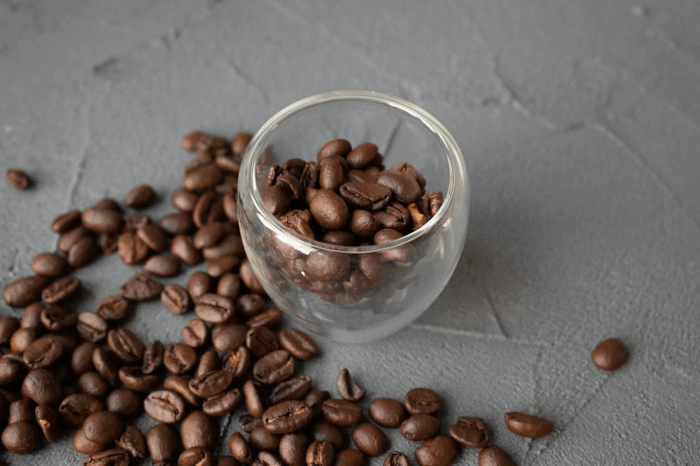
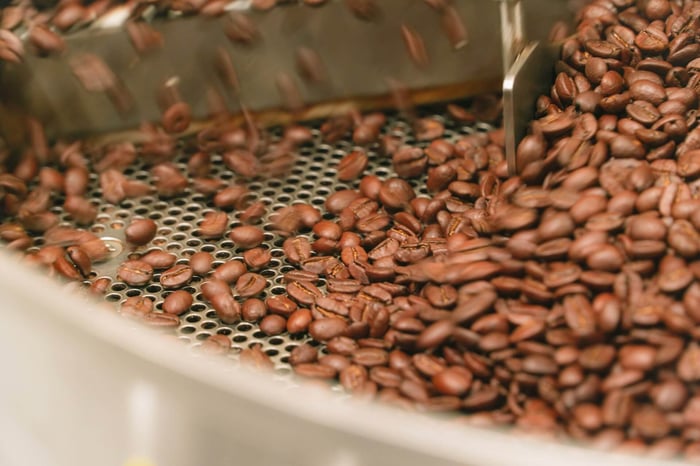

Ever found yourself with a bulk bag of glorious coffee beans, only to watch their vibrant aroma fade before you could brew it all? You're not alone.
So, can you store coffee beans by freezing them and actually save their soul? Yes, you can absolutely freeze coffee beans, and when done correctly, it's an excellent method for locking in flavor for months.
Is your mug ready for a deep-freeze brew-venture? Let's unlock the secrets to preserving every last drop of flavor.
Why Fresh Coffee Goes Stale So Fast
Before we open the freezer door, let's understand the enemy. Freshly roasted coffee is a beautifully volatile thing, fighting a battle against time from the moment it leaves the roaster. The primary culprits behind its rapid decline in peak freshness are internal chemistry and external forces.
First, there's off-gassing, where freshly roasted beans release carbon dioxide and precious aromatic compounds after roasting. After this peak, the second enemy, oxidation, takes over. Oxygen attacks the delicate lipids and aromatic oils in the coffee, creating a rancid, flat taste much like a cut apple turning brown.
Finally, coffee is highly porous and susceptible to four external enemies: heat, light, moisture, and odors. Storing beans in clear mason jars or airtight containers on your sunny kitchen counter is an invitation for them to go stale. The most volatile, delightful aromas are the first to escape, meaning the flavor has been compromised long before your nose detects it.
Key Insight: Coffee's biggest enemies are oxygen and moisture. Once roasted, every moment exposes delicate oils to significant degradation. Your storage method is a direct defense against flat, cardboard-like flavor. |
Should You Freeze Coffee? Pros & Cons
Freezing isn't a one-size-fits-all solution. The biggest advantage is longevity, as it dramatically slows down the oxidation process. This allows you to buy whole beans in bulk or preserve freshness for longer periods, which is ideal for those who love rotating through different flavors.
However, the freezer has its dark side, with condensation being the primary risk. When you remove cold beans, moisture from the air can cling to them, accelerating staling once thawed. There's also a risk of freezer burn if packaged improperly and a slight chance of muting the most delicate aromas.
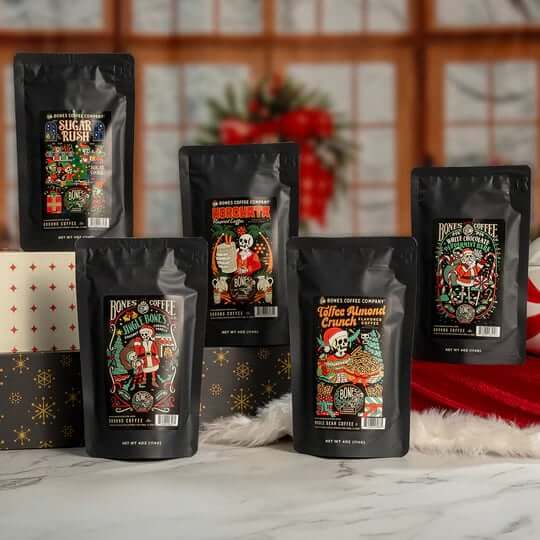
Freezing is perfect for locking in the unique magic of limited-run flavored coffees. Imagine pulling out a bag of pumpkin spice latte beans in spring or enjoying a cozy cup of a White Peppermint Mocha long after the holidays. The freezer becomes your personal optimal flavor vault.
The Science Behind Freezing Coffee Beans
So, what's actually happening at a molecular level? When you freeze coffee beans, you're essentially pressing pause on the chemical reactions that cause staling. Research confirms that significantly cold temperatures drastically reduce the rate at which volatile organic compounds, which are responsible for aroma and flavor, escape.
Studies show that freezing coffee beans, especially dark roast varieties, helps to maintain the intensity and pleasantness of coffee aroma. At a standard freezer temperature, molecular activity slows to a crawl, preserving the flavor profile for longer periods. By dropping the temperature, you lock the flavor compounds in place until you're ready to brew. This is why storing beans in the freezer has become a common method among serious coffee enthusiasts.
A common myth is that freezing makes beans brittle and harms extraction, but this is unfounded. In fact, some evidence suggests that grinding frozen beans can lead to a more uniform particle size, potentially improving extraction consistency. Research also shows that roasted coffee beans stored in the freezer can help preserve the aroma of specific varieties.
 |  |
|
|
How to Freeze Freshly Roasted Coffee Beans
Success lies in the details. A sloppy approach will ruin your beans, but a careful process will reward you with a delicious brew weeks or months later. Follow these steps precisely for the best results.
1. Portioning & Prepping
Never freeze a large, multi-use bag. The key is to portion beans into smaller quantities to minimize air exposure for the remaining frozen stock. Create small packets of whole beans, enough for a few days at most. Ensure they are completely dry before packaging to prevent ice crystals from forming and causing cell damage.
2. Packaging in Artight Coffee Bags
Your goal is to create an airtight, moisture-proof barrier against oxygen. Vacuum sealing is the gold standard, but using double-bagging with high-quality freezer zip-top bags is a good alternative.
One-way valve bags offer an excellent middle ground by allowing CO2 to escape while keeping oxygen out. Always label each packet with the coffee's name, flavor notes, and the date it was frozen.
Method | Key Benefit | Protection Level |
|---|---|---|
Vacuum-Sealing | Removes all oxygen; best preservation | Excellent |
Double Zip-Top Bag | Accessible and convenient | Excellent |
One Way Bag | Releases CO2, blocks oxygen entry | Good |
3. Freezer Setup & Temperature Control
Place your sealed packets in the deepest, coldest part of the freezer, like a rear corner, and avoid the door where temperatures fluctuate. Keep the coffee away from pungent items like frozen fish or onions, as odors can penetrate packaging over time. A simple kitchen thermometer can help you monitor your freezer's consistency.
Pro Tip: Vacuum-sealed bags are your best friend. Removing all oxygen before freezing is the single most effective step to prevent freezer burn and lock in those volatile aromatic compounds for months. |
Common Mistakes to Avoid

A few wrong moves can turn your flavor-saving mission into a disaster. Avoid these common blunders to ensure every cup is a good one, whether it's a smores coffee or a classic espresso.
- Refreezing: Never refreeze coffee beans once they have been thawed. The repeated temperature change will destroy their cellular structure and create a woody, lifeless taste.
- Slow Thawing in an Unsealed Bag: Opening the bag before it's at room temperature is a direct invitation for condensation to ruin your beans.
- Freezing Pre-Ground Coffee: Ground coffee has exponentially more surface area, making it far more susceptible to freezer burn and odor absorption.
- Storing Near Pungent Foods: Coffee is like a sponge for odors. Keep it isolated in a dark place within your freezer.
- Ignoring the Roast Date: Even frozen beans have limits. Check the roast date before freezing. Beans past their prime won't magically improve.
Preserve Unique Flavors for Months of Enjoyment
Freezing coffee beans is a game-changer for bulk buyers, variety lovers, and anyone who wants to build a library of unique flavors to explore over time. When done correctly, it's your secret weapon for locking in that fresh-roasted magic for months, not days.
However, if you buy a coffee bag every week and finish it promptly, the effort is likely unnecessary. Ready to embark on a new flavor journey? Freeze a favorites sampler pack so every morning feels like a fresh brew-venture.