When comparing caffeine in Red Bull vs. coffee, the latter is usually the stronger choice per serving when the goal is sustained alertness. An 8-ounce cup of brewed coffee contains about 95 to 200 mg of caffeine, while a regular 8.4-ounce can of Red Bull has 80 mg.
In this article, we’ll break down how much caffeine each drink contains, what affects those levels, and which option may fit best into your daily routine.
How Much Caffeine Is in a Red Bull Energy Drink?
Red Bull is one of the most popular energy drink brands, but it contains less caffeine than many people expect, especially compared to coffee.
A standard 8.4-ounce can has 80 mg of caffeine and about 27 grams of sugar. Sugar-free Red Bull contains roughly the same amount of caffeine, even without the added sugar.
For context, 80 mg is on the lower end of the FDA’s recommended daily caffeine limit of 400 mg for healthy adults, representing only a fraction of that recommended daily value.
Red Bull also contains ingredients like taurine and added B vitamins, making it a more processed energy source than coffee, tea, or hot chocolate.
Its sweet taste can make it feel more powerful than it is, but much of that quick boost comes from sugar rather than caffeine alone. The combination of caffeine and sugar may contribute to energy fluctuations later in the day for some people.
Red Bull Size | Caffeine Content |
|---|---|
8.4 oz (standard) | 80 mg |
12 oz (larger can) | ~114 mg |
16 oz (XL can) | ~151 mg |
While 80 mg may be enough for a quick boost, coffee usually delivers significantly higher caffeine per serving.
How Much Caffeine Is in Coffee?
Coffee is one of the world's most widely consumed stimulants, and the extraction method plays a major role in how much caffeine ends up in your cup.
Let’s look at three common coffee preparations and how their caffeine levels compare.
Brewed Black Coffee
A standard 8-ounce cup of brewed drip coffee contains 95 to 200 mg of caffeine per serving, making it a stronger option than most popular energy drinks.
Freshly roasted coffee can offer excellent flavor and a consistent caffeine source, making drip coffee a popular alternative to energy drinks.
Espresso Drinks
A single shot of espresso contains about 63 mg of caffeine in just 1 ounce, making it one of the most caffeine-dense forms of coffee.
Most espresso-based drinks use two to three shots, so a latte or americano often delivers 126 to 189 mg of caffeine. That means even a basic double shot typically contains higher caffeine levels than many standard energy drinks.
Espresso offers a concentrated, flavorful boost and serves as the base for many popular coffee shop drinks. Its pressure-based extraction creates a rich, potent coffee with strong flavor and a solid caffeine kick.
Cold Brew
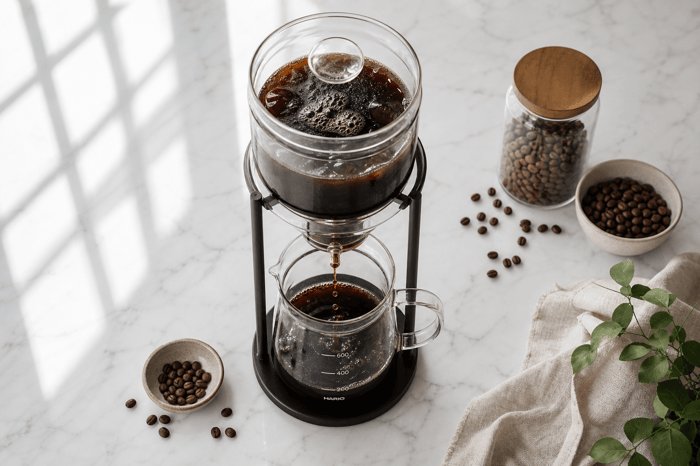
Cold brew is steeped for 12 to 18+ hours, which often gives it a higher caffeine concentration than standard hot-brewed coffee.
A 16-ounce serving typically contains around 200 mg of caffeine, making it one of the strongest coffee options for regular consumers. It also has a naturally smooth, slightly sweet flavor that often requires no added sugar or milk.
Because it delivers strong energy without the sugar spike of many sweetened drinks, cold brew is a popular choice for long workdays, workouts, or anyone looking for a powerful coffee option.
Our #1 Pick As The Best Coffee Pack for Flavor Exploration
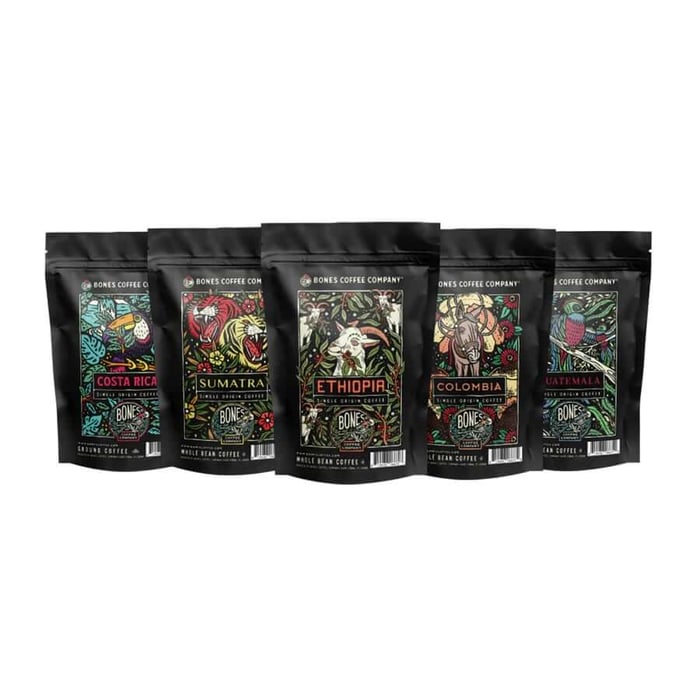 | World Tour Single-Origin Sample Pack is a strong option for those who want to explore a variety of single-origin coffees. The set showcases five distinctive single-origin coffees sourced from Sumatra, Costa Rica, Colombia, Ethiopia, and Guatemala. ★★★★★ |
Does Serving Size Matter for Coffee and Red Bull?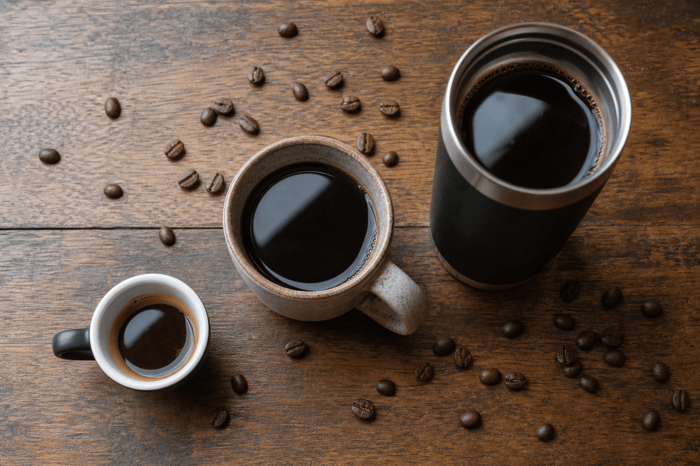
Yes. Comparing caffeine by total serving alone can be misleading, as different drinks are consumed in different amounts. Looking at caffeine per ounce provides a more accurate way to compare the strength of different caffeinated drinks.
The table below breaks down caffeine concentration across several popular options. Keep in mind that serving habits matter too.
Drink | Serving Size | Caffeine | Per Oz |
|---|---|---|---|
Red Bull | 8.4 oz | 80 mg | ~9.5 mg |
Brewed Coffee | 8 oz | 95-200 mg | ~12-25 mg |
Espresso (2 shots) | 2 oz | 126 mg | ~63 mg |
Cold Brew | 16 oz | 200 mg | ~25 mg |
Many coffee drinkers consume 12- to 16-ounce cups or multiple servings a day, which can push total caffeine well beyond a single can of Red Bull.
Key Insight: When compared by caffeine concentration, brewed coffee generally contains more caffeine per ounce than Red Bull. |
What Affects Caffeine Levels in Coffee?
Not all coffee is created equal in the roasting or brewing process. Three main variables, including bean type, roast style, and brewing method, determine exactly how much caffeine and energy boost you actually get in your mug.
Understanding these factors can help you make more informed decisions about your caffeine intake and brewing preferences.
Warning/Important: Dark roasts don't contain more caffeine. In fact, light roasts retain slightly more caffeine per scoop because beans are denser. Don't let the bold flavor fool you. |
Bean Type
Coffee mainly comes from two species: arabica and robusta. Robusta contains roughly twice as much caffeine as Arabica, which is why it’s often used in instant coffee and lower-cost blends.
Arabica, by contrast, is the standard for specialty coffee because it offers a smoother, more complex flavor. Many premium roasters choose high-quality arabica for taste first, even though it usually contains less caffeine.
In short, bean type affects both caffeine content and overall drinking experience: arabica is known for flavor and balance, while robusta delivers a stronger, more bitter caffeine punch.
Roast Style
A dark roast does not mean more caffeine. By weight, most roast levels have a similar caffeine content, while by volume, light roasts may contain slightly more because they are denser.
Dark roasts lose mass during roasting, which makes the beans larger but lighter. In practice, the caffeine difference between roast levels is small, while the flavor difference is much more noticeable.
So if you think a dark roast delivers a stronger caffeine hit, that’s one of coffee’s most common myths.
Brewing Method
The brewing method has a major impact on caffeine levels. Standard drip coffee usually contains 95+ mg per typical cup, while full-immersion methods like French press often extract slightly more.
Cold brew often contains high caffeine levels because of its long steep time and coffee-to-water ratio. Espresso is even more concentrated per ounce, but its small serving size keeps total caffeine more moderate.
In general, longer and more immersive brewing methods tend to produce higher caffeine extraction. Your brewing style is one of the biggest factors in how much caffeine ends up in your cup.
Red Bull vs Coffee: Which Is the Better Choice for You?
Beyond the numbers, the better choice between coffee and Red Bull depends on how each drink affects the human body, lifestyle, and daily energy level needs.
- Caffeine: Coffee usually delivers more caffeine across most serving sizes.
- Sugar: A regular Red Bull contains about 27 grams of sugar, while black coffee has none.
- Additives: Red Bull includes ingredients like taurine and added B vitamins, while coffee provides caffeine along with many antioxidants that offer health benefits for your liver and heart.
- Cost: Coffee is often more affordable per serving than Red Bull.
Red Bull may offer a quick boost, but coffee generally provides stronger caffeine for those trying to stay awake and focused, especially during their morning routine.
Energy drinks can also lead to quicker spikes and crashes, while coffee tends to offer a steadier lift and may support better physical performance over time. That steadier effect is one reason many people prefer coffee, especially once they understand how long it takes for coffee to kick in and plan their intake accordingly.
When consuming either on a regular basis, it's also important to consider the effects on blood pressure and overall heart health.
Energy drinks and coffee consumption are generally safe for most healthy adults, though individual tolerance varies. Sugar-free Red Bull reduces some health concerns but still carries the risk of other additive effects.
For those comparing coffee vs energy drinks, coffee emerges as the healthier choice due to its natural antioxidants. However, even with caffeine-free options available, it's worth weighing the pros and cons of caffeinated drinks based on your own needs.
As always, moderation matters, and people with medical conditions, caffeine sensitivities, or pregnancy-related concerns should consult a healthcare professional.
Find Your Perfect Coffee Boost with Bones Coffee Company
Coffee generally contains higher caffeine and less sugar than many energy drinks. So if you’re going to drink more coffee, it should be worth it.
Bones Coffee Company offers over 30 bold flavors to make your daily cup anything but ordinary. From fan favorites like cinnamon roll to rotating options across the lineup, each batch is small-batch roasted for freshness and flavor.
If you’re new, a sample pack makes it easy to try several blends before choosing a favorite. And if you already know what you like, flexible subscriptions help keep your go-to roasts stocked.
Bones also offers convenient single-serve pods, giving you a fast, high-quality option without settling for bland coffee. Explore the collection, try a sample pack, or stock up on your favorites.