
Cold brew and iced coffee are not the same. Cold brew is made by steeping coarse coffee grounds in cold water for 12 to 24 hours, while iced coffee is brewed with hot water and then cooled over ice.
Read on to compare their flavor, acidity, caffeine content, brewing methods, and prep time to determine which best fits your taste and routine.
How Cold Brew and Iced Coffee Compare
In a glass filled with ice, cold brew and iced coffee can look nearly identical. From ground coffee to the finished cup, these drinks follow separate brewing paths.
We’ve broken down five factors that matter most when deciding which cold coffee belongs in your fridge.
Feature | Cold Brew | Iced Coffee |
|---|---|---|
Brewing Method | Cold water, long steep | Brewed hot, then chilled |
Flavor Profile | Smooth, mellow, rounded | Bright, sharp, classic coffee bite |
Caffeine | Depends on the ratio and dilution | Depends on brew strength and dilution |
Acidity | Lower perceived sharpness | Higher perceived brightness |
Prep Time | 12 to 24 hours (batch-friendly) | Minutes (single serve) |
Best Use Case | Make-ahead, grab-and-go | Quick cup, immediate craving |
Brewing Methods
Cold brew uses cold water and time; iced coffee uses heat and ice.
Cold brew coffee offers a hands-off approach using coarse grounds, cold water, and 12 to 24 hours of steep time. Once ready, the concentrate is strained without requiring special equipment or machines. For more information, check our guide on how to make cold brew coffee.
Iced coffee takes the opposite route. Baristas brew regular hot coffee using a French press, drip coffee maker, or espresso machine, often at a stronger ratio, then immediately pour it over ice cubes to drop the temperature.
Cold brew plays the long game, whereas iced coffee acts as the fast solution. Both brewing methods deliver a refreshing drink on separate schedules with distinct payoffs.
Many coffee enthusiasts experiment with different filters to find their preferred clarity. Paper filters provide a crisp body for cold brew, whereas metal versions allow natural oils to pass through for a richer mouthfeel.
Hot water brewing causes rapid extraction, pulling flavors and compounds from the grounds within seconds. This hot extraction creates the aroma associated with regular brewed coffee before it is poured over ice.
Taste
Cold brew tastes smooth and mellow; iced coffee tastes bright and sharp.
The slow, cold steeping process creates a naturally sweet, rounded flavor with minimal bitterness. This smooth body often surprises drinkers who expect to add sugar but find they don't need it.
Iced coffee retains the punchy, lively character of traditional hot coffee. The hot brewing method extracts brighter acids and bolder flavors, delivering that classic coffee bite even after chilling.
Neither beverage is inherently better; cold brew and iced coffee simply suit different taste preferences. Cold brew enthusiasts appreciate the soft, gentle base that highlights floral and chocolate notes without bitterness. Iced coffee lovers prefer the vibrant, familiar snap of their morning cup served cold.
Caffeine Content
How much caffeine is in both drinks depends largely on concentration and dilution, not just the brewing method itself.
Cold brew is not automatically higher in caffeine than iced coffee. The final caffeine content depends on your coffee-to-water ratio, steep time, and how much you dilute the finished product.
Undiluted cold brew concentrate typically packs more caffeine per ounce, but most people dilute it with water, milk, or ice before drinking. A double-shot iced latte made with espresso can easily contain more caffeine than a diluted cold brew.
Home brewers control the strength by adjusting their ratio. Coffee shops often serve cold brew concentrate mixed with ice, delivering a stronger caffeine kick than expected from its smooth taste.
The mellow flavor of cold brew doesn't indicate weakness; it can deliver substantial caffeine based on preparation. Understanding your recipe helps manage intake throughout the day, whether you're drinking cold brew concentrate or flash-chilled iced coffee.
Acid Levels
Cold brew has lower acidity; iced coffee has higher acidity.
Cold water extraction pulls different compounds from coffee beans than hot water does. This gentler process creates a less acidic beverage that's easier on sensitive stomachs and tastes smoother when consumed black.
Hot-brewed iced coffee retains the original acidity from heat extraction. This creates a brighter, more acidic taste that many coffee lovers seek: the classic "bite" of morning coffee, preserved even when served cold.
Both brewing methods showcase different elements of the same beans. If you experience stomach discomfort from regular coffee, switching to cold brew offers a practical solution. If you love the complex fruity notes and bright acidity of lighter roasts, iced coffee delivers those flavors intact when flash-chilled over ice.
Prep Time
Cold brew takes 12 to 24 hours but makes multiple servings; iced coffee takes minutes but serves one.
Iced coffee is the fastest solution for immediate cravings. Brew hot coffee, pour it over ice, and you have a cold drink in minutes.
Cold brew demands upfront patience (12 to 24 hours) but rewards you with multiple servings. One weekend batch stocks your fridge for the entire workweek. Simply pour a glass over ice each morning without touching your coffee maker.
Prepare your cold brew before bed, wake up to a finished concentrate, and skip the morning brewing routine. This batching strategy makes the long wait worthwhile for busy schedules.
Hot-brewed iced coffee remains ideal for spontaneous cravings or single servings. Mastering both methods ensures you're prepared for any schedule, whether you need grab-and-go convenience or an immediate cold caffeine fix.
| #1 The Bright Innovator | #2 The Balanced Classic | #3 The Bold Explorer |
|---|---|---|
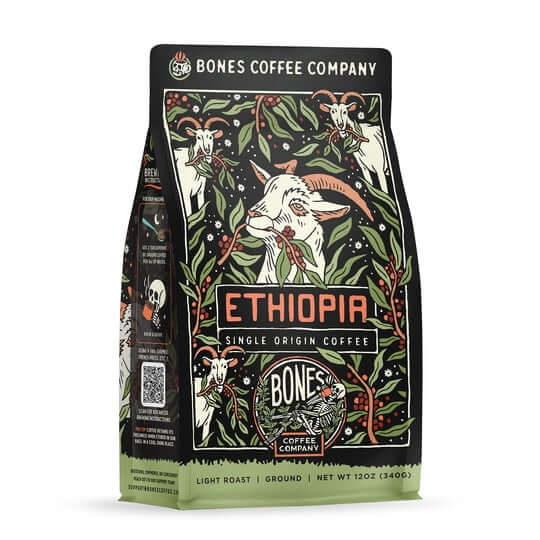 | 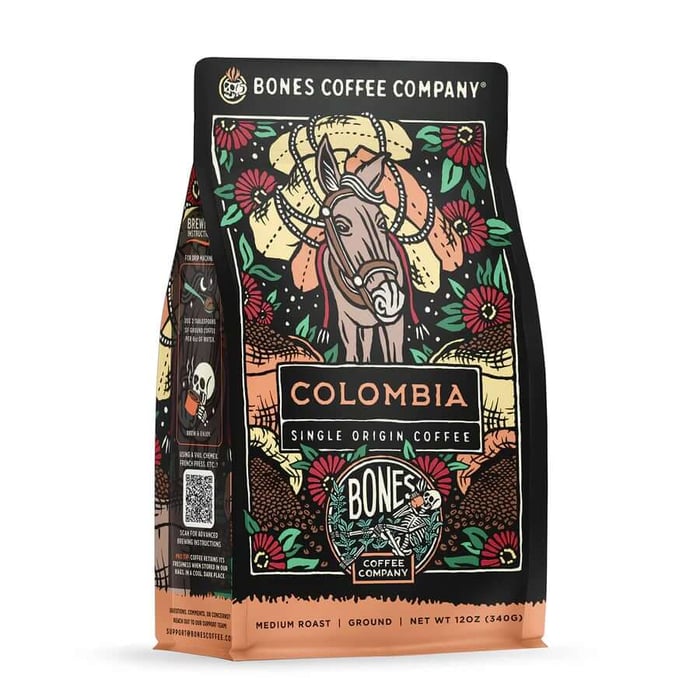 | 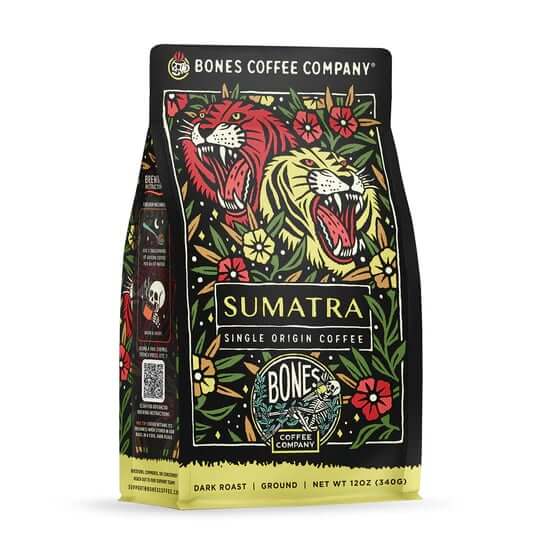 |
Ethiopia Single-Origin Coffee | 12oz | Colombia Single-Origin Coffee | 12oz | Sumatra Single-Origin Coffee | 12oz |
|
|
|
Which is Healthier, Iced Coffee or Cold Brew?
Both drinks offer the same health benefits when consumed black. The real difference comes from what you add, not how it's brewed.
Coffee itself provides antioxidants and may support metabolism regardless of temperature or brewing method. Your health outcome depends on these factors:
- Calories: Black versions contain fewer than 5 calories; added sugar, cream, and syrups change this drastically
- Caffeine tolerance: Both can be customized to your preferred strength
- Nutrient content: Antioxidants and beneficial compounds appear in both drinks
- Preparation control: Homemade versions let you monitor ingredients and portions
Neither drink has a nutritional advantage over the other. Focus on limiting added sugars and high-calorie mix-ins to keep either option healthy.
Is Cold Brew or Iced Coffee Better for GERD?
Cold brew may be a better choice for some people with GERD. Its cold-water brewing process can produce a less acidic-tasting beverage than hot-brewed coffee, which may reduce the likelihood of triggering reflux symptoms.
People with gastroesophageal reflux disease experience irritation when stomach acid flows back into the esophagus.
Hot-brewed iced coffee maintains the same acidic compounds that can relax the esophageal sphincter and worsen symptoms, even after chilling. Cold brew's smoother, less acidic profile may make it a safer option if you're prone to heartburn but don't want to give up coffee entirely.
Consult your doctor about your specific triggers, as individual tolerance varies.
Make Your Perfect Cold Coffee with Bones Coffee Company
Now that you understand the cold brew vs iced coffee difference, the choice is yours. Cold brew delivers smooth, low-acid refreshment through patient steeping, while iced coffee brings bright, bold flavor in minutes. One rewards planning with batch convenience; the other satisfies immediate cravings with quick preparation.
Bones Coffee Company carries over 30 unique coffee options, from medium roasts that work beautifully for both methods to dark roasts that bring rich chocolate notes to your cold brew concentrate. Explore our selection to find the perfect roast for your next cold coffee creation.