No, dark roast coffee does not have more caffeine than light roast coffee. In fact, roast level has very little effect on caffeine content. Small differences may appear depending on whether coffee is measured by weight or volume.
Let’s look at what actually determines caffeine content and how to choose the right roast for your taste, not just for the jolt. If you're still deciding, start with our guide to picking the right coffee for your taste.
Why Does Dark Roast Taste Stronger in a Cup of Coffee?
Dark roast tastes stronger because it is roasted longer, not because it contains more caffeine. As coffee beans roast at higher temperatures for more time, their natural sugars and acids break down, creating the bitter, smoky flavors that define a bold cup.
Your taste buds often interpret that heavy body and low acidity as “stronger,” even though the caffeine level is not necessarily higher. In other words, your senses are reacting to flavor intensity, not an actual caffeine spike.
Compared with other roast levels, the difference becomes clearer:
- Light roast coffee options retain more of the original bean characteristics, resulting in a brighter and more acidic flavor profile.
- Dark roast coffee beans develop deep, toasted notes and a robust flavor profile.
- Medium roast coffee balances delicate sweetness with a moderately heavy and smooth body.
This is why dark roast can seem more powerful, even though light roast may actually contain slightly more caffeine per scoop.
How Does Roast Level Change the Coffee Beans’ Caffeine Content?
To understand this misconception, it helps to look at what happens during roasting. As green coffee beans roast, they lose moisture, expand in size, and become lighter in weight.
Caffeine, however, is incredibly heat-stable. It does not burn off in any meaningful amount during the normal roasting process, so most of the original caffeine remains in the bean. The main difference is physical: darker roasts are larger and lighter because they have lost more water.
That change affects caffeine most in how you measure your coffee:
Measurement Strategy | Light Roast Impact | Dark Roast Impact |
|---|---|---|
Weight (Grams) | Denser beans mean slightly more caffeine per measured amount. | Lighter beans may contain slightly less caffeine by the same weight. |
Volume (Scoops) | Smaller beans fit more tightly into a scoop, often yielding slightly more caffeine. | Puffier dark roast coffee beans leave more empty space, so a scoop may contain less caffeine. |
Visual Size | Beans stay smaller, denser, and more compact. | Beans expand and develop a smoother, darker surface. |
So while roast level changes bean size and density, it does not dramatically change caffeine content. Whether you measure by weight or volume can make a small difference, but overall, the caffeine gap between light and dark roast is minimal.
The bottom line: roast level affects flavor much more than caffeine. If you want to control the strength of your brew, other factors matter more.
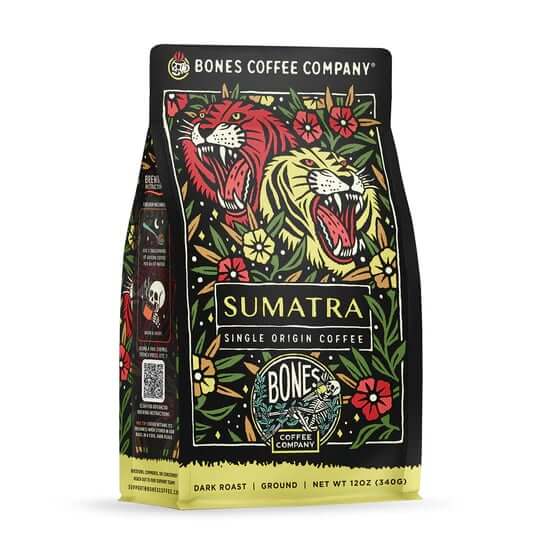  | Sumatra Single-Origin Coffee is a strong option for those who enjoy bold, smooth dark roasts. This coffee features earthy, smoky notes with a dark chocolate finish. ★★★★★ |
How Does the Brewing Method Affect Caffeine Extraction?
If roast level only slightly affects caffeine, the brewing method is what really determines how much caffeine ends up in your cup. In most cases, caffeine depends less on the roast and more on how water interacts with the grounds.
The biggest factors are:c
- Grind size: Finer grounds expose more surface area, which increases extraction.
- Water temperature: Hotter water extracts caffeine faster than cooler water.
- Brewing time: The longer coffee and water stay in contact, the more caffeine is extracted.
- Coffee-to-water ratio: More grounds per cup means more caffeine.
- Drink size: A larger brewed coffee can contain more total caffeine than a small espresso shot.
These variables matter far more than whether you choose light roast or dark roast beans. For example, espresso tastes stronger because it is concentrated, but a full mug of drip coffee often delivers more total caffeine.
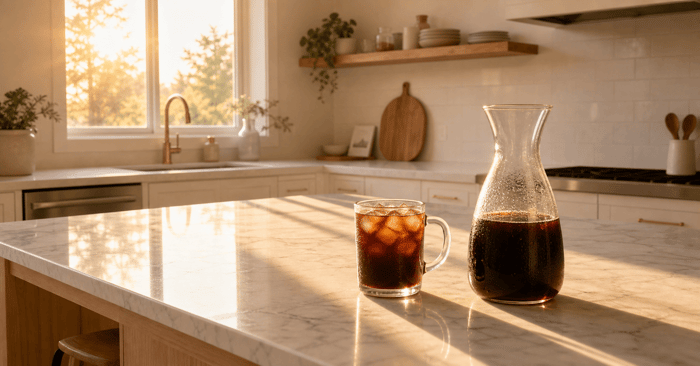
Cold brew is another good example: its long steeping time often results in a beverage with relatively high caffeine levels. Learning how to make cold brew coffee can help you fine-tune both flavor and caffeine strength to match your preferences.
Bean type also matters, since robusta beans naturally contain much more caffeine than arabica beans. Even decaf coffees still retain a small amount of caffeine.
For convenience, single-serve pods offer one major advantage: consistency. They make it easier to brew a predictable cup with a similar amount of caffeine each time.
The bottom line: if you want to change your caffeine intake, adjust your brewing method before changing your roast.
What This Means for Choosing the Right Coffee Roast
Once caffeine is no longer the main factor, choosing a roast becomes much simpler: pick the one that matches your taste.
Your Personal Flavor Preference | The Best Roast Match |
|---|---|
Bold, heavy, smoky flavor, and rich dark chocolate notes | Classic dark roast beans |
Vibrant, fruity, highly acidic, and complex tea-like notes | Delicate light roast coffee beans |
Perfectly balanced, smooth, and moderately heavy body | Traditional medium roast coffee beans |
Wild, dessert-like, unexpectedly sweet, and highly aromatic | Creative flavored roast |
If you love bold, heavy flavors, dark roast coffee is a great choice. If you prefer brighter, more complex notes, a light roast may suit you better. Medium roast coffee offers a balanced middle ground with both sweetness and body.
If caffeine is still your top priority, focus on brewing variables that influence how much caffeine reaches your cup, such as grind size, brew time, and coffee-to-water ratio. Roast level has only a small effect by comparison.
Coffee is ultimately about enjoyment, and every roast offers something different. Coffee provides health benefits and antioxidants across roast levels, giving you another reason to choose a roast based on flavor rather than caffeine alone.
Pro Tip: If maximizing caffeine is your goal, brewing variables generally matter more than roast level. Focus on your brewing method's three levers: a finer grind size, a longer brew time, and a higher coffee-to-water ratio. The bean's color is just a flavor cue, not a caffeine dial. |
Find Your Perfect Dark Roast with Bones Coffee Company
The takeaway is simple: dark roast coffee gives you a bolder flavor, not more caffeine. So choose your roast for taste, not myth.
Bones Coffee Company makes choosing coffee fun, not ordinary. With more than 30 unique options across light, medium, flavored, and dark roast coffee, there’s something for every taste and brewing style.
From rich, traditional dark roasts to creative flavor-infused beans, every cup is crafted to deliver a memorable coffee experience. Whether you're refining your daily brew or searching for something new, there's plenty to explore.