Does mushroom coffee have caffeine? Yes, most versions do.
The caffeine content is lower than that of a regular coffee cup, which may produce a steady energy experience for some drinkers.
This guide explains what affects those levels, how mushroom coffee compares with decaf coffee, and who might find it worth trying as part of a morning routine.
Why Most Mushroom Coffee Contains Caffeine?
Mushroom coffee is real coffee blended with mushroom extracts. The coffee component provides the stimulation. Mushrooms modify the formula by contributing their own compounds, but they do not eliminate the stimulant source.
Functional mushrooms like lion's mane, chaga, turkey tail, cordyceps, and maitake are extracted into a fine powder. This instant powder is then mixed with ground coffee beans or instant packets.
Medicinal mushrooms have been used in traditional practices, including Chinese medicine, and are often associated with overall wellness. Today, they join your daily habit to deliver the benefits of mushrooms alongside your everyday dose of energy.
Mushroom Drinks Made Without Coffee Beans
Not everything with “mushroom” on the packaging contains coffee beans. Some items are sold as mushroom drinks or elixirs that do not contain caffeine.
These can be stimulant-free depending on the formula. The terms "mushroom coffee" and "mushroom drink" are not interchangeable, even when they appear side by side on the same grocery shelf.
If the caffeine content matters to you, reading the ingredient list remains mandatory. Some wellness blends infused with medicinal mushrooms skip the coffee beans to create a safe, stimulant-free beverage.
These alternatives feature organic chaga mushrooms or Ganoderma lucidum combined with adaptogens to support immune function. Green tea extract might appear as a secondary source in some formulas.
If you prefer avoiding stimulants to protect your sleep, these pure mushroom elixirs offer an excellent solution. They may still provide B vitamins, polyphenols, and other nutrients without the caffeine found in coffee-based versions.
Here is what to look for when scanning a label for stimulants. If none of these appear, the product is likely free of stimulants.
- Coffee extract or instant coffee is the primary stimulant source in most formulas
- Green tea or green tea extract is a secondary energy source that shows up in some drink formulas
- Any listed energy ingredient worth investigating
When in doubt, flip the bag over. Knowing your ingredients ensures you make the best choice for your health.
How Much Caffeine Is in Mushroom Coffee?
ratio, and how you prepare the beverage all shape the final number.
A standard serving contains less caffeine than regular brewed coffee, which helps manage stress and anxiety.
A lower stimulant profile might benefit your system while providing enough lift to keep you alert. The energy feels steady, helping you maintain focus without an afternoon crash.
There is a pattern worth knowing: mushroom coffee made with a standard drip machine tends to land below a classic mug but above decaffeinated options. Here is a practical breakdown of what your mug provides.
Beverage Type | Caffeine Range (mg/serving) | Energy Feel | Best Fit |
|---|---|---|---|
Regular brewed coffee | 80-120 mg | Strong, sharp | High-energy needs |
Mushroom coffee (coffee-based) | 40-80 mg | Moderate, steady | Lighter lift seekers |
Decaffeinated coffee | 2-15 mg | Minimal | Ritual without the buzz |
Mushroom drink (no coffee base) | 0 mg | None | Caffeine-free preference |
These figures reflect broader patterns across the category. Your specific product may land anywhere within those ranges.
This variability is why the label deserves a closer look than most people give it. Checking the exact amounts prevents you from consuming more stimulants than desired.
Key Insight: Mushroom coffee typically delivers 40-80 mg of caffeine, lower than regular black coffee but significantly more than decaf, making it a moderate option for those who want a lighter lift. |
What Affects the Caffeine Content in Mushroom Coffee?
Three key variables determine the final amount: coffee-to-mushroom ratio, type of coffee used, and serving size. Understanding each factor makes you a better label reader when shopping for organic products featuring common medicinal mushrooms.
Before diving in, keep this checklist in mind when evaluating any product. Asking these questions ensures you find a match for your lifestyle.
- Is a coffee source listed in the ingredients?
- Does the label specify a portion size?
- Are milligrams per serving disclosed on the nutrition or supplement facts panel?
- Is the product marketed as low-stimulant?
Coffee-to-Mushroom Ratio
The ratio in the formula represents a significant driver of stimulant output. A product with a higher proportion of coffee will usually contain more caffeine.
A formula heavier in mushroom content may lower the totals; however, it might not be as much as you expect. Here is the catch: marketing language does not map to these levels.
Words like "mild," "balanced," or "gentle energy" on the front of the pack serve as positioning terms, not milligram disclosures. A product marketed as smooth could still deliver a solid kick.
Look for the exact ratio or the number on the label, rather than relying on adjectives. Some coffees balance dark roast flavors with earthy and nutty notes from lion's mane, reishi, and chaga mixes.
The mushroom coffee taste can benefit from this kind of careful ratio balancing. Achieving the right texture and flavor requires precise ingredient management to maximize potential health benefits. For more information, see our comprehensive guide on the benefits of mushroom coffee.
Type of Coffee Used
Not all bean bases carry equal weight. Instant coffee, brewed concentrate, espresso-based powder, and different bean varieties each carry different stimulant levels, even at the same portion size.
Some formulas use a concentrated base, which shifts the total stimulation even when the ratio looks similar on paper. Before buying, run through a few critical questions.
- What is the source listed? (instant, extract, ground coffee)
- How much extract is specified per cup?
- Is the base roast disclosed anywhere on the label?
- Does the manufacturer disclose testing or provide details about its ingredients and formulation?
If the label lacks clear answers, many brands disclose milligrams per serving on their websites. Finding a transparent brand ensures you know what goes into your morning mug.
Taking a moment to research saves you from unwanted health issues down the road. Knowing what is in your coffee can help you make a more informed choice.
Serving Size
The formula matters, but what you do with it plays a major role. A larger scoop, a double scoop, or a stronger brew can push caffeine intake far beyond what the label indicates.
Concentrated mixes and convenience formats deliver more milligrams per cup if you ignore the recommended portion size. That per-cup number on the label assumes you use the suggested amount of powder and hot water.
It does not account for the heaping tablespoon your morning brain reaches for on autopilot. When testing a new product, start with one cup and see how your body responds.
This strategy represents a smarter approach than going in heavy and wondering why you feel jitters or stress. Controlling your intake maintains positive energy throughout the day.
Following the recommended brewing instructions can help you avoid making the drink stronger than intended.
Is Mushroom Coffee a Good Fit for You?
The honest answer is that it depends on your tolerance. Mushroom coffee may be a better fit than traditional coffee for some drinkers with lower caffeine tolerance because it often contains less caffeine.
However, having a lower caffeine content does not mean the level is low enough for everyone. Certain blends using lion's mane land closer to a standard cup than their branding suggests.
If stimulant sensitivity is a concern, the ingredient list becomes your primary defense. Check the milligram-per-cup figure before committing to a new brand.
Start with one cup and pay attention to how you feel after drinking. That personal experience provides better data than any front-of-pack health claims.
For readers with sensitivity, decaffeinated drinks remain a safer starting point. This holds if the typical range still feels like more than your system wants.
Mushroom coffee is not the right fit for everyone. Review these points to see whether it aligns with your preferences and health needs.
- Good fit: you desire a lighter energy lift without abandoning your everyday routine
- Good fit: full-strength brew leaves you feeling overstimulated or triggers a crash
- May not be ideal: you experience adverse reactions to even moderate stimulant levels
- May not be ideal: you expect a stimulant-free product without checking the label first
No guaranteed outcomes exist when trying new beverages. It remains about knowing your personal tolerance and making informed choices based on what sits in the cup.
Warning/Important: For caffeine-sensitive drinkers, mushroom coffee isn't always low-caffeine. Always verify the caffeine per serving on the label before brewing, as some products still pack a notable dose. |
Find the Perfect Mushroom Coffee for You
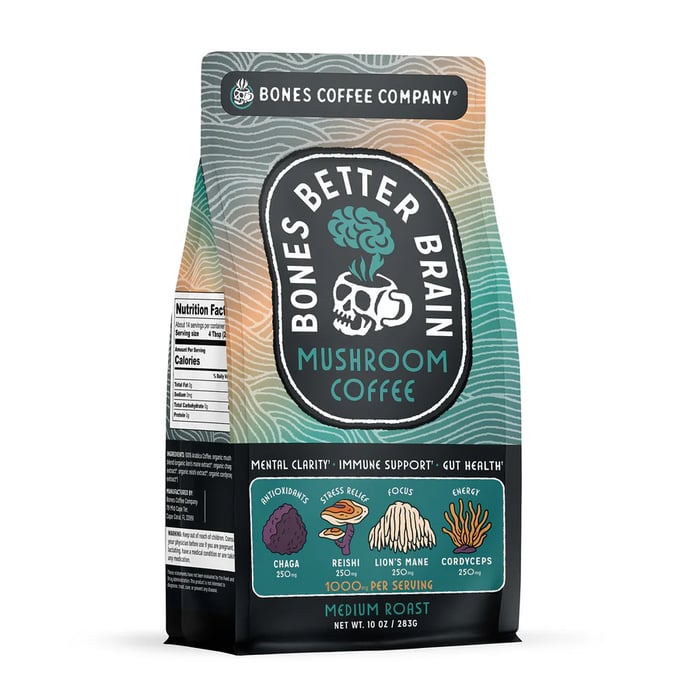
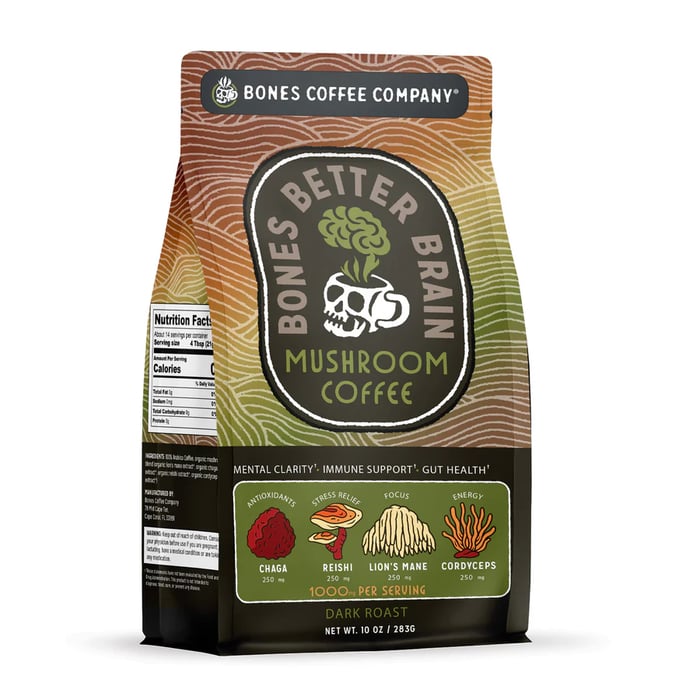
Mushroom coffee might not be your preferred choice, and that is fine. If you want a beverage that does not taste like every other cup of coffee you drank this week, Bones Coffee Company offers an exciting alternative.
Bones caters to people who refuse to settle for boring routines. With over thirty flavored coffees, there are endless ways to make your morning mug worth waking up for.
You get all the robust flavor without any added sugar or unnecessary calories. That kind of trade-off makes your daily cup something to celebrate.
If you feel unsure where to start, sampler packs let you test multiple flavors before committing to a full bag. This low-risk approach delivers great rewards for your taste buds.